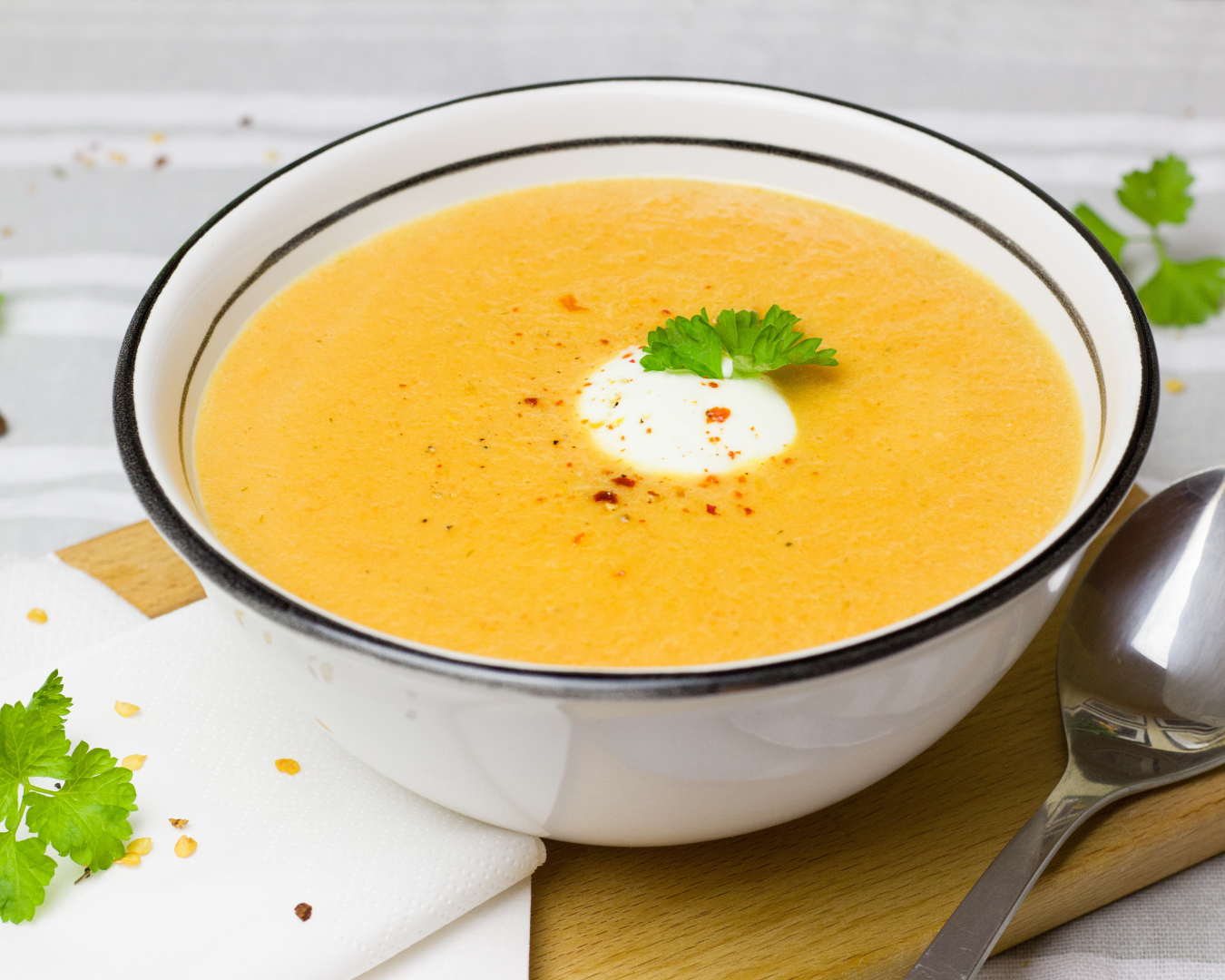
Bright, warming, and full of flavor, this Carrot Lemon Ginger Soup is the perfect blend of sweet, spicy, and citrusy. It’s a simple, wholesome recipe that’s as comforting as it is refreshing — ideal for any season.
Ingredients
2 Tbs grass-fed butter
6 cups chopped carrots
2 yellow onions chopped
2 lemon thyme sprigs (or regular thyme)
4 cups homemade broth
1.5 cups filtered water
2 tsp freshly grated ginger
fresh lemon juice to taste
yogurt or sour cream to garnish if lactose isn’t an issue salt
Carrot Lemon Ginger SoupDirections
Add butter to large pot. saute onions until soft
Add carrots for 5 mins
Add broth and water and bring to boil
Let simmer for 30mins
Add ginger and stir
Let cool and transfer to blender (or use immersion blender)
Add salt and lemon juice to taste
Garnish with yogurt or sour cream if desired
Variation: Use cilantro instead of lemon and ginger. Add a large handful to the soup before blending.
Thousands of years ago, when Traditional Chinese Medicine (TCM) began, people were living closer to nature and were more in tune with the changes of the seasons. They aligned the different seasons with the five elements: Fire, Earth, Wood, Metal and Water; which are mimicked within us.
The winter season is related to the Water element that is our sources of life; blood, lymph, saliva, perspiration & tears. If not in balance, this will disrupt our body functions. According to the ancient texts, ‘In hibernation, animals go deep into themselves to conserve their essence until the spring, a good model to follow.’
The organs associated with the water element are the kidneys (adrenals), and the bladder. The ancients believed that the kidneys are “like the officials who do energetic work, and they excel through their ability and cleverness.” They are the Storehouse of the Vital Essence, which is the Life Force and is associated with the energy we receive from our ancestry. The bladder was considered an Official in charge of eliminating fluid waste. This is essential for detoxification and adaptability.
Winter is a time to nourish your deep reservoirs through meditative time, slowing down and getting lots of rest (like bears hibernating). Keeping journals, catching up on reading, and tapping into dreams and sentimental journeys bodes well during these winter months.
Foods that warm and nourish. The water element foods such as fish, black beans, aduki beans, lentils, root vegetables, miso, warming soups (with ginger and garlic), seaweeds, porridges, mushrooms, nuts, sesame seeds, chestnuts, dark leafy greens and warming stews and soups. The body part associated with the water element is the bones, so it is a good time to delve into the art of bone broth making. This will provide essential nutrients your body especially needs at this time.
Include beef and lamb, especially with their warming and nourishing qualities. Also include fermented foods like sauerkraut or kimchi, to supply healthy bacteria to the gut and help with digestion.
Reduce chilled and raw foods as well as cold drinks to help maintain a strong yang force within.
When engaging in outdoor sports, dress appropriately. Avoid stripping down while sweating to avoid a chill while your pores are open. There are also many ways to exercise indoors during inclement weather.
Acupuncture and herbal medicine can be extremely helpful in improving your immune system and dealing with the stresses and health challenges of the winter months. Adding cod liver oil to your diet boosts vitamin D and A levels to compensate for reduced sunlight.
Protecting our reserves. During this party season, late nights combined with excess sugar and alcohol can disrupt our “hibernation time.” So have fun, take it easy, and be sensible.
Welcome the New Year with good health and happiness.
Dr. Shelley Lane, OMD, L.Ac. NTP, started practicing acupuncture in the Santa Barbara area in 1984 and later became certified as a Nutritional Therapy Practitioner and a Bio Individual Nutrition Practitioner. She now sees patients at the Serenity Day Spa, Atherton, and Infinite Body Health in Belmont. In addition to acupuncture she will evaluate your current nutritional needs, develop goals, provide recipes and a plan just for you. Learn how you can eat nourishing foods tailored to your specific needs.
shelleylaneomd@gmail.com www.purefoodsdoctor.com To book an appointment: Infinite Body Health: 650-622-9050
Acupuncturists, naturopaths, and functional doctors focus on the prevention of disease: How to stay healthy by focusing on nutrition, physical activity, mental and emotional well-being, and spiritual growth.
In this article, the focus is on the essential minerals of nutrition. In the context of nutrition, a mineral is a chemical element required as an essential nutrient by organisms to perform functions necessary for life.
Your body uses minerals for many different jobs, including keeping your bones, muscles, heart, and brain working properly. They are also necessary for making enzymes and hormones.
The four major structural elements that make up 96% of the weight of the human body are oxygen, hydrogen, carbon, and nitrogen. The remaining 4% are composed of major minerals or macro minerals and micro minerals or trace elements.
You get your necessary major minerals and micro minerals from eating plants and animals and from drinking water. That’s why it is crucial to eat organic, both plants and animals, and drink filtered water.
If you are eating plants from pesticide sprayed, nutrient-depleted soil, and eating animals that are laden with hormones, antibiotics, and other harmful fillers, you are weakening your body, making it more susceptible to dis/ease.
It’s true, organic fruits, vegetables, and meats are more expensive, but think of the value added to your life – the elimination of suffering and future doctor bills – and try to economize elsewhere.
Macro minerals are Calcium, Phosphorous, Potassium, Magnesium, Sulfur, Sodium, and Chloride.
Calcium. Almost all calcium is stored in bones and teeth to help make and keep them strong. Your body needs calcium to help muscles and blood vessels contract and expand, and to send messages through the nervous system. Calcium is also used to help release hormones and enzymes that affect almost every function in the human body.
Some foods high in calcium: kelp, cheddar cheese, collards, kale, turnip greens, almonds, sesame seeds, yogurt, apricots, Brewers yeast, parsley, dandelion greens, and Brazil nuts.
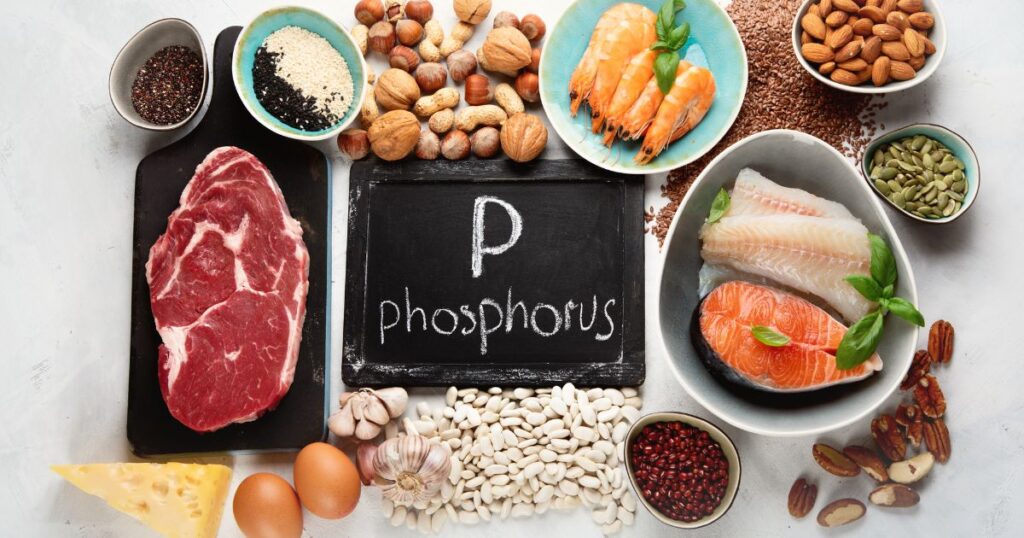
Phosphorous. It helps keep your bones healthy. It also helps keep blood vessels and muscles working. Phosphorous is found naturally in foods rich in protein, such as meat, poultry, fish, nuts, beans, and dairy products.
Potassium. It is a mineral that your cells, nerves, and muscles need to function properly. It helps your body regulate your blood pressure, heart rhythm, and the water content in cells. It also helps with digestion.
Some foods high in potassium: avocados, apricots, salmon, chicken, asparagus, carrots, lima beans, potatoes, tomatoes, bananas, and peaches.
Magnesium. It helps your body regulate muscle and nerve function, blood sugar levels, and blood pressure. Magnesium also helps your body make protein, bone, and DNA.
Some foods high in magnesium: almonds, cashews, brown rice, kelp, Brewers yeast, Brazil nuts, and molasses.
Sulfur. After calcium and phosphorus, sulfur is the most abundant mineral element found in your body. Your body needs sulfur to build and fix your DNA and protect your cells from damage that can lead to serious diseases such ascancer. Sulfur also assists your body to metabolize food and contributes to the health of your skin, tendons, and ligaments.
Sulfur is derived almost exclusively from proteins. The biggest categories include meat and poultry, especially beef, ham, chicken, pork, duck, turkey, and organ meats like heart and liver. It is also found in fish and seafood, most abundantly in shrimp, scallops, mussels, and prawns. It is also found in garlic.
Sodium. Sodium helps with the function of nerves and muscles, and it also helps to keep the right balance of fluids in your body.
Chloride. Chloride carries an electric charge and therefore is also classified as an electrolyte, along with sodium and potassium.
Salt is the main dietary source for both sodium and chloride. However, table salt, or refined salt, lacks trace minerals and contains added chemical ingredients. Unprocessed salts, like Celtic Salt, Himalayan Salt, Baja Gold, and others have not been altered and have a balanced array of minerals. The fear of “too much salt” comes from sodium-rich processed foods and refined salt. Whole salt products are safe and needed by the body.
Micro Minerals or Trace Elements
Trace minerals are so named because your body needs only a tiny amount of each one. That doesn’t mean that they don’t matter. Some important micro minerals are: chromium, copper, boron, iodine, iron, manganese, molybdenum, selenium, and zinc.
Chromium – Broccoli, liver, and brewer’s yeast. Potatoes, whole grains, seafood, and meats also contain chromium.
Copper – Oysters and other shellfish, whole grains, beans, nuts, potatoes, and organ meats (kidneys, liver) are good sources of copper. Dark leafy greens, and dried fruits such as prunes, cocoa, black pepper, and yeast are also sources of copper in the diet.
Boron – Coffee, milk, apples, dried and cooked beans, and potatoes.
Zinc – Oysters, pumpkin seeds, pecans, red meat, poultry, beans, crab, lobster, whole grains, breakfast cereals, and dairy products.
The takeaway message is to eliminate processed foods and focus on eating a variety of fresh, whole foods that nature provides. If you are surely deficient in certain minerals, supplementation may be necessary, but it’s not optimal. A good practitioner can guide you in creating a healthful plan of eating whole foods that is manageable.
Acupuncture in Belmont – Your body is like land with a series of streams running through it. In Traditional Chinese Medicine theory (diagnosis, acupuncture, herbs, moxibustion, cupping) these streams are represented as channels of energy called meridians.
You can’t see energy, but you certainly can feel it. When you’re feeling good, you say you have “high energy,” and when you’re under the weather, you say your energy is “low.”
When a beaver builds a dam in a stream, the water flow is blocked or diverted. It’s the same with your channels of energy. Your energy can be blocked because your organs aren’t functioning at optimum levels.
Acupuncture is a method of encouraging your body to heal itself by correcting the imbalances of energy (qi or chi) in your meridian system. Your acupuncturist facilities this healing by inserting needles in certain key locations along your meridians.
Dr. Andrew Weil, an integrative medical doctor, says the benefits of acupuncture can extend to a wide variety of conditions, from emotional disorders (anxiety, depression) to digestive complaints (nausea, vomiting, irritable bowel syndrome). It’s also useful for pain syndromes due to an injury or associated with chronic degenerative diseases such as rheumatoid arthritis.
Acupuncture is also helpful in treating neurological problems like migraines or Parkinson’s disease, or as a rehabilitation strategy for individuals who suffered a stroke. Respiratory conditions, including sinusitis and asthma have been relieved with acupuncture, as have many gynecologic disorders and infertility. Acupuncture has also proved beneficial for reducing fatigue and addictions, and for promoting overall well-being.
An acupuncturist, L.Ac., with a three-to-four-year schooling, is licensed upon completion of an exam administered by The Board of Medical Quality Assurance in California. An oriental medicine doctor, O.M.D., has obtained advanced training.
The elite athletes in the National Basketball Association have been using acupuncture for decades to protect their bodies and maximize their effectiveness on the court. These athletes use acupuncture for relieving pain, loosening muscles, and reducing swelling.
In “USA Today Sports” (Dec. 30, 2017, Alex Kennedy) Shaquille O’Neal, famously of the Los Angeles Lakers, first tried acupuncture in 2002 when his big toe started acting up before the playoffs. With his healed toe from acupuncture, Shaq led his team that year to their third straight championship. Shaq said, “I’ve always been a connoisseur of ancient medicine.”
Using acupuncture for digestive problems works by reducing inflammation of the stomach, along with its related organs, the small and large intestine, and the pancreas. Acupuncture also releases and stimulates enzyme and hormone production in these organs.
After a thorough medical history, your acupuncturist will explore all factors leading up to the onset of your issues, to discover root causes of your body’s disfunction.
In addition to needling, your acupuncturist may prescribe Chinese herbs, supplements, and stress reduction techniques. Your acupuncturist may integrate food recommendations into your health program, which will be beneficial in the treatment of gastrointestinal problems.
Your acupuncturist may use moxibustion – a technique of applying warm mugwort to acupuncture points – while you lie in a state of complete relaxation during your treatment. This herb is used as an anti-inflammatory agent and to correct imbalances.
Cupping is another technique used in Tradition Chinese Medicine in which your acupuncturist puts special cups on your skin for a few minutes to create suction. This technique helps reduce pain and inflammation, while it increases blood flow and relaxation.
Traditional Chinese Medicine can help resolve:
Ulcers
Constipation/Diarrhea
Indigestion
Food sensitivities
Inflammatory bowel conditions
Bloating/Distention/Burping
Lack of appetite/Excess hunger
General Gastritis
You will be amazed at how well you body responds to proper nutrition with energy guidance. Try it out for yourself and get back to enjoying your meals!