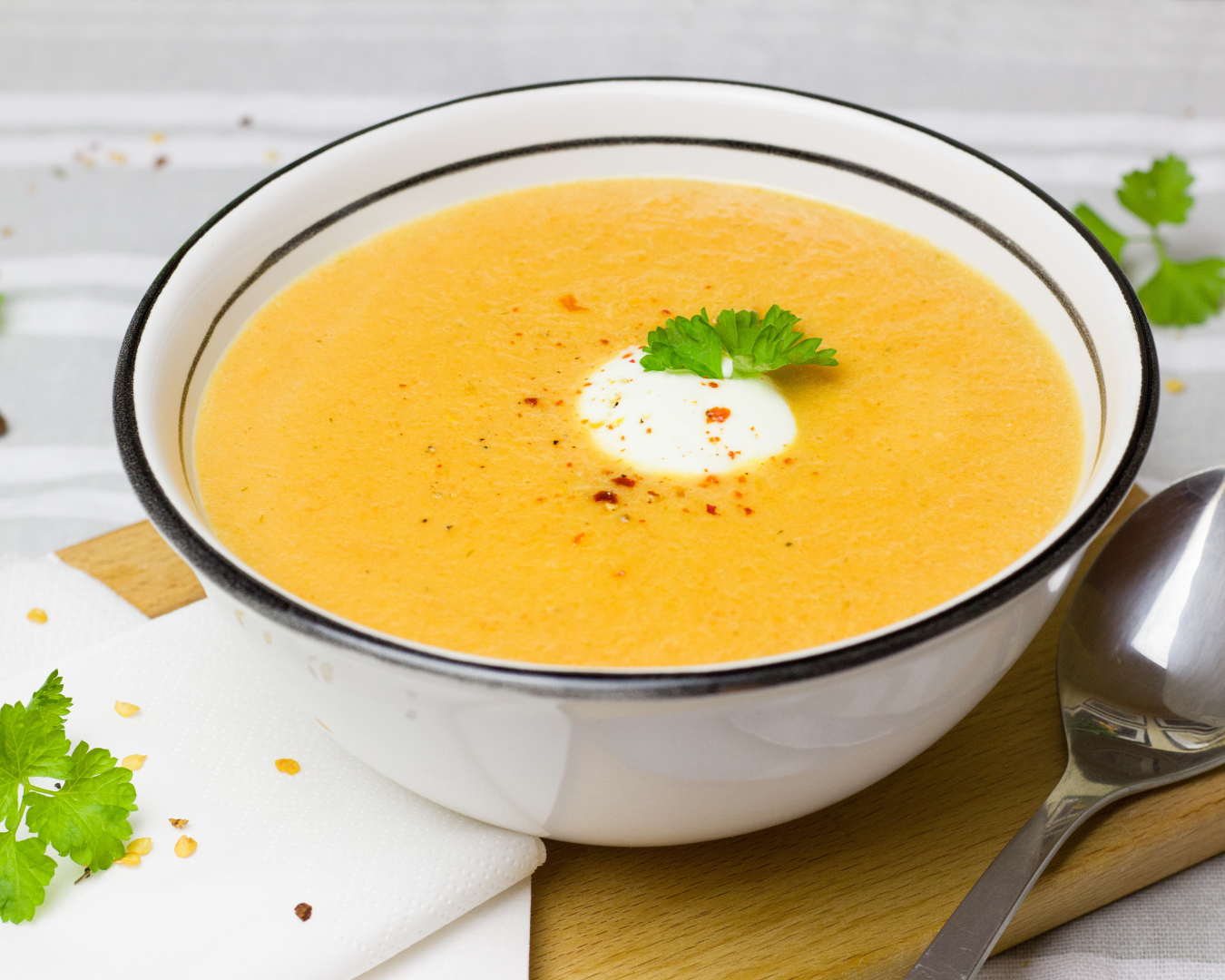
Bright, warming, and full of flavor, this Carrot Lemon Ginger Soup is the perfect blend of sweet, spicy, and citrusy. It’s a simple, wholesome recipe that’s as comforting as it is refreshing — ideal for any season.
Ingredients
2 Tbs grass-fed butter
6 cups chopped carrots
2 yellow onions chopped
2 lemon thyme sprigs (or regular thyme)
4 cups homemade broth
1.5 cups filtered water
2 tsp freshly grated ginger
fresh lemon juice to taste
yogurt or sour cream to garnish if lactose isn’t an issue salt
Carrot Lemon Ginger SoupDirections
Add butter to large pot. saute onions until soft
Add carrots for 5 mins
Add broth and water and bring to boil
Let simmer for 30mins
Add ginger and stir
Let cool and transfer to blender (or use immersion blender)
Add salt and lemon juice to taste
Garnish with yogurt or sour cream if desired
Variation: Use cilantro instead of lemon and ginger. Add a large handful to the soup before blending.
Thousands of years ago, when Traditional Chinese Medicine (TCM) began, people were living closer to nature and were more in tune with the changes of the seasons. They aligned the different seasons with the five elements: Fire, Earth, Wood, Metal and Water; which are mimicked within us.
The winter season is related to the Water element that is our sources of life; blood, lymph, saliva, perspiration & tears. If not in balance, this will disrupt our body functions. According to the ancient texts, ‘In hibernation, animals go deep into themselves to conserve their essence until the spring, a good model to follow.’
The organs associated with the water element are the kidneys (adrenals), and the bladder. The ancients believed that the kidneys are “like the officials who do energetic work, and they excel through their ability and cleverness.” They are the Storehouse of the Vital Essence, which is the Life Force and is associated with the energy we receive from our ancestry. The bladder was considered an Official in charge of eliminating fluid waste. This is essential for detoxification and adaptability.
Winter is a time to nourish your deep reservoirs through meditative time, slowing down and getting lots of rest (like bears hibernating). Keeping journals, catching up on reading, and tapping into dreams and sentimental journeys bodes well during these winter months.
Foods that warm and nourish. The water element foods such as fish, black beans, aduki beans, lentils, root vegetables, miso, warming soups (with ginger and garlic), seaweeds, porridges, mushrooms, nuts, sesame seeds, chestnuts, dark leafy greens and warming stews and soups. The body part associated with the water element is the bones, so it is a good time to delve into the art of bone broth making. This will provide essential nutrients your body especially needs at this time.
Include beef and lamb, especially with their warming and nourishing qualities. Also include fermented foods like sauerkraut or kimchi, to supply healthy bacteria to the gut and help with digestion.
Reduce chilled and raw foods as well as cold drinks to help maintain a strong yang force within.
When engaging in outdoor sports, dress appropriately. Avoid stripping down while sweating to avoid a chill while your pores are open. There are also many ways to exercise indoors during inclement weather.
Acupuncture and herbal medicine can be extremely helpful in improving your immune system and dealing with the stresses and health challenges of the winter months. Adding cod liver oil to your diet boosts vitamin D and A levels to compensate for reduced sunlight.
Protecting our reserves. During this party season, late nights combined with excess sugar and alcohol can disrupt our “hibernation time.” So have fun, take it easy, and be sensible.
Welcome the New Year with good health and happiness.
Dr. Shelley Lane, OMD, L.Ac. NTP, started practicing acupuncture in the Santa Barbara area in 1984 and later became certified as a Nutritional Therapy Practitioner and a Bio Individual Nutrition Practitioner. She now sees patients at the Serenity Day Spa, Atherton, and Infinite Body Health in Belmont. In addition to acupuncture she will evaluate your current nutritional needs, develop goals, provide recipes and a plan just for you. Learn how you can eat nourishing foods tailored to your specific needs.
shelleylaneomd@gmail.com www.purefoodsdoctor.com To book an appointment: Infinite Body Health: 650-622-9050
In my childhood, I remember seeing radishes when we ate in restaurants. They were solely used for decoration on iceberg lettuce, adding color to the green salad, pushed aside like a broken toy.
But since becoming a nutritional therapist and acupuncturist, I honed in on the nutritional value of food, and have developed a special taste for Raphanus sativa, radish, an edible root vegetable with a taste ranging from mild and sweet to pungent, spicy and peppery. The word radish comes from the Latin, “radix,” for root. In Asian markets radishes are also known as “daikon.”
Now, I eat a few raw radishes as snacks, or enjoy them thinly sliced with cheese on crackers.
A cousin to cabbage, radishes are from the Brassicaceae family. They come in a variety of sizes, from half the size of a golf ball to up to 100 pounds. Shapes are round, tapering, and cylindrical. Colors range from the red, round ones with white interiors we’re most familiar with that proliferate in spring, to others, dark grey/black, purple, two-tone green, yellow, pink, and white.
We can trace the radish back to 2,700 B.C. to Egyptian historical records, where before the discovery of olive oil, Egyptians used radish oil in their diet. Greeks so highly regarded this root they paid homage to it with golden replicas. The Romans preserved the radish by using a paste made of honey, vinegar and salt. Eventually its usage spread throughout Europe, and by 1629 radishes were grown in Massachusetts.
Currently, radishes make up roughly two percent of the world’s vegetable production; about seven million tons are produced each year. Americans consume 400 million pounds.
A radish carving competition has been held in Oaxaca, Mexico every year since 1897. In Japan, daikon is one of the plants that make up the Japanese Festival of Seven Herbs on the seventh day after the new year.
Nutritional Benefitsof a Radish
Source of vitamin C. This vitamin helps fight diseases by rescuing healthy cells from an onslaught of free radicals, which contribute to the causation of chronic health problems such as cardiovascular and inflammatory disease, cataracts, and cancer.
Provides Fiber. Fiber keeps your system flushed and functioning with regularity and aids in maintaining a healthy weight. Radish is a low-carbohydrate, non-starchy vegetable.
A Natural Diuretic. Radishes purify the kidney and urinary system and relieve inflammation.
Contains Detoxifying Agents. Phyto-chemical indoles and compound sulforaphane may potentially fight cancer.
Provides Minerals and Vitamins. Minerals include potassium, calcium, sodium, iron, magnesium, phosphorus, and zinc. The vitamins are B vitamins (thiamin, niacin, riboflavin, folate, and vitamin B6), vitamin A, and vitamin K.
Mostly Composed of Water. They are a great natural agent to keep your body hydrated.
Types of Radishes
Black Spanish – Very round with coal-black skins and pure white flesh.
Cherry Belle – One-half the size of golf balls. Round, red with white flesh.
China Rose – One of the oldest types, very hardy. Roots up to 5 inches in length. Rose color. Easy to grow, does beat in mild climates.
Chinese Green Luobo – Also called Qinluobo. Heirloom variety. Lime-green skin, lime-green flesh.
Chinese Red Meat – Whitish-green skin, red flesh. Gets up to 4 inches in diameter. Crispy, sweet taste.
Crimson Giant – Globe-shaped, average diameter of 1.5 inches, can average over 6 inches in height. Bright red. Mild, crispy taste. Mature in roughly 30 days.
Daikon Long White – Can get up to 18 inches in length, 3 inches in diameter. Although usually cooked, Daikon is also excellent eaten raw and in salads.
De 18 Jours – Round to cylindrical. Red with white tips. Juicy taste with crisp texture. Easy to grow in most locations. Mature in roughly 18 days.
Early Scarlet Gold – Round-shape. Red skin, white flesh. Tender and juicy flavor. Heirloom variety.
Easter Egg – A Variety of colors including pink, red, white, and purple. Looks and tastes best when cut very thin.
Fire and Ice – Oblong-shaped. Bright red top half and white bottom half. Sweet, mild with delicate flavor and texture.
French Breakfast – Oblong-shaped. Red with white tip. From mild to pungent flavor. Extra-crunchy texture.
French Dressing – Long and wide, roughly 2 inches in length and ¾ inch wide. Red with white tip, pure white flesh. Zesty, peppery taste. Harvested in roughly 24 days.
German Giant – Cylindrical, somewhat oblong. Bright-red skin, snow-white flesh. Can get up to 14 inches in length. Slightly pungent flavor. Looks similar to carrot.
Giant of Sicily – Can get up to 2 inches in diameter. Bright-red color. Heirloom variety from Italy. Easy to grow, matures early.
Green Meat – Also called Misato Green. Green both outside and inside. Mild flesh but skin has uniquely spicy taste.
Horseradish – Although not generally known, horseradish is a type of radish. Pungent but without the bitter aftertaste of horseradish bought in a jar. Harvested in the fall, can be stored all winter long. It can spice up stews and meat dishes.
Malaga – Very round roots. Deep purple color, white flesh. Firm, crisp texture. Flavorful. Easy to grow. Mature in roughly 35 days.
Perfecto – Bright-red skin, white flesh. Crisp, range from sweet, and mild to sharp, peppery taste. Matures in roughly 30 days.
Philadelphia White Box – Heirloom variety. Dates back to late 1800s. Beige skin, white flesh. Reaches the size of golf balls. Mild taste, crisp texture. Matures in roughly 30 days.
Pink Beauty – Fairly rare. Rose-pink skin. Crispy texture, sweet taste. Matures in less than 30 days.
Purple Plum – Reaches 1.5 inches in diameter. Deep-purple skin, white flesh. Matures in roughly 28 days.
Red Emperor Hybrid – Bright-red skin, bright-white flesh. Crispy texture, mild, slightly peppery taste. Matures in roughly 30 days.
Sakurajima Mammoth – One of the biggest varieties. Could get up to 100 pounds. Sweet, mild taste.
Saxa 2 – European variety. Smooth, round shape. Bright red. Crispy texture. Matures in just 18 days.
Sichuan Red Beauty – Long, slender. Red inside and out. Perfect for salads and pickling. Sweet taste. Easy to grow especially in cool climates.
Singara Rat’s Tail – Instead of edible root, this radish has bean-like seed pods, which are edible. Delicacy in places like India. Can get up to 14 inches in length. Easy to grow.
Sparkler – Round. Red with white tip. White flesh.
Summer Cross Hybrid – Looks like long carrot. Gets up to 12 inches in length. White outside and inside. Asian variety. Crispy texture, mild taste. Matures in roughly 45 days.
Acupuncturists, naturopaths, and functional doctors focus on the prevention of disease: How to stay healthy by focusing on nutrition, physical activity, mental and emotional well-being, and spiritual growth.
In this article, the focus is on the essential minerals of nutrition. In the context of nutrition, a mineral is a chemical element required as an essential nutrient by organisms to perform functions necessary for life.
Your body uses minerals for many different jobs, including keeping your bones, muscles, heart, and brain working properly. They are also necessary for making enzymes and hormones.
The four major structural elements that make up 96% of the weight of the human body are oxygen, hydrogen, carbon, and nitrogen. The remaining 4% are composed of major minerals or macro minerals and micro minerals or trace elements.
You get your necessary major minerals and micro minerals from eating plants and animals and from drinking water. That’s why it is crucial to eat organic, both plants and animals, and drink filtered water.
If you are eating plants from pesticide sprayed, nutrient-depleted soil, and eating animals that are laden with hormones, antibiotics, and other harmful fillers, you are weakening your body, making it more susceptible to dis/ease.
It’s true, organic fruits, vegetables, and meats are more expensive, but think of the value added to your life – the elimination of suffering and future doctor bills – and try to economize elsewhere.
Macro minerals are Calcium, Phosphorous, Potassium, Magnesium, Sulfur, Sodium, and Chloride.
Calcium. Almost all calcium is stored in bones and teeth to help make and keep them strong. Your body needs calcium to help muscles and blood vessels contract and expand, and to send messages through the nervous system. Calcium is also used to help release hormones and enzymes that affect almost every function in the human body.
Some foods high in calcium: kelp, cheddar cheese, collards, kale, turnip greens, almonds, sesame seeds, yogurt, apricots, Brewers yeast, parsley, dandelion greens, and Brazil nuts.
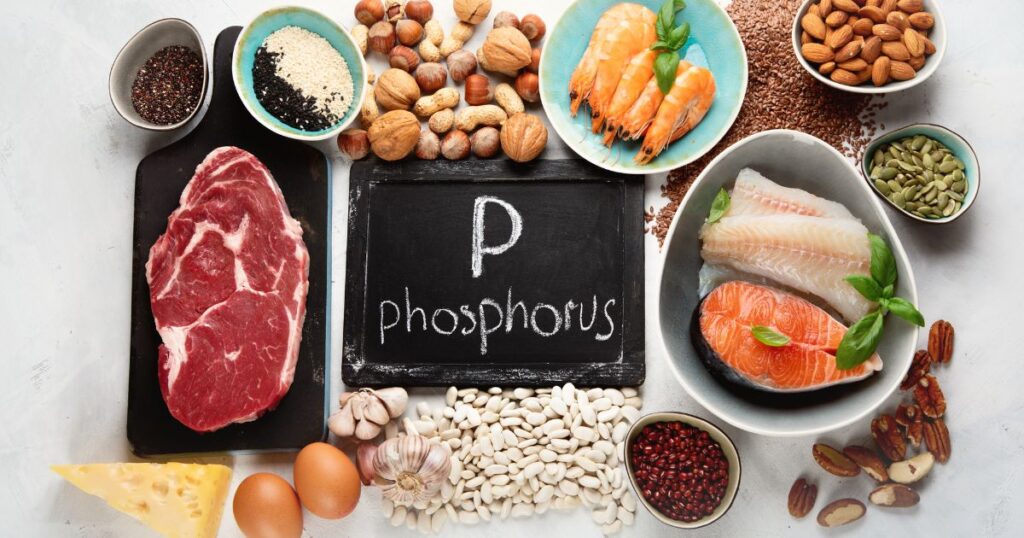
Phosphorous. It helps keep your bones healthy. It also helps keep blood vessels and muscles working. Phosphorous is found naturally in foods rich in protein, such as meat, poultry, fish, nuts, beans, and dairy products.
Potassium. It is a mineral that your cells, nerves, and muscles need to function properly. It helps your body regulate your blood pressure, heart rhythm, and the water content in cells. It also helps with digestion.
Some foods high in potassium: avocados, apricots, salmon, chicken, asparagus, carrots, lima beans, potatoes, tomatoes, bananas, and peaches.
Magnesium. It helps your body regulate muscle and nerve function, blood sugar levels, and blood pressure. Magnesium also helps your body make protein, bone, and DNA.
Some foods high in magnesium: almonds, cashews, brown rice, kelp, Brewers yeast, Brazil nuts, and molasses.
Sulfur. After calcium and phosphorus, sulfur is the most abundant mineral element found in your body. Your body needs sulfur to build and fix your DNA and protect your cells from damage that can lead to serious diseases such ascancer. Sulfur also assists your body to metabolize food and contributes to the health of your skin, tendons, and ligaments.
Sulfur is derived almost exclusively from proteins. The biggest categories include meat and poultry, especially beef, ham, chicken, pork, duck, turkey, and organ meats like heart and liver. It is also found in fish and seafood, most abundantly in shrimp, scallops, mussels, and prawns. It is also found in garlic.
Sodium. Sodium helps with the function of nerves and muscles, and it also helps to keep the right balance of fluids in your body.
Chloride. Chloride carries an electric charge and therefore is also classified as an electrolyte, along with sodium and potassium.
Salt is the main dietary source for both sodium and chloride. However, table salt, or refined salt, lacks trace minerals and contains added chemical ingredients. Unprocessed salts, like Celtic Salt, Himalayan Salt, Baja Gold, and others have not been altered and have a balanced array of minerals. The fear of “too much salt” comes from sodium-rich processed foods and refined salt. Whole salt products are safe and needed by the body.
Micro Minerals or Trace Elements
Trace minerals are so named because your body needs only a tiny amount of each one. That doesn’t mean that they don’t matter. Some important micro minerals are: chromium, copper, boron, iodine, iron, manganese, molybdenum, selenium, and zinc.
Chromium – Broccoli, liver, and brewer’s yeast. Potatoes, whole grains, seafood, and meats also contain chromium.
Copper – Oysters and other shellfish, whole grains, beans, nuts, potatoes, and organ meats (kidneys, liver) are good sources of copper. Dark leafy greens, and dried fruits such as prunes, cocoa, black pepper, and yeast are also sources of copper in the diet.
Boron – Coffee, milk, apples, dried and cooked beans, and potatoes.
Zinc – Oysters, pumpkin seeds, pecans, red meat, poultry, beans, crab, lobster, whole grains, breakfast cereals, and dairy products.
The takeaway message is to eliminate processed foods and focus on eating a variety of fresh, whole foods that nature provides. If you are surely deficient in certain minerals, supplementation may be necessary, but it’s not optimal. A good practitioner can guide you in creating a healthful plan of eating whole foods that is manageable.
Hey folks, this is America – you have the power of the purse.
When cruising down the aisles of the grocery store lined with various items, remember that those items stay on those shelves only because of supply and demand. Unless it’s a new item, the products are there because you want them.
If no one is buying a product, manufacturers aren’t going to waste their money to produce it. In other words, you control what they make!
Manufacturers have done a good job of leading you in the direction of purchasing what is cost effective for them. But if you educate yourself, you can buy only from those manufacturers selling pure products. Most of the foods produced have little nutritional value and are extremely addictive.
Wouldn’t it be nice if produce was 100% organic, GMO free, animals were raised on pasture, and dairy products were unadulterated? Perhaps we are a way off from those conditions, but we can begin to move in that direction by buying only what is pure.
You have already accomplished a lot!
Before 2008, Some U.S. dairy farms were injecting the genetically engineered hormone rBGH, also called rBST, into their cows to boost milk production.
The use of rBST in dairy cows has been shown to increase the concentrations ofIGF-1, a protein naturally found in milk. Though research is mixed on the extent to which dairy consumption is linked to increased cancer risk, higher blood levels of IGF-1 have been linked to increased risk for pre-menopausal breast cancer.
In 2008, U.S. citizens insisted on the labeling of milk as “rBGH-free” or “rBST-free.” That battle against Monsanto was won. Now you have choice! So be sure to purchase products with a label that indicates, “No artificial growth hormones used.” You will see that label on all dairy products that are RH factor free.
On another front, on January 1, 2022, the bioengineered (BE) food labeling law came into full effect. This policy makes the United States – the largest producer of Genetically Modified Organisms (GMOs) in the world – the 65th country with a mandatory GMO labeling policy.
However, the federal law is limited and confusing, leaving room for deception. For example, big agriculture can still spray their crops with glyphosate – one of the most widely used herbicides in the U.S. and a cancer-causing agent – after harvest and still call their crops GMO-free.
Genetically Modified Organisms (GMOs) are living beings that have had their genetic code changed in some way in a lab. In the U.S., GMOs are used in the production of corn, soybeans, sugar beets, canola, cotton, alfalfa, potatoes, papaya, summer squash, and a few apple variations.
Most of the GMO crops grown today were developed to help farmers prevent croploss by making plants resistant to weeds, damaging insects, and to certain viruses.
Dr. Vandana Shiva, organic agriculture and environmental activist and author, named “Environment Hero” by “Time” magazine, reported on what happened when the Bt toxin was put into cotton in India to create herbicide-resistance crops.
The Bt toxin was supposed to control the bollworm, and Monsanto said no spray would ever be needed again. What happened was the bollworm became so resistant, and damaged the Bt cotton crop so badly, that farmers had to spray stronger pesticides, causing 130 farmers to die from pesticide poisoning.
Rather than eat GMO meat, at your farmers’ market, find organic meat from local ranchers who raise animals on pasture. The pasture-raised meats are from free roaming grass-eating herds, and the real pasture raised chickens are outside in the grass poking around (they return to their hen houses at night). Buying organic meat, you don’t have to subject yourself to supermarket meats that are mostly from CAFO’s (confined animal feedlot operations), filled with hormones and antibiotics.
Even though a lot of the local ranches have been replaced with big agriculture properties, they are making a comeback. Ranches will continue to grow in numbers if they are supported by their communities. Sadly, organic food is more costly, but if unhealthy foods are rejected, organic will become more mainstream and more affordable.
There is a developing movement in healthy food production, and many young people are finding satisfaction living close to the land and growing their own food.
So, folks, please speak up! Ask your grocery stores to carry local organic produce, which supports local farmers. Reject “fake foods” grown in a lab. Support your local farmers by going to your local farmers markets or join a CSA (community supported agriculture organization).
Scurvy was a scourge for sailors during the mid-15th to mid-18th centuries when ships were dominant in global trade and warfare. No one knew that the lack of vitamin C for long periods of time would cause disease, decay and ultimately death.
Fortunately, in 1753, James Lind, a Scottish surgeon in the Royal Navy, discovered that sailors’ scurvy could be prevented by eating citrus fruits. But it still took another 42 years for health reformers to persuade the Royal Navy to routinely give lemon juice to its sailors.
Today, scurvy may no longer be a scourge, but low-level vitamin C deficiency is common. Because of the prevalence of chronic disease, knowledge of the body’s need for vitamin C is more important than ever.
As the Scottish surgeon discovered, vitamin C is not made by the human body, but it is crucial to maintain optimal health, to prevent disease, and to play a big part in curing disease.
Vitamin C:
Boosts the Immune System
Vitamin C contributes to your immune defense system by supporting multiple cellular functions of your body’s adaptive immune systems.
Supports the Brain
protects against neural damage
promotes the healthy development of neurons and supports the formation of myelin (a soft, white material in the membrane of certain cells)
supports optimal neurotransmitter production
leads to expression of BDNF – brain-derived-neurotropic-factor (a protein)
may even help avoid Alzheimer’s Disease according to recent studies
Fights Oxidative Damage in the Body
Consuming vitamin C can increase your blood antioxidant levels by up to 30%.
Antioxidants protect cells from free radicals, which fights inflammation. Research has shown that chronic inflammation is associated with heart disease, diabetes, cancer, arthritis, and bowel diseases like Crohn’s disease and ulcerative colitis.
Studies show that vitamin C is especially effective at reducing damage in the lungs. That’s why some doctors were using it in early treatment of Covid-2.
It is sometimes used in the form of a high dose IV to aid in recovery from surgery and illnesses like cancer.
Boosts Collagen Production and Improves Skin
Vitamin C helps improve the connective tissues in the entire body, including skin and bones. Studies show it may slow the aging process by protecting and improving the body’s collagen. Topical treatments are clinically shown to reduce the appearance of wrinkles, lines, and sunspots.
Supports the Adrenals
Chronic stress puts a strain on the adrenal glands, reducing levels of cortisol. Vitamin C replaces lost cortisol.
Aids in Healing Wounds
The major function of vitamin C in wound healing is assisting inthe formation of collagen, the most important protein of connective tissue.
Types of Vitamin C:
Food Sources
Vitamin C is found in many foods, and when possible, this is the best way to consume it. Eating raw vegetables and fruits will retain all its nutrients, but if you can’t digest raw vegetables, lightly steaming, sauteing, or fermenting them will preserve vitamin C’s properties. In fact, fermentation releases vitamin C, beneficial bacteria, and many other nutrients.
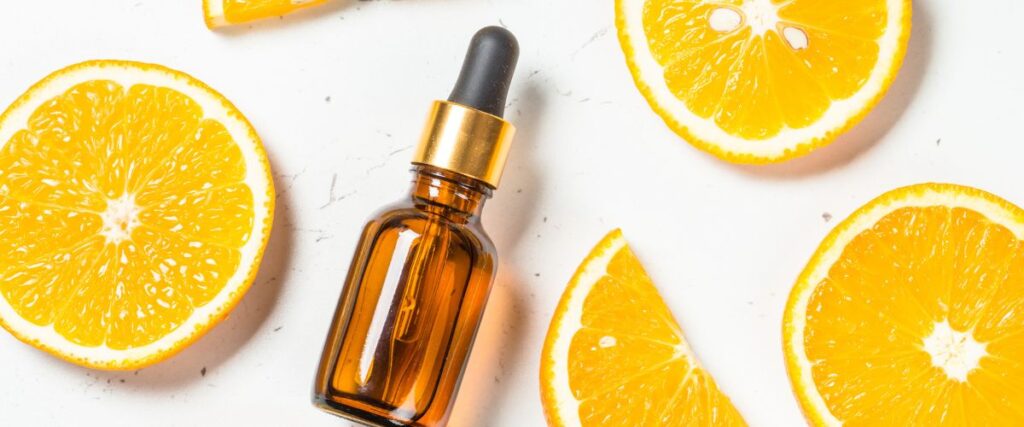
Citrus fruits are high in vitamin C. One medium orange provides 70 mg of Vitamin C, while one grapefruit provides about 56 mg. Citrus fruit juices contain even higher amounts of vitamin C, with a 225 mg glass of fresh-squeezed organic orange juice providing around 125 mg of vitamin C. Be aware, though, of the high sugar content of juices, which is buffeted by eating the whole fruit. Starting your day with lemon juice squeezed into a glass of purified water is also ideal.
Other fruits high in vitamin C are kiwifruit, strawberries, papayas, guavas, and acerola cherries.
Vegetables high in vitamin C are bell peppers, broccoli, cauliflower, tomatoes, kale, and snow peas.
Food-based Supplements
Even with the best of diets, getting enough vitamin C from food can sometimes be difficult if not impossible. According to the Mayo Clinic, since vitamin C is water-soluble, doses up to 2,000 mg a day are considered safe, diarrhea being the most common side effect. Since we are all different, the amount each of us needs will vary. Always use bowel tolerance an indicator.
Dr. Linus Pauling, two-time Nobel Prize winner, published Vitamin C and the Common Cold (1970) in which he recommends taking mega-doses of vitamin C to help fight the common cold and other diseases.
It is rumored Pauling took between 12,000 and 18,000 mg of vitamin C daily and he lived to 93.
How much vitamin C do You Need?
The answer depends on who you ask. Modern research is divided, and every health expert seems to have a different opinion.
If you are eating enough food with vitamin C, that may be sufficient for you. With any health issue, you may want to supplement with whole-food sources.
The Linus Pauling Institute recommends 400 mg of vitamin C daily.
We talk about it all the time, but do we really know what it is and what is does to our body, when it’s acute and when it turns chronic?
Our stress response was designed for emergencies. When an early human perceived a threat – a saber-toothed tiger or an incoming hostile – a stress responses was activated so the human had a chance to survive. The stress response prepares the body for “fight or flight,” and this is what happens physiologically:
Your heart rate and blood pressure soar to increase the flow of blood to the brain to improve decision making.
Your blood sugar rises to furnish more fuel for energy as the result of the breakdown of glycogen, fat, and protein stores.
Your blood is shunted away from the gut, where it is not immediately needed for purposes of digestion, to the large muscles of the arms and legs to provide more strength in combat, or greater speed in getting away from a scene of potential peril.
Clotting occurs more quickly to prevent blood loss from lacerations or internal hemorrhage.
The early human ran away or fought. The danger was (hopefully) averted, and the body returned to a state of homeostasis, to normal functioning. The body was stressed but it then had a chance to recover from the release of neurotransmitters from the sympathetic and central nervous systems, as well as hormones from the adrenal cortex and medulla, pituitary, and other endocrine glands.
The problem today is whereas we experience the occasional acute threat – avoiding a swerving car or crossing the street to get away from a sketchy looking character – most of what stresses us out is invisible, psychologically, or emotionally-based, and oftentimes ongoing: inflation, disagreements with co-workers, or family members, political divisiveness, fear of Sars-CoV-2, raising children, etc.
Unfortunately, for us, our body still reacts with the same archaic “fight or flight” response to chronic stress, as with acute stress, which is damaging and can be deadly.
Chronic stress is associated with a drop in almost all measures of immune functions and leads to an increased risk of chronic infections, autoimmune challenges, and cancers. It can influence many illnesses and conditions such as: Diabetes Mellitus, cardiovascular disease, high blood pressure, elevated blood fats, GI illness, infertility, menstrual irregularities, osteoporosis, detoxification problems, multiple chemical sensitivities, brain damage and psychiatric illnesses, i.e., Alzheimer’s, depression, and chronic fatigue syndrome.
How Can You Tell if Your Body is Experiencing Chronic Stress?
The word stress comes from the Latin words “strictus” (which means “tight” or “narrow”) and “stringere” (which means “to tighten”).
This definition is very interesting because people who spoke Latin in the Roman Empire seemed to have a sense of the mind/body connection. When one experiences chronic stress, the body tightens.
On some level we also understand the mind/body connection because we use idioms like: “My neck feels like it’s in a noose;” “I feel a knot in my stomach when I argue;” “I feel like I’m carrying the weight of the world on my shoulders;” “I feel like my head is in a vise,” and so on.
Remember: the body is your first line of defense against chronic stress. It never lies. If you continue to feel physical pain (if nothing organic is wrong) your stress is chronic, and you need to do something about it.
Good News
The good news is that you can ameliorate the negative impact of chronic stress on the immune system by adopting some of these strategies. Since modern day stress is ubiquitous, it is imperative that you counter it with regular stress reduction strategies.
Go to sleep at a regular time (best by 10 pm) and get about 8 hours. This is restorative for the adrenals. Your body has a chance to detoxify during sleep time.
A short nap during the day can help you to recharge.
Engage in a meditation practice of your choice; even 10 minutes a day helps. You can develop this skill with mindfulness meditation classes. There are other types of meditation – find one that works for you. There are also apps and tapes you can use for breathing exercises, guided imagery and directed meditation. A spiritual practice is not essential but can be helpful.
Walk in nature. Multi-disciplinary research reveals that electrically conductive contact of the human body with the surface of the Earth (grounding or earthing) produces positive effects on your physiology and health. These effects are felt most intensely at the beach, walking in the sand, with the added benefit of negative ions. Be in natural light as much as possible.
Get regular exercise doing something you enjoy, be it solo or in a group. Exercise should increase your heartrate, but not be too strenuous as it can deplete your adrenals. Some sweating is good. Walking is an excellent option.
Socialize and let nurturing and affections into your life. We are social creatures and need social contact.
Laugh.
Engage in activities that make you smile.
Drink calming teas (without caffeine) throughout the day and evening, such as chamomile, lemon balm, kava, and passionflower.
Deep tissue massage with an overture of Swedish will release your tight muscles and lighten your mood and get your Qi flowing.
Get regular acupuncture, which can help calm the nervous system, balance energy, and bring homeostasis.
Offal (pronounced “awFul”) are organ meats, and to some they are considered awful.
But to others who have eaten organ meats as part of their cultural food traditions, or when they traveled internationally, or because they were just downright adventurous have found organ meats to be nutritious and tasty.
In fact, organ meats – liver, kidney, tongue, sweetbreads (thymus, pancreas), tripe (intestine), gizzards, spleen, giblets, brains, feet, heart, marrow – are more nutrient dense than muscle meats and not nearly as expensive.
Offals, also called variety meats, cut from beef, lamb, veal, chicken, lamb, duck, goose, turkey, mutton, and pork, are either consumed directly as food or used in the production of other foods.
History of Offals
Early humans prized organ meats over other animal parts. They would reach straight for the heart, liver, and kidneys of an animal, often throwing away the muscle meats (like steak) to the dogs.
Perhaps these early humans followed the behaviors of predatory animals who ate their prey’s heart and liver first.
Recently, off the coast of South Africa, two Orcas have been hunting Great White sharks, feasting on their livers and sometimes hearts.
From late 14th century English, offal is said to mean “off-fall,” or what is left after butchering. Before refrigeration was common, these organs would have been eaten first.
Through the mid-20th century old cookbooks were loaded with recipes for all kinds of organ meats.
Nutrient Density of Offals
The key is to find offal from grass-fed, pasture raised animals, organic, free from antibiotics, hormones, and other harmful products used in the raising of grain-fed, feedlot animals.
Offal’s nutrition density is due to the plentiful amounts of the fat-soluble vitamins A, D and K2. These three vitamins work together to protect soft tissues from calcification and nourish bones and teeth like no other food can. These vitamins prevent and even repair tooth decay. That’s why organ meats are so important for growing children.
This trio of vitamins also serve as a catalyst for mineral absorption, but they are often absent from the modern diet. For example, many people dependent on a plant-based diet, can’t convert the plant source of vitamin A in carrots, carotene, to retinol to be useful in the body. Others, afraid to eat fats, and other vitamin A rich foods, are depleted of this crucial vitamin.
COQ10 is abundant in heart, liver, and kidney, an essential nutrient for the heart. Also abundant in offal are:
Tryptophan is an amino acid needed for normal growth in infants and for the production and maintenance of the body’s proteins, muscles, enzymes, andneurotransmitters. It is an essential amino acid. This means your body cannot produce it, so you must get it from your diet.
Collagenis a protein responsible for healthy joints and skin elasticity, or stretchiness. It’s in your bones, muscles, and blood, comprising three quarters of your skin and a third of the protein in your body. As you age, your existing collagen breaks down, and it gets harder for your body to produce more.
Elastin is a protein that exists as fibers in the extracellular spaces of many connectivetissues. Its main function is to allow tissues in your body to stretch out and shrink back. Your arteries are tube-shaped blood vessels that carry blood from your heart through your body. Elastin gives your arteries stretchy characteristics that make it easier for your heart to pump blood.
Glycine is an amino acid, one of 20 used to make proteins in the human body. The body produces it naturally, and it is also found in high-protein foods such as meat.
For Healing
Traditional cultures prized these organs especially for the sick and pregnant women. The peoples in ancient China, Greece, as well as in several Native American and African tribes, believed that eating a specific organ from an animal could heal that same organ in the person consuming it.
In the early twentieth century, some doctors in the U.S., advised patients with heart problems to eat beef heart to strengthen their own heart.
During that time, people in the U.S. and Europe were commonly eating liver once a week. The ancients believed that eating liver would purify and cleanse the body. Modern science confirmed that the liver’s function is to cleanse and detoxify the body.
Today, holistic practitioners carry on the tradition of eating organs by prescribing glandulars – organ extracts. Standard Process is an example of a well-respected supplement company that produces these organ-based supplements called protomorphogens.
Liver
Since liver is considered top of the list for nutrition, we’ll focus on it here. But that doesn’t mean the numerous other offal aren’t also excellent choices.
Of all the livers, beef liver is the best source of vitamins and minerals. Pork and chicken livers are good sources, too.
Here are liver’s nutrients:
Preformed vitaminA – or retinol – for eye and immune health. Four ounces of beef liver contains 19,000IU of vitamin A (about 400% of the RDA for vitamin A).
Zinc for immune health and hormone production.
Choline for cognitive health and cellular membrane support
VitaminB12 for cellular energy production and methylation (A chemical reaction in which a small molecule called a methyl group is added to other molecules. Methylation of proteins or nucleic acids may affect how they act in the body.)
Folate for energy production, methylation, and DNA repair
Iron for red blood cell production
Copper for increasing iron absorption in the gut. Copper deficiency can cause anemia, and beef liver is a rare dietary source of copper.
If you can consume a decent hunk of beef liver (4-6 ounces) once a week, you’re set for the week. If you can’t consume this much beef liver at one sitting, break the six ounces down into a couple or three servings a week.
The key to preparation is herb and spices to tame the gamey, pungent, and earthy properties of offal.
Here’s one way to prepare liver:
First soak in milk or lemon juice (with water) to remove bitterness (20 min).
Cut liver (or ask your butcher) into thin strips and season with spices such as turmeric, rosemary, oregano, thyme, salt, pepper, etc.
In a pan, heat butter or other healthy cooking oil to medium heat.
Cook liver and both sides 1-2 minutes until pink in the middle.
Another way to prepare is to ask your butcher to grind up your liver with grass-fed ground beef and use in your favorite recipes. (In this way, you can also add other offal such as heart and kidney.) Experiment with rates. You might start with 30% offal, and 70% ground beef.
Other Ways to Incorporate Organ Meats in Your Diet
Seasoning. EatPluck.com makes a grass-fed, no hormones or gmos, seasoning, which includes onion, beef organ meat blend (liver, kidney, spleen, heart, pancreas) Redmond Real Salt, smoked paprika, lemon peel, garlic, parsley, mustard seed, thyme.
Supplements. A good source to learn about supplements
Perhaps the Romans were having trouble trusting their purveyors of food products since they coined the term, “Caveat Emptor,” let the buyer beware. Did they have food labels to help them figure out what was what? We might not know what the Romans did but, today, we do know that labeling of food products has become the norm.
But labels can be confusing. You can be frustrated when you’ve opened the fridge at your favorite grocery, stymied by the assortment of egg cartons with the words “natural,” “antibiotic-free”, and “free range” written on them. What do these terms mean?
Whereas labels have been created by the government and third-party certifiers to inform consumers what they are buying, some terms are misleading, persuading consumers to purchase something that is not in alignment with their interests.
That’s why the onus is on us, the consumers, to educate ourselves, to understand what the labels mean, so we can make informed choices.
Fair-Trade
The Fairtrade Mark is the only label that indicates a product is certified by Flocert, an independent arm of Fairtrade International, which sets rigorous social, economic, and environmental standards for ethical labeling. For farmers it means safer working conditions and fairer pay.
Fortified
A food that has extra nutrients added to it that are normally not there, such as vitamin A and D, which are added to commercially produced milk and orange juice, and iodine added to salt.
However, it’s best for the absorption of vitamins and minerals to eat food that contains these nutrients, since the body prefers food in its natural state.
Gluten-Free
The FDA’s rule specifies that any foods that carry the label “gluten-free” must contain less than 20 parts per million (ppm) of gluten. This level is the lowest that can be reliably detected in foods using scientifically validated analysis methods.
Healthy
The FDA says that foods labeled “healthy” must be low in saturated fats and contain limited amounts of cholesterol and sodium. Certain foods must also contain at least 10 percent of vitamins A and C, iron, calcium, protein, and fiber.
The problem here is that what the government, or influential non-profits, consider “healthy” is sometimes proven not to be true, and what they decide is unhealthy is sometimes proven untrue. One salient example of the latter is the egg.
It is now widely recognized that eggs are a highly nutritious food based on their high-quality protein and compliment of vitamins and minerals. They are one of the most widely available economical sources of animal protein, vital to growing children, pregnant women, and the elderly.
In 1968, the American Heart Association (AHA) recommended that all individuals consume less than 300 mg of dietary cholesterol per day and no more than three whole eggs per week. It took the next 47 years for the egg industry to create research studies that proved the false correlation between dietary cholesterol, eggs, and heart disease.
Ironically, eggs are a major course of choline, which is associated with decreased plasma levels of homocysteine and inflammatory factors, whose presence in the body is related to increased cardiovascular risk.
From 1968 through the ensuing five decades, when people were afraid to eat eggs for breakfast, and switched to carbohydrate rich cereals, the nation’s obesity problem manifested and worsened.
Natural
The Food and Drug Administration (FDA) has not developed a legal definition of “natural.” So, its use is meaningless, therefore misleading.
When applied to meat and poultry products, the United States Department of Agriculture (USDA) states that “natural” means that these products can only undergo minimal processing without the use of artificial colors, flavors, preservatives, or other artificial ingredients.
However, these animals are not humanely raised, organic, or free of hormones and antibiotics.
Non-Irradiated
The food in question has not been exposed to radiation. Some food undergoes radiation to kill disease-causing bacteria and reduce the incidence of food borne illness. But no thorough testing has been done to understand the impact radiated food has on humans.
Organic
The term “organic” and the use of the USDA organic seal, are regulated through the National Organic Program (NOP), a USDA-approved independent agency. The NOP regulates farmers, ranchers, and food processors who are certified organic in the United States.
To be considered organic, the use of synthetic fertilizers, synthetic pesticides, sewage sludge, irradiation, and genetically engineered crops are prohibited. Also prohibited are the use of hormones and antibiotics in animals.
Small farms with annual revenues under $5,000 in organic products are exempt from the organic certification process, but they must comply with the applicable organic production, handling, and labeling requirements. These farms may label their items as organic but cannot use the USDA certified organic seal.
100% Organic:
To quality for the USDA organic seal, as well the 100% organic claim on
the front panel of the packaging, products must be 100% organic. Organic ingredients must be identified in the label information panel.
Organic:
Products with this label must contain 95% organic ingredients and are certified to use the USDA organic seal as well as the organic claim on the front panel of the packaging. Organic ingredients must be identified in the label information panel.
Made with Organic:
Products with this label must contain at least 70% organic ingredients. The front panel of the packaging may state “made with organic ingredients” but cannot use the USDA organic seal or represent the finished product as organic. Organic ingredients must be identified in the label information panel.
Specific Ingredient Listing:
Products with this label contain less than 70% organic ingredients and cannot use the USDA seal or the word “organic” on the front panel of the packaging. Organic ingredients and the total percentage of organic ingredients may be listed in the ingredients section of the information panel.
Animal Products – Meat, Dairy & Eggs
Antibiotic-Free
Animals are never given antibiotics in their feed, water, or by injection during their lifetime.
Cage-Free (eggs)
The USDA stipulates that cage-free means that eggs come from hens that aren’t caged. They can roam freely in a building, room, or enclosed area with unlimited access to food and fresh water during their production cycle. But they do not have access to the outdoors.
Free-Range (meat and eggs)
For producers to use the term “free range” or “free roaming,” they must demonstrate to the USDA that the cattle and hens are allowed all the accommodations of cage-free animals, in addition to the outside. However, the type of outdoor access, size of the outdoor space, and length of time outside are not legally defined, so conditions may vary greatly between facilities.
GMO-Free, Non-GMO, No GMOs
GMOs, or genetically modified organisms, are plants and animals genetically engineered with DNA from bacteria, viruses, or other plants and animals. Products labeled “GMO-free” means they are produced without being genetically engineered. This is deceptive since grains are often sprayed with the herbicide glyphosate, deemed probably carcinogenic, after harvest and can still use the label GMO-free.One-hundred percent organic is always best.
Grain-Fed
Animals are raised in enclosures and fed a diet of corn and soy-based grains. They are also given drugs, hormones, and antibiotics.
Grass-Fed
The American Grassfed Association (AGA) worked with the USDA until 2006 when the AGA developed more stringent standards. Products granted the AGA approved label must come from animals fed a diet of 100% forage, raised on a pasture, and never treated with hormones or antibiotics.
Be cognizant of labels such as “grass finished,” connoting partially grass-fed animals.
No Added Hormones/No Hormones Administered/Raised Without Added Hormones
The term “No Hormones Administered” may be issued by the Food Safety and Inspection Service (FSIS) of the USDA if the food producer provides sufficient documentation showing that no synthetic or steroid hormones have been given to their animals to increase growth, feed efficiency, or reproduction. USDA FSIS states that no hormones can be used in the production of goat.
Push-back from the public a few years back against adding recombinant bovine growth hormone to cattle feed forced the FSIS to create the “No Hormones Administered” decision.
Pasture-Raised
Pasture-raised indicates that the animal was raised on a pasture where it was able to eat nutritious grasses and other plants, rather than being fattened on grain and hormones in a feedlot or barn. The term pasture-raised indicates more definitively than grass-fed that the animal was raised outdoors on a pasture.
RBGH-Free, RBST-Free
The FDA determines if dairy products from cows are not treated with the hormone recombinant bovine somatotropin (rBST), also called recombinant bovine growth hormone (rBGH), used for increasing milk production.
Ultra-Pasteurized Milk/Raw Milk
Today, an increasing amount of milk found in grocery stores, including most organic milk, is ultra-pasteurized (labeled as UHT, for ultra-high temperature), which gives the milk an extended shelf life (ESL).
According to some microbiologists, conventionally produced, pasteurized milk from grain-fed cows is hard to digest. Especially dangerous is the high heat used in ultra-pasteurized products because the proteins are damaged.
Pasteurized milk is now recognized as a top food allergen. In contrast, numerous scientific studies have shown that raw milk is correlated with decreased rates of asthma, allergies, eczema, otitis (inflammation of the ear), fever, and respiratory infections.
Raw milk, straight from the cow, is not pasteurized or homogenized. The Raw Milk Institute says that raw milk is a complete, natural food containing more amino acids, antimicrobials, vitamins, minerals, and fatty acids than pasteurized milk. Like breastmilk, raw milk is a living whole food, also providing enzymes and probiotics.
Doctors and healthcare professionals routinely warn patients that raw milk is unsafe to consume, but the Raw Milk Institute says there is ample evidence that this conclusion is not applicable to carefully produced raw milk. You want raw milk from grass-fed, pasture-raised cows, the milk 100% certified organic. Know your farmer. Ask questions about practices and testing.
Beef provides you with protein, iron, zinc, B Vitamins – especially Vitamin B12 – iodine, essential omega-3 fatty acids, phosphorus, carnitine, coenzyme-Q-10, and calcium. Red meat protects the heart and nervous system.
Plants don’t provide certain nutrients that animals do, so it’s harder for vegans and vegetarians to maintain sufficient protein intake. Their diet can also be low in fat with the risk of vitamin B12, iron, calcium, and zinc deficiencies. Vegans and vegetarians need a greater reliance on supplements to achieve essential nutritional requirements.
You may enjoy eating beef, not only because it tastes good, but because it plays a part in your cultural food experience and is therefore part of your identity: hot dogs at a baseball game, a Hot Pastrami sandwich, a beef Shawarma, a pepperoni pizza, a Philly Cheesesteak – you get the idea.
Grass-fed Beef is Much Healthier than Grain-fed
Photo by Lukas Hartmann
Grain-fed cattle start out eating grass but in a short while they are herded into huge feedlots where they are fed GMO corn and GMO soy until they are brought to market. According to the Weston A. Price Foundation, a non-profit dedicated to restoring nutrient-sense foods to the American diet, these cattle also eat bakery waste, rejects from candy factories, and waste from government-subsidized and protected ethanol plants.
In addition, grain-fed cattle are given growth hormones, appetite-stimulating chemicals, and sub-therapeutic antibiotics. These materials go into your body with your grain-fed steak.
In contrast, grass-fed cattle are raised outside on pastureland, eating nutrient-rich grasses, soaking up the sunshine, where they are enriching the soil with their manure.
Some Environmentalists are Against Eating Beef Meat Because Cattle Emit Greenhouse Gases
Yes, cattle – through mainly belching, but also, flatulence – release methane that does pollute the environment. But what these environmentalists don’t know is that the methane from grass-fed cows doesn’t harm the environment because it goes into the ground through a process called carbon sequestration.
In this process, grass-fed cattle are rotated across pasture lands. This encourages new grass growth, as the cows’ trampling works the manure and other organic matter into the soil, creating a rich humus. The plant roots also help maintain soil health by retaining water and microbes.
Healthy soil sequesters or traps carbon dioxide in the soil, keeping it from rising into the atmosphere.
As cattleman Ridge Shinn, from his farm in Hardwick, Mass. said in TIME magazine (Lisa Abend, Jan. 25, 2010), “Conventional cattle raising is like mining. It’s unsustainable because you’re just taking without putting anything back. But when you rotate cattle on grass (Over the course of a year, his 100 cattle will rotate across 175 acres four or five time) you change the equation. You put back more than you take out.” By preventing overgrazing you are maintaining the integrity of the grasslands so it can continue to provide nourishment and not be destroyed by the cattle.
What is the True Cost of Grain-Fed Beef Versus Grass-Fed?
Grain-fed meat is cheaper because corporations processing cattle benefit from economy of scale. Take labor, for example. On a grass-based farm, a herd of 700 cows requires the care of three cowboys. On a corporate feedlot, three employees can handle 50,000 head of cattle.
But the hidden costs of cheap food from massive producers includes the huge annual erosion and loss of topsoil from the production of grain; the pollution of the air, water, and soil; and the loss of farm families, farm communities, and small towns throughout the country.
To budget for clean beef, it is best to consume a wide variety of meats – lamb, chicken, pork, wild fish, bison, etc. Organ meats are inexpensive and even more nutrient rich than muscle meats. Eating ground meats is another way to fit eating clean meat into your daily diet. Meaty bones are also good for making stock and broth.
Remember, ideal portions are less than one realizes; gauge your portion of meat from comparing it to the size of your palm.