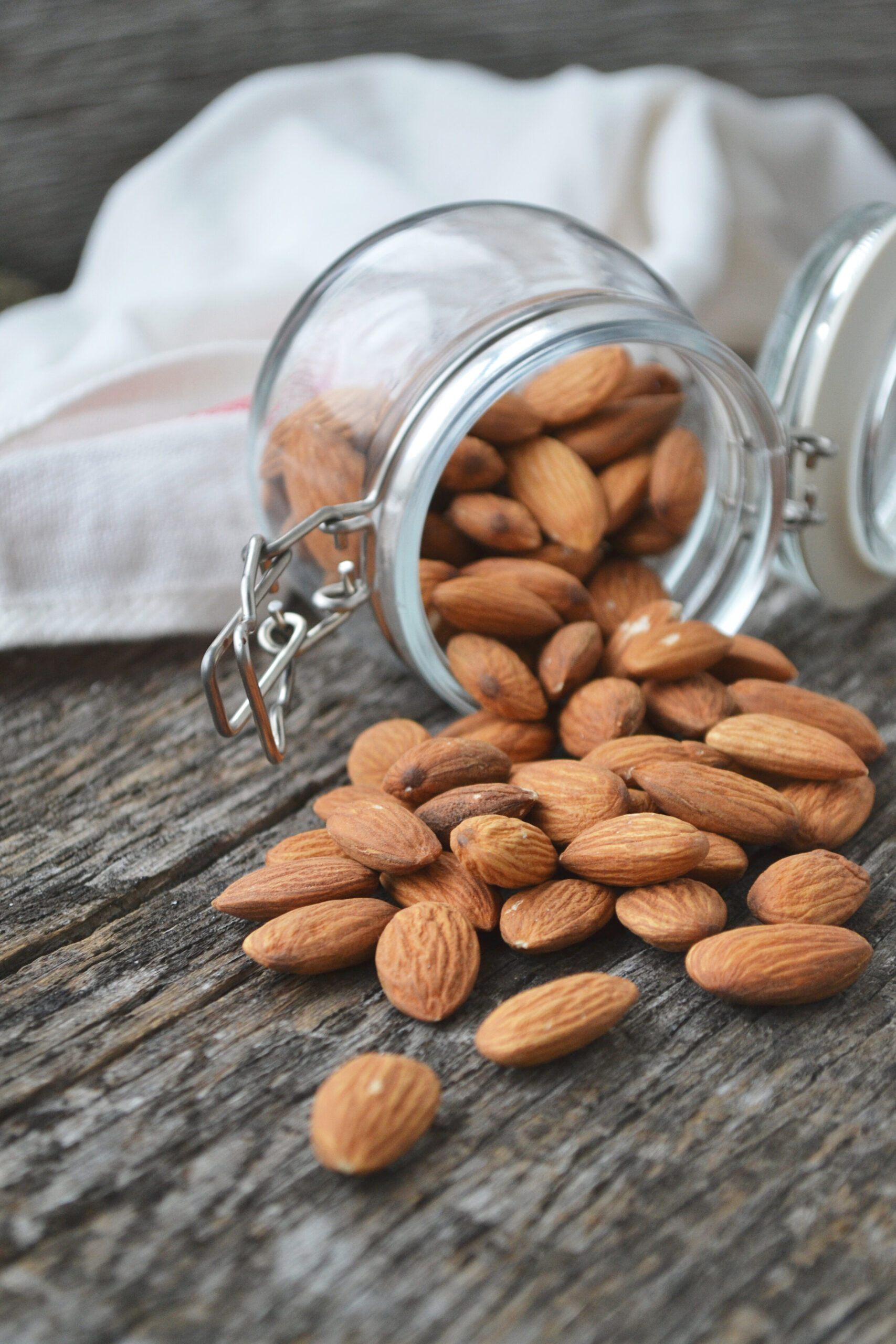
Grains – Traditionally, all grains, nuts and seeds were soaked in salt water or whey to release the naturally occurring phytic acids. These chemicals are anti-nutrients and make these foods hard to digest. This can even be taken a step further, to improve digestibility, and fermented. To Soak: just cover grains with pure filtered water, add some sea salt, cover and set aside for overnight or longer. When ready to cook, pour off water and rinse. Then proceed with normal cooking procedure.
Seeds and Nuts – Seeds need to be dried out after they have been soaked. This can be done with either a dehydrator (optimal) or on the lowest setting in your oven. The dehydrated method will keep the product raw and maintain healthy enzymes. If you don’t have a dehydrator, don’t sweat it, the oven works just fine. You can even add different flavors, such as sea salt, ginger powder, or your own creation, before drying. Cool and store in glass jars in the fridge.
Oils– when cooking with oils it is best to stay away from the vegetable oils, except olive oil, as they degrade when heated. The saturated oils are more stable when heated and have been used since the beginning of time. Animal fats maintain their integrity even at high heats. Duck fat, beef fat (tallow), kidney fat, bacon fat, butter, ghee, are good choices. The tropical oils such as coconut oil and palm oil are also good choices. Save the vegetable oils to be added after cooking or to your salads.
Something else to keep in mind when purchasing your oils is the source. As toxins and chemicals are trapped in fat, make sure that the oils are organic and produced without solvents. Also, make sure that they are refrigerated and stored in dark glass containers. Vegetable oils are extremely fragile and can become rancid very easily.
Traditional Approach to Food Choices
When people used to eat the animal from snout to tail, they were benefiting from all the nutrients in every part of the animal and had no need for supplements. Experiment with the “offal” foods (organ meats) and you will get this added nutritional benefit to your health and pocketbook. Organ meats are usually much less expensive than the flesh meat of the animal. If still feeling squeamish about these foods, try recipes that “sneak” it in with other meats.
We are the richest nation in the world and have all the resources necessary to provide our children everything they need to grow into healthy adults.
If this is so, why are so many American children sick?
What has gone wrong?
The American children of the modern age have been raised on processed foods made predominantly from soy, wheat, and corn. Soy and corn are generally genetically modified organisms (GMO’s), unless they are organic, and they contain very little nutrients. Wheat, although a modified version of the original form that our ancestors ate, is not always genetically modified. The fact that is has been grown with chemical fertilizers and pesticides, has been refined and is contained in so many products, is what creates a problem.
These three altered carbohydrates, soy, wheat and corn, are converted into sugar by the body. Traditionally, soy was not consumed in the multitudes of ways that it is today. It was not a GMO, and it was only consumed in the fermented form; such as tamari, miso, tempeh. The form that it is seen in today’s market is considered an anti-nutrient food, which actually robs us of nutrients. When Mom shops at the supermarket, her choices are mostly products made out of these ingredients. Unless one knows what to look for, the health food store can be a more pricey extension of what the supermarket carries.
So what ARE the nutrients required for developing bodies? Yes carbohydrates, but in a form that the body knows what to do with. Vegetables are a carbohydrate that contains vitamins and minerals and a lot of fiber to slow down the process as it moves through digestion. This prevents a roller coaster event in the blood stream. The fiber also plays many roles downstream in the process, such as assisting the detoxification process, helping to create essential vitamins in the large intestine and maintaining the integrity of the large intestine. Less fruits and even less fruit juices should be consumed, as they are high in sugars. Some fruits (the lower glycemic ones) can be squeezed with fresh squeezed vegetable juices to make it more appealing; such as apples, pears, or berries.
YES, the large intestine has many roles besides just elimination.
Whole grains that are organically grown and not made into flour, if prepared properly, are a carbohydrate that also contains many useful nutrients and fiber. You see, in order for the body to deal with the sugars produced by carbohydrates, it must have the fiber to manage the speed at which it moves through. The refinement of the grains, besides stripping them of the needed fiber, also removes most of the beneficial nutrients. So, we are left with a refined sludge that creates many problems in the system and offers no benefit; except maybe a sugar rush!
Hopefully, that is not what we want for our children. Stable minds grow out of an even blood sugar regulation. We need the right nutrients for that to occur! About 40% carbohydrates should be included in the meal.
Proteins, which are made from amino acids, are the building blocks of the body. There are over 50,000 different proteins used to form our organs, nerves, muscles and skin. Unfortunately, most children start their day on anything but that. Always include about 30 % protein with a meal or snack. Besides the benefits of protein, the child will feel more satisfied and not crave the sweets. Even an after school snack may include a healthy hot dog or sausage with some pickles or sauerkraut. This will help to provide energy for homework and other afternoon activities. The usual “witching hour” which often comes before the dinner hour can be avoided.
Fats, which are essential for so many functions of the body including brain development, have been vilified by the Industrial food giants. They have, unfortunately, been replaced by synthetic and improperly produced oils that have run havoc on our health. Polyunsaturated oils should be organically grown and be very carefully prepared and stored or they become deleterious to our health. Avocados are an excellent source of healthy oil. We must not be afraid to consume plenty good quality choices of this very important nutrient (about 30%). Be liberal with the butter (raw if you can find it, Kerigold brand is also good), ghee, organic cold pressed olive oil, walnut oils, coconut oil). Properly prepared nuts (soaked and dehydrated or lightly roasted), are an excellent snack and addition to many foods. Use animal fats in cooking; such as (pasture raised) lard, bacon fat, duck fat, tallow – these supply us with our much needed fat soluble vitamins and they are very stable with high heat. Fats are a nutrient that provides long burning fuel and satiates us to feel satisfied after a meal. We need only look around at our youth who are raised on excessive refined carbohydrates and are suffering from diabetes, obesity, learning disabilities, depression, etc. to understand that one does not get “fat from eating fat”.
Now we can talk about the quality of these nutrients that we will feed children.
First of all, we must keep in mind that children are not just small adults. They are much more vulnerable to the toxic world; since they are not totally developed and their immune systems are still immature. Therefore, their nutrient needs are much greater. It is very important that they receive the utmost nutrient value from their food intake. Twinkles, pop tarts, doughnuts, breakfast cereals, lunchables, derritos, are not exactly nutrient rich food sources. In fact, they are mostly sugar, with some synthetic vitamins (that the body does not recognize and cannot use), and very poor quality oils.
Our proteins sources have been adulterated, so we need to be diligent to find healthy sources. Since cows are ruminants, they need grass to eat in order for the end product to be of good quality and for us receive the essential omega 3’s. Hence, search out good quality meats that have been pastured raised. Organic is not the label you are looking for in this instance, because cows are not meant to be consuming grain. As far as poultry, who are grain consumers, organically fed, pasture raised is what to look for. It is also healthy to consume a variety of meats, such as pork, lamb and organ meats (also pasture raised). If your family is not used these different varieties of meats, they can be prepared in many tasty ways to please the palate. The health benefits are exceptional for these traditional foods that all of our ancestors ate frequently. There are many essential nutrients in these foods that cannot be obtained from any other source. Vitamins cannot replicate what a whole food makes available to us. For healthy seafood look for wild fish, to avoid the impurities and toxins in the farm raised product.
Dairy, if tolerated, can be an excellent source of protein and other nutrients. Best to be consumed raw, if you can find a good source. If you do not have a local raw dairy available, there are many health food stores who carry more commercial brands from small dairy farms. If these are not available, be sure and feed your children organic whole yogurt. This product will contain valuable bacteria to help your child to digest the milk proteins and populate the intestines with beneficial bacteria. Fresh fruit can be added and perhaps even a little wild honey. Stay away from the pre-sweetened varieties as they contain far too much sugar and other questionable substances. Look for raw organic cheeses for easier digestion as well. Many children develop milk allergies due to the premature consumption of poor quality dairy products. Pasteurized dairy is generally from animals that are raised in confinement, with antibiotics, and are not as healthy as grass fed cows.
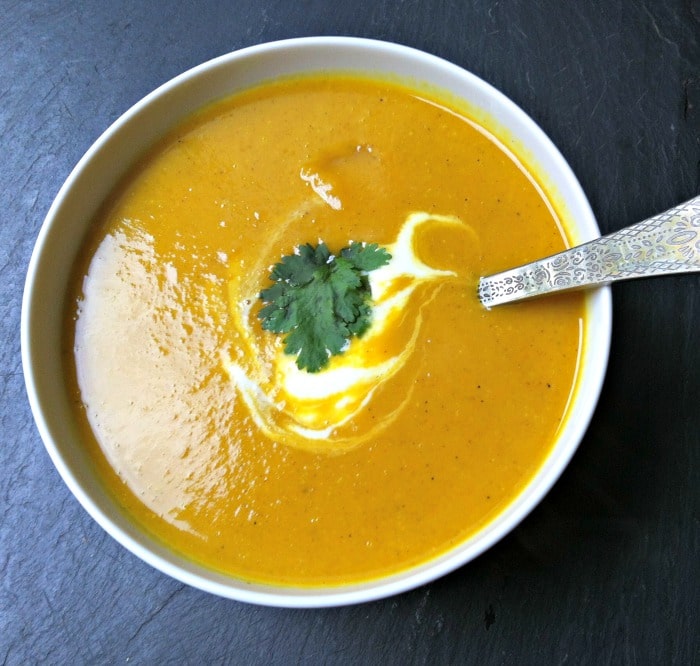
It’s good to introduce a high protein meal for breakfast; include bacon, sausages, eggs, or protein shake with high quality raw eggs, raw kefir. Try to introduce vegetables at an early age, even for breakfast. Soups, typical of asian fare, and bone broths provide a excellent transition to food after the evening fast
Packing school lunches can be challenging because your child is exposed to lots of un-foods/junk foods in the cafeteria. That is why it is essential to educate your child along the way and encourage them to participate in the food prep. Knowledge is everything. If children are a part of the process, you’d be amazed at how they take it on. Especially if you are creative with the food choices, you will be amazed at how the other children will begin to want what yours have. Making sure that your child has the approximate proportions of fats(30%)/ carbs(40%)/protein(30&) will insure that they have enough energy to make it through their day effectively. Dinner leftovers are a great option. When building sandwiches and such, keep in mind the whole food options described above. Just replace your usual choices with good quality sources.
If you remember the REAL FOOD principle, your childs’ palate will develop to appreciate delicious foods and reject the fake stuff. There are many excellent cookbooks available to assist you on this journey; such as The Nourishing Traditions Book of Baby and Childcare, by Sally Fallon, The Nourished Kitchen by Jennifer McGruther to name a few. Also, consider working with a nutritional therapist, who has the tools to guide you through the process.
Drinking bone broth for its therapeutic effects can be traced back to 60 AD where an army surgeon under Nero wrote about it in his book “De Materia Medica.”
In mid-eighteenth century France, travelers stopping at inns would be treated to bowls of bone broth – then called restoratifs: hence, the origin of the word restaurant – a place to restore one’s health and wellness.
From a variety of cultures, and through our grandparents’ generation – until the industrialization after World War II in the United States – bone broth was a staple of a nutritious way of eating. Use bone broth as a digestive, a palate cleanser, and a drink as do the Cantonese; as “Jewish penicillin” with chicken, vegetables, and matzo balls; or as the basis for rich sauces, gravies and for braising meats as the French as famous for; bone broth is as simple to make as it is universal.
What is Bone Broth?
Bone broth is just what its moniker implies: it’s a broth derived from cooking the bones from chicken, meat or fish in water, over a low heat, for a minimum of twelve hours.
What Makes Bone Broth so Beneficial?
Bone is made mostly of collagen which is the most abundant protein in the body. Collagen is the most important protein in connective tissue, skin and bones. It is a great source of amino acids which are the fundamental building blocks of our tissues.
There are eight essential amino acids which we need to get from food. All eight essential amino acids are found in animal-based foods – meat, dairy, eggs. (The eight essential amino acids can be obtained from a variety of plant-based foods, but careful planning is necessary to guarantee proper amounts.) The amino acids proline, glycine, glutamine and alanine are the key players in the rewards of a good bone broth. They each have beneficial contributions to your nutrient dense tonic.
The intake of collagen ensures the cohesion, elasticity, and regeneration of skin, hair, tendons, ligaments, cartilage, bones, and joints. The body needs collagen to support mobility, strong bones, flexible and strong arteries, healthy skin, and good eyesight. The mucosal lining of the digestive tract is also built from these materials. Some of the supplements that you might purchase in the health food store are contained in the broth, such as glycosaminoglycans, and chrondroitin sulfate.
In addition, one of the eight essential amino acids in collagen, Threonine, supports the cardiovascular, liver, central nervous system, and immune system functions. Threonine also builds up tooth enamel, speeds up wound healing, and with two other amino acids, it prevents the build-up of the accumulation of fat in the liver.
Cooking collagen turns it into gelatin; this is the process by which you reap the benefits of the amino acids. Gelatin is an important key in helping to heal “leaky gut,” – intestinal permeability – and restore the normal mucosal layer in the digestive tract.
Leaky gut is a condition that happens when the epithelial cells of the digestive tract lining are not able to do the job of keeping the undesirable substances from entering the bloodstream such as bacteria, viruses, toxins, undigested food. Anyone who has been under chronic stress, eats large quantities of junk food, takes certain medications regularly ( eg. NSAIDS, ibuprofen), or takes too many rounds of antibiotics could be susceptible to this condition that if not healed can lead to autoimmune disease.
Bone broth:
Strengthens and improves joints
Improves digestion and heals the digestive tract
Strengthens bones
Helps to build muscle
Improves skin tone by increasing elasticity
Improves the condition of hair and nails
Improves the quality of sleep
Anti-inflammatory
Improves immunity
Cooking Bone Broth
Since many toxins can be stored in bones, it is important that you buy from a reputable, organic (if possible for poultry), pastured raised, anti-biotics free source.
For chicken bone broth:
1 whole chicken, or the frame of a roasted chicken, or backs, necks and feet
2 sweet bay leaves
1 tablespoon black peppercorns
Any vegetable scraps you have on hand
Cover with filtered water and simmer for twelve hours
Strain and discard solids, and now you have beautiful broth to drink straight or use to make soup with
To store in the freezer, cool, and pour into freezer safe containers
Remove fat that has risen to top and save to use for cooking
Cool down further in fridge before freezing. Do not forget to leave about 1 inch in top for expansion.
For meat bone broth, use the same ingredients, and cooking method, and include knucklebones and feet to obtain a lot of gelatin, marrowbones for the good fats and flavor, and the shanks and parts with some meat which will impart the treasures of cartilage and meat. Roast the bones before cooking to improve the flavor of the broth.
Additional Sources of Gelatin
If you’re short on time, and aren’t ready to tackle homemade bone broth, you can purchase the pre-made variety from Wise Choice Market or from Thrive Market.
More resources can be found on the Weston A. Price Foundation’s website, a nutrition education foundation group dedicated to promoting the benefits of traditional, preindustrial food and cooking.
To supplement your fresh broth, healthy versions of the powdered gelatin, which has many uses such as jello, puddings, thickenings for soups, and gravies, can be purchased through Vital Proteins.
For your supplies, use a good stainless steel stockpot or a safe (lead-free) crockpot; I recommend VitaClay Smart Organic Multi-Cooker.
Nowadays, people are returning to the kitchen to prepare homemade, whole foods from scratch. What could be easier than making the superfood, bone broth? The Italians have an expression, tutto fa brodo – “Everything is broth!”
The digestive process begins in the mouth, which is the first step of the digestive system. When a person sees, smells, and starts chewing food, digestive juices from the salivary glands begin to be released in the mouth and a signal is sent to the stomach to begin releasing its juices. This explains the importance of chewing your food well, releasing more digestive enzymes to assist the mechanical breaking down process.
When the mouth is finished with its job of reducing the food into a mass (bolus), the mass moves down through the esophagus to the stomach. This is a key area for protein and connective tissue digestion, destruction of parasites, yeasts, viruses, bacteria, and general disinfection. If the stomach acids (hydrochloric acid- HCL) are not strong enough (1.5 -3.0 ph), pepsin and gastrin will not be activated, proteins will not be broken down into the right form and the mass of bad pathogens will make their way into the inner chambers of the body.
HCL is rather important in its function within the digestive system.
Most people are low in HLC. The co-factors to make this key ingredient are zinc, B1, B6, and vitamin C. These co-factors are often depleted in most people.
What happens with undigested proteins?
The small intestine is the place where the nutrients are passed into the bloodstream. When the stomach acid gets to a certain low point the pyloric valve opens to allow the mass, now called chyme, into the small intestine. If the acid is not low enough, and the pyloric valve is not signaled, the next round of food will push the earlier chyme (digested or not), through the valve into the small intestine. This is where the trouble begins.
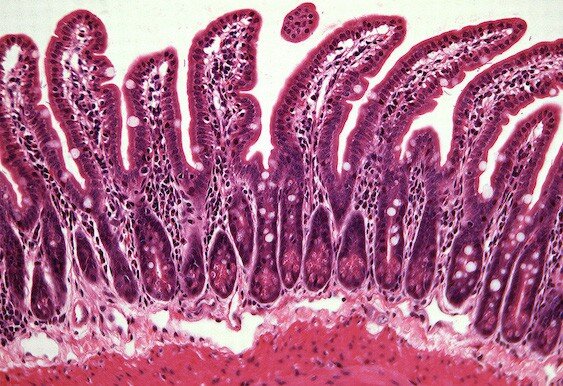
The proteins are meant to be in a microscopic form and absorbed through the macrovilli and villi of the intestinal walls without disrupting them. The short and medium-chain fatty acids are absorbed right into the bloodstream. The long-chain fatty acids require the assistance of bile before they can be absorbed. Carbohydrates are broken down into glucose molecules and then absorbed here as well. But the proteins that are mis-formed, and too large, confuse the whole process. These are no longer nutrients, they have turned into troublemakers and weaken the epithelial lining of the intestinal wall creating a “leaky gut syndrome”.
The immune system does not recognize proteins in this new form and reacts by causing the immune system to produce antigens and trigger an immune response. This immune response is what causes inflammation in the body. When this begins to happen repetitively, the immune memory system becomes confused and the proteins begin to resemble the molecular tissue structure of the body. Self-tolerance begins to break down and the body begins to attack itself. The inflammation cycle permeates the body.
Bacteria gone awry, viruses, fungus, parasites and other pathogens that did not get destroyed by the stomach acid end up in the large intestine where they will begin to populate. The large intestine is a place where the microbiome (the bacterial population), plays a role in the immune system. There must be a balance of the duties that each bacteria is responsible for. The so called “bad bacteria”, even have a job to do, they have just gotten out of control. In the colon, the friendly bacteria is meant to nourish the walls, produce vitamins such as Vitamin K, B1, B2, B12 and butyric acid.
Unfortunately, if the misguided bacteria begins to overwhelm them, the beneficial bacteria can no longer do their jobs. This results in dysbiosis, when the pathogenic bacteria is in charge and outnumbers the friendly beneficial bacteria. The immune system is overwhelmed. Immune is also dealing with the inflammation from the antigens and it does not have the assistance of its army to put out so many fires throughout the body. This is how autoimmune disease begins.