

Acupuncturists, naturopaths, and functional doctors focus on the prevention of disease: How to stay healthy by focusing on nutrition, physical activity, mental and emotional well-being, and spiritual growth.
In this article, the focus is on the essential minerals of nutrition. In the context of nutrition, a mineral is a chemical element required as an essential nutrient by organisms to perform functions necessary for life.
Your body uses minerals for many different jobs, including keeping your bones, muscles, heart, and brain working properly. They are also necessary for making enzymes and hormones.
The four major structural elements that make up 96% of the weight of the human body are oxygen, hydrogen, carbon, and nitrogen. The remaining 4% are composed of major minerals or macro minerals and micro minerals or trace elements.
You get your necessary major minerals and micro minerals from eating plants and animals and from drinking water. That’s why it is crucial to eat organic, both plants and animals, and drink filtered water.
If you are eating plants from pesticide sprayed, nutrient-depleted soil, and eating animals that are laden with hormones, antibiotics, and other harmful fillers, you are weakening your body, making it more susceptible to dis/ease.
It’s true, organic fruits, vegetables, and meats are more expensive, but think of the value added to your life – the elimination of suffering and future doctor bills – and try to economize elsewhere.
You may also like
Macro Minerals or Major Minerals
Macro minerals are Calcium, Phosphorous, Potassium, Magnesium, Sulfur, Sodium, and Chloride.
Calcium. Almost all calcium is stored in bones and teeth to help make and keep them strong. Your body needs calcium to help muscles and blood vessels contract and expand, and to send messages through the nervous system. Calcium is also used to help release hormones and enzymes that affect almost every function in the human body.
Some foods high in calcium: kelp, cheddar cheese, collards, kale, turnip greens, almonds, sesame seeds, yogurt, apricots, Brewers yeast, parsley, dandelion greens, and Brazil nuts.
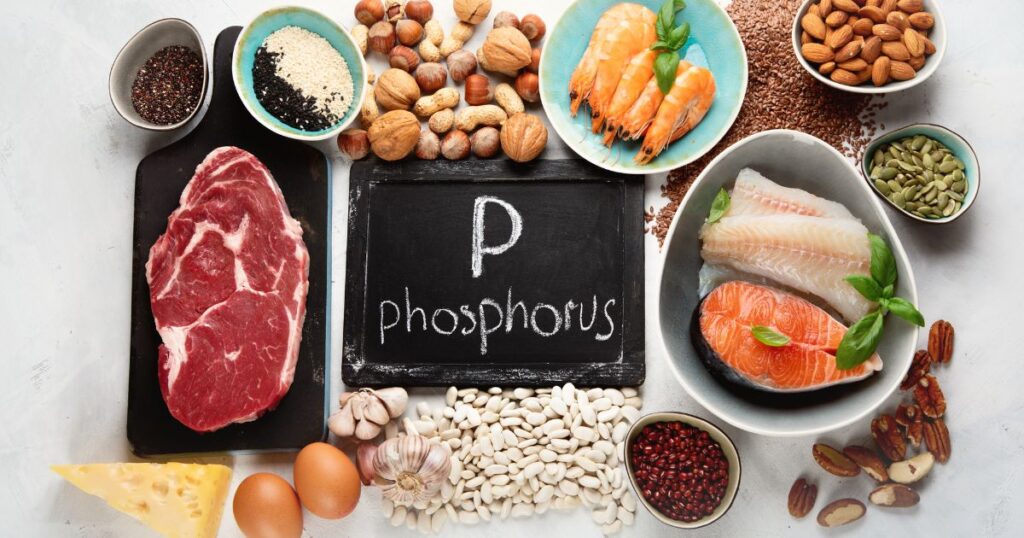
Phosphorous. It helps keep your bones healthy. It also helps keep blood vessels and muscles working. Phosphorous is found naturally in foods rich in protein, such as meat, poultry, fish, nuts, beans, and dairy products.
Potassium. It is a mineral that your cells, nerves, and muscles need to function properly. It helps your body regulate your blood pressure, heart rhythm, and the water content in cells. It also helps with digestion.
Some foods high in potassium: avocados, apricots, salmon, chicken, asparagus, carrots, lima beans, potatoes, tomatoes, bananas, and peaches.
Magnesium. It helps your body regulate muscle and nerve function, blood sugar levels, and blood pressure. Magnesium also helps your body make protein, bone, and DNA.
Some foods high in magnesium: almonds, cashews, brown rice, kelp, Brewers yeast, Brazil nuts, and molasses.
Sulfur. After calcium and phosphorus, sulfur is the most abundant mineral element found in your body. Your body needs sulfur to build and fix your DNA and protect your cells from damage that can lead to serious diseases such as cancer. Sulfur also assists your body to metabolize food and contributes to the health of your skin, tendons, and ligaments.
Sulfur is derived almost exclusively from proteins. The biggest categories include meat and poultry, especially beef, ham, chicken, pork, duck, turkey, and organ meats like heart and liver. It is also found in fish and seafood, most abundantly in shrimp, scallops, mussels, and prawns. It is also found in garlic.
Sodium. Sodium helps with the function of nerves and muscles, and it also helps to keep the right balance of fluids in your body.
Chloride. Chloride carries an electric charge and therefore is also classified as an electrolyte, along with sodium and potassium.
Salt is the main dietary source for both sodium and chloride. However, table salt, or refined salt, lacks trace minerals and contains added chemical ingredients. Unprocessed salts, like Celtic Salt, Himalayan Salt, Baja Gold, and others have not been altered and have a balanced array of minerals. The fear of “too much salt” comes from sodium-rich processed foods and refined salt. Whole salt products are safe and needed by the body.
Micro Minerals or Trace Elements
Trace minerals are so named because your body needs only a tiny amount of each one. That doesn’t mean that they don’t matter. Some important micro minerals are: chromium, copper, boron, iodine, iron, manganese, molybdenum, selenium, and zinc.
Chromium – Broccoli, liver, and brewer’s yeast. Potatoes, whole grains, seafood, and meats also contain chromium.
Copper – Oysters and other shellfish, whole grains, beans, nuts, potatoes, and organ meats (kidneys, liver) are good sources of copper. Dark leafy greens, and dried fruits such as prunes, cocoa, black pepper, and yeast are also sources of copper in the diet.
Boron – Coffee, milk, apples, dried and cooked beans, and potatoes.
Iodine – Seaweed (nori, kelp, kombu, wakame), fish, shellfish (cod, tuna, oysters, shrimp, dairy (milk, cheese, yogurt), eggs, beef liver, chicken.
Iron – Nuts, dried fruit, whole grain pasta and bread, legumes (mixed beans, lentils, chickpeas), dark leafy vegetables, oats, tofu, beef, molasses, potatoes,
Manganese – Shellfish (mussels, oysters, clams), nuts (especially hazelnuts and pecans), brown rice, oatmeal, legumes (soybeans, kidney beans, chickpeas, lentils, peanuts), black tea, black pepper, spinach.
Molybdenum – Legumes (black-eyed peas, lima beans), whole grains, rice, nuts, potatoes, bananas, leafy vegetables, dairy (milk, yogurt, cheese), beef, chicken, and eggs.
Selenium – Pork, beef, turkey, chicken, fish, shellfish, eggs, Brazil nuts, brussels sprouts.
Zinc – Oysters, pumpkin seeds, pecans, red meat, poultry, beans, crab, lobster, whole grains, breakfast cereals, and dairy products.
The takeaway message is to eliminate processed foods and focus on eating a variety of fresh, whole foods that nature provides. If you are surely deficient in certain minerals, supplementation may be necessary, but it’s not optimal. A good practitioner can guide you in creating a healthful plan of eating whole foods that is manageable.

