Tag: #HealthyLiving

  • Stress: One of the Main Causes of Disease

    Stress: One of the Main Causes of Disease

    We talk about it all the time, but do we really know what it is and what is does to our body, when it’s acute and when it turns chronic? 

    Our stress response was designed for emergencies. When an early human perceived a threat – a saber-toothed tiger or an incoming hostile – a stress responses was activated so the human had a chance to survive. The stress response prepares the body for “fight or flight,” and this is what happens physiologically:

    A male employee stressing over overwhelming tasks.
    • Your heart rate and blood pressure soar to increase the flow of blood to the brain to improve decision making.
    • Your blood sugar rises to furnish more fuel for energy as the result of the breakdown of glycogen, fat, and protein stores.
    • Your blood is shunted away from the gut, where it is not immediately needed for purposes of digestion, to the large muscles of the arms and legs to provide more strength in combat, or greater speed in getting away from a scene of potential peril.
    • Clotting occurs more quickly to prevent blood loss from lacerations or internal hemorrhage.

    The early human ran away or fought. The danger was (hopefully) averted, and the body returned to a state of homeostasis, to normal functioning. The body was stressed but it then had a chance to recover from the release of neurotransmitters from the sympathetic and central nervous systems, as well as hormones from the adrenal cortex and medulla, pituitary, and other endocrine glands. 

    The problem today is whereas we experience the occasional acute threat – avoiding a swerving car or crossing the street to get away from a sketchy looking character – most of what stresses us out is invisible, psychologically, or emotionally-based, and oftentimes ongoing: inflation, disagreements with co-workers, or family members, political divisiveness, fear of Sars-CoV-2, raising children, etc.

    Unfortunately, for us, our body still reacts with the same archaic “fight or flight” response to chronic stress, as with acute stress, which is damaging and can be deadly. 

    Chronic stress is associated with a drop in almost all measures of immune functions and leads to an increased risk of chronic infections, autoimmune challenges, and cancers. It can influence many illnesses and conditions such as: Diabetes Mellitus, cardiovascular disease, high blood pressure, elevated blood fats, GI illness, infertility, menstrual irregularities, osteoporosis, detoxification problems, multiple chemical sensitivities, brain damage and psychiatric illnesses, i.e., Alzheimer’s, depression, and chronic fatigue syndrome.

    How Can You Tell if Your Body is Experiencing Chronic Stress?

    The word stress comes from the Latin words “strictus” (which means “tight” or “narrow”) and “stringere” (which means “to tighten”). 

    This definition is very interesting because people who spoke Latin in the Roman Empire seemed to have a sense of the mind/body connection. When one experiences chronic stress, the body tightens. 

    On some level we also understand the mind/body connection because we use idioms like: “My neck feels like it’s in a noose;” “I feel a knot in my stomach when I argue;” “I feel like I’m carrying the weight of the world on my shoulders;” “I feel like my head is in a vise,” and so on. 

    Remember: the body is your first line of defense against chronic stress. It never lies. If you continue to feel physical pain (if nothing organic is wrong) your stress is chronic, and you need to do something about it. 

    Good News

    The good news is that you can ameliorate the negative impact of chronic stress on the immune system by adopting some of these strategies. Since modern day stress is ubiquitous, it is imperative that you counter it with regular stress reduction strategies. 

    • Go to sleep at a regular time (best by 10 pm) and get about 8 hours. This is restorative for the adrenals. Your body has a chance to detoxify during sleep time. 
    • A short nap during the day can help you to recharge.
    • Engage in a meditation practice of your choice; even 10 minutes a day helps. You can develop this skill with mindfulness meditation classes. There are other types of meditation – find one that works for you. There are also apps and tapes you can use for breathing exercises, guided imagery and directed meditation. A spiritual practice is not essential but can be helpful.
    • Walk in nature. Multi-disciplinary research reveals that electrically conductive contact of the human body with the surface of the Earth (grounding or earthing) produces positive effects on your physiology and health. These effects are felt most intensely at the beach, walking in the sand, with the added benefit of negative ions. Be in natural light as much as possible.
    • Get regular exercise doing something you enjoy, be it solo or in a group. Exercise should increase your heartrate, but not be too strenuous as it can deplete your adrenals. Some sweating is good. Walking is an excellent option.
    • Socialize and let nurturing and affections into your life. We are social creatures and need social contact.
    • Laugh.
    • Engage in activities that make you smile.
    • Drink calming teas (without caffeine) throughout the day and evening, such as chamomile, lemon balm, kava, and passionflower. 
    • Deep tissue massage with an overture of Swedish will release your tight muscles and lighten your mood and get your Qi flowing.

    Get regular acupuncture, which can help calm the nervous system, balance energy, and bring homeostasis.

  • What to Look for in Food Labels

    What to Look for in Food Labels

    Perhaps the Romans were having trouble trusting their purveyors of food products since they coined the term, “Caveat Emptor,” let the buyer beware. Did they have food labels to help them figure out what was what? We might not know what the Romans did but, today, we do know that labeling of food products has become the norm.

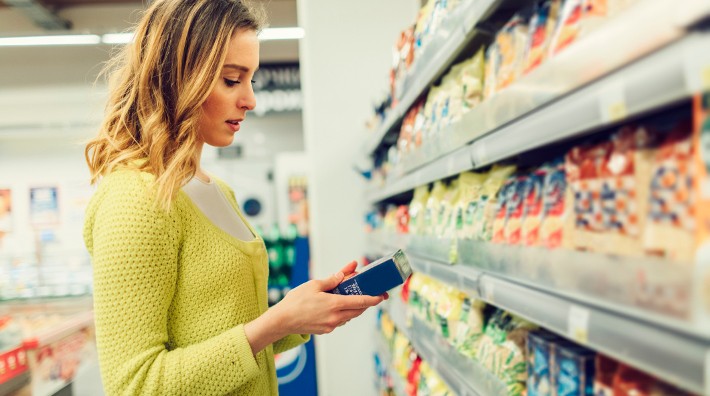
    But labels can be confusing. You can be frustrated when you’ve opened the fridge at your favorite grocery, stymied by the assortment of egg cartons with the words “natural,” “antibiotic-free”, and “free range” written on them. What do these terms mean? 

    Whereas labels have been created by the government and third-party certifiers to inform consumers what they are buying, some terms are misleading, persuading consumers to purchase something that is not in alignment with their interests. 

    That’s why the onus is on us, the consumers, to educate ourselves, to understand what the labels mean, so we can make informed choices.

    Fair-Trade

    The Fairtrade Mark is the only label that indicates a product is certified by Flocert, an independent arm of Fairtrade International, which sets rigorous social, economic, and environmental standards for ethical labeling. For farmers it means safer working conditions and fairer pay. 

    man hand fruit cocoa

    Fortified

    A food that has extra nutrients added to it that are normally not there, such as vitamin A and D, which are added to commercially produced milk and orange juice, and iodine added to salt.

    However, it’s best for the absorption of vitamins and minerals to eat food that contains these nutrients, since the body prefers food in its natural state.

    Gluten-Free

    The FDA’s rule specifies that any foods that carry the label “gluten-free” must contain less than 20 parts per million (ppm) of gluten. This level is the lowest that can be reliably detected in foods using scientifically validated analysis methods. 

    Healthy

    The FDA says that foods labeled “healthy” must be low in saturated fats and contain limited amounts of cholesterol and sodium. Certain foods must also contain at least 10 percent of vitamins A and C, iron, calcium, protein, and fiber.

    The problem here is that what the government, or influential non-profits, consider “healthy” is sometimes proven not to be true, and what they decide is unhealthy is sometimes proven untrue. One salient example of the latter is the egg. 

    It is now widely recognized that eggs are a highly nutritious food based on their high-quality protein and compliment of vitamins and minerals. They are one of the most widely available economical sources of animal protein, vital to growing children, pregnant women, and the elderly. 

    In 1968, the American Heart Association (AHA) recommended that all individuals consume less than 300 mg of dietary cholesterol per day and no more than three whole eggs per week. It took the next 47 years for the egg industry to create research studies that proved the false correlation between dietary cholesterol, eggs, and heart disease. 

    Ironically, eggs are a major course of choline, which is associated with decreased plasma levels of homocysteine and inflammatory factors, whose presence in the body is related to increased cardiovascular risk. 

    From 1968 through the ensuing five decades, when people were afraid to eat eggs for breakfast, and switched to carbohydrate rich cereals, the nation’s obesity problem manifested and worsened. 

    Reading Food Labels | ADA

    Natural

    The Food and Drug Administration (FDA) has not developed a legal definition of “natural.” So, its use is meaningless, therefore misleading.

    When applied to meat and poultry products, the United States Department of Agriculture (USDA) states that “natural” means that these products can only undergo minimal processing without the use of artificial colors, flavors, preservatives, or other artificial ingredients. 

    However, these animals are not humanely raised, organic, or free of hormones and antibiotics.

    Non-Irradiated

    The food in question has not been exposed to radiation. Some food undergoes radiation to kill disease-causing bacteria and reduce the incidence of food borne illness. But no thorough testing has been done to understand the impact radiated food has on humans. 

    Organic

    The term “organic” and the use of the USDA organic seal, are regulated through the National Organic Program (NOP), a USDA-approved independent agency. The NOP regulates farmers, ranchers, and food processors who are certified organic in the United States.

    To be considered organic, the use of synthetic fertilizers, synthetic pesticides, sewage sludge, irradiation, and genetically engineered crops are prohibited. Also prohibited are the use of hormones and antibiotics in animals.

    Small farms with annual revenues under $5,000 in organic products are exempt from the organic certification process, but they must comply with the applicable organic production, handling, and labeling requirements. These farms may label their items as organic but cannot use the USDA certified organic seal.

    100% Organic:

    To quality for the USDA organic seal, as well the 100% organic claim on

    the front panel of the packaging, products must be 100% organic. Organic ingredients must be identified in the label information panel.

    Organic:

    Products with this label must contain 95% organic ingredients and are certified to use the USDA organic seal as well as the organic claim on the front panel of the packaging. Organic ingredients must be identified in the label information panel.

    Made with Organic:

    Products with this label must contain at least 70% organic ingredients. The front panel of the packaging may state “made with organic ingredients” but cannot use the USDA organic seal or represent the finished product as organic. Organic ingredients must be identified in the label information panel.

    Specific Ingredient Listing:

    Products with this label contain less than 70% organic ingredients and cannot use the USDA seal or the word “organic” on the front panel of the packaging. Organic ingredients and the total percentage of organic ingredients may be listed in the ingredients section of the information panel.

    Animal Products – Meat, Dairy & Eggs

    Antibiotic-Free

    Animals are never given antibiotics in their feed, water, or by injection during their lifetime.

    Cage-Free (eggs)

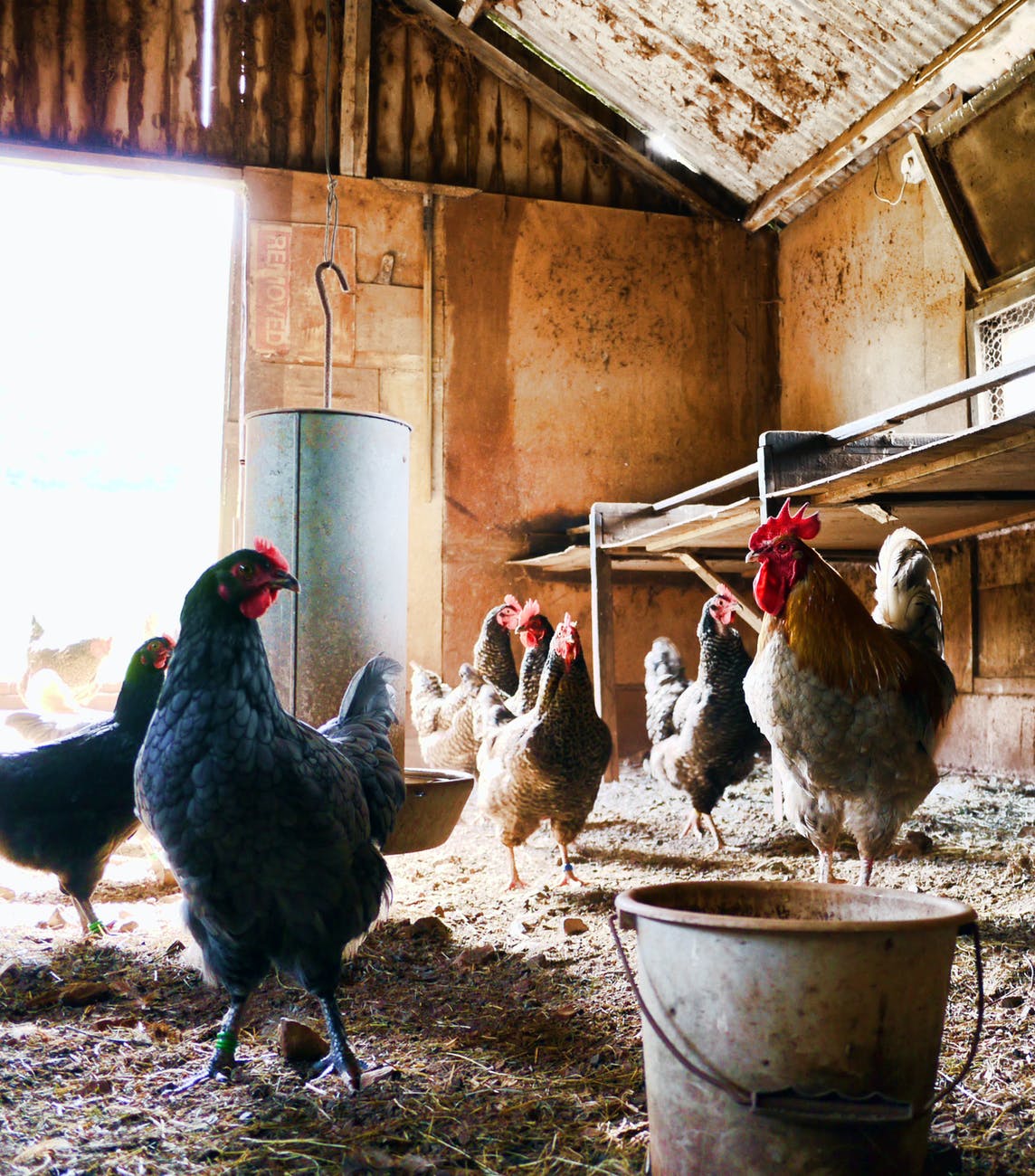
    The USDA stipulates that cage-free means that eggs come from hens that aren’t caged. They can roam freely in a building, room, or enclosed area with unlimited access to food and fresh water during their production cycle. But they do not have access to the outdoors.

    herd of hen

    Free-Range (meat and eggs)

    For producers to use the term “free range” or “free roaming,” they must demonstrate to the USDA that the cattle and hens are allowed all the accommodations of cage-free animals, in addition to the outside. However, the type of outdoor access, size of the outdoor space, and length of time outside are not legally defined, so conditions may vary greatly between facilities.

    GMO-Free, Non-GMO, No GMOs

    GMOs, or genetically modified organisms, are plants and animals genetically engineered with DNA from bacteria, viruses, or other plants and animals. Products labeled “GMO-free” means they are produced without being genetically engineered. This is deceptive since grains are often sprayed with the herbicide glyphosate, deemed probably carcinogenic, after harvest and can still use the label GMO-free. One-hundred percent organic is always best. 

    Grain-Fed

    Animals are raised in enclosures and fed a diet of corn and soy-based grains. They are also given drugs, hormones, and antibiotics.

    Grass-Fed

    The American Grassfed Association (AGA) worked with the USDA until 2006 when the AGA developed more stringent standards. Products granted the AGA approved label must come from animals fed a diet of 100% forage, raised on a pasture, and never treated with hormones or antibiotics. 

    Be cognizant of labels such as “grass finished,” connoting partially grass-fed animals. 

    No Added Hormones/No Hormones Administered/Raised Without Added Hormones

    The term “No Hormones Administered” may be issued by the Food Safety and Inspection Service (FSIS) of the USDA if the food producer provides sufficient documentation showing that no synthetic or steroid hormones have been given to their animals to increase growth, feed efficiency, or reproduction. USDA FSIS states that no hormones can be used in the production of goat. 

    Push-back from the public a few years back against adding recombinant bovine growth hormone to cattle feed forced the FSIS to create the “No Hormones Administered” decision. 

    Pasture-Raised

    Pasture-raised indicates that the animal was raised on a pasture where it was able to eat nutritious grasses and other plants, rather than being fattened on grain and hormones in a feedlot or barn. The term pasture-raised indicates more definitively than grass-fed that the animal was raised outdoors on a pasture.

    RBGH-Free, RBST-Free

    The FDA determines if dairy products from cows are not treated with the hormone recombinant bovine somatotropin (rBST), also called recombinant bovine growth hormone (rBGH), used for increasing milk production.

    Ultra-Pasteurized Milk/Raw Milk

    Today, an increasing amount of milk found in grocery stores, including most organic milk, is ultra-pasteurized (labeled as UHT, for ultra-high temperature), which gives the milk an extended shelf life (ESL).

    According to some microbiologists, conventionally produced, pasteurized milk from grain-fed cows is hard to digest. Especially dangerous is the high heat used in ultra-pasteurized products because the proteins are damaged.

    Pasteurized milk is now recognized as a top food allergen. In contrast, numerous scientific studies have shown that raw milk is correlated with decreased rates of asthma, allergies, eczema, otitis (inflammation of the ear), fever, and respiratory infections.

    Raw milk, straight from the cow, is not pasteurized or homogenized. The Raw Milk Institute says that raw milk is a complete, natural food containing more amino acids, antimicrobials, vitamins, minerals, and fatty acids than pasteurized milk. Like breastmilk, raw milk is a living whole food, also providing enzymes and probiotics.

    Doctors and healthcare professionals routinely warn patients that raw milk is unsafe to consume, but the Raw Milk Institute says there is ample evidence that this conclusion is not applicable to carefully produced raw milk. You want raw milk from grass-fed, pasture-raised cows, the milk 100% certified organic. Know your farmer. Ask questions about practices and testing.