We talk about it all the time, but do we really know what it is and what is does to our body, when it’s acute and when it turns chronic?
Our stress response was designed for emergencies. When an early human perceived a threat – a saber-toothed tiger or an incoming hostile – a stress responses was activated so the human had a chance to survive. The stress response prepares the body for “fight or flight,” and this is what happens physiologically:

- Your heart rate and blood pressure soar to increase the flow of blood to the brain to improve decision making.
- Your blood sugar rises to furnish more fuel for energy as the result of the breakdown of glycogen, fat, and protein stores.
- Your blood is shunted away from the gut, where it is not immediately needed for purposes of digestion, to the large muscles of the arms and legs to provide more strength in combat, or greater speed in getting away from a scene of potential peril.
- Clotting occurs more quickly to prevent blood loss from lacerations or internal hemorrhage.
The early human ran away or fought. The danger was (hopefully) averted, and the body returned to a state of homeostasis, to normal functioning. The body was stressed but it then had a chance to recover from the release of neurotransmitters from the sympathetic and central nervous systems, as well as hormones from the adrenal cortex and medulla, pituitary, and other endocrine glands.
The problem today is whereas we experience the occasional acute threat – avoiding a swerving car or crossing the street to get away from a sketchy looking character – most of what stresses us out is invisible, psychologically, or emotionally-based, and oftentimes ongoing: inflation, disagreements with co-workers, or family members, political divisiveness, fear of Sars-CoV-2, raising children, etc.
Unfortunately, for us, our body still reacts with the same archaic “fight or flight” response to chronic stress, as with acute stress, which is damaging and can be deadly.
Chronic stress is associated with a drop in almost all measures of immune functions and leads to an increased risk of chronic infections, autoimmune challenges, and cancers. It can influence many illnesses and conditions such as: Diabetes Mellitus, cardiovascular disease, high blood pressure, elevated blood fats, GI illness, infertility, menstrual irregularities, osteoporosis, detoxification problems, multiple chemical sensitivities, brain damage and psychiatric illnesses, i.e., Alzheimer’s, depression, and chronic fatigue syndrome.
How Can You Tell if Your Body is Experiencing Chronic Stress?
The word stress comes from the Latin words “strictus” (which means “tight” or “narrow”) and “stringere” (which means “to tighten”).
This definition is very interesting because people who spoke Latin in the Roman Empire seemed to have a sense of the mind/body connection. When one experiences chronic stress, the body tightens.
On some level we also understand the mind/body connection because we use idioms like: “My neck feels like it’s in a noose;” “I feel a knot in my stomach when I argue;” “I feel like I’m carrying the weight of the world on my shoulders;” “I feel like my head is in a vise,” and so on.
Remember: the body is your first line of defense against chronic stress. It never lies. If you continue to feel physical pain (if nothing organic is wrong) your stress is chronic, and you need to do something about it.
Good News
The good news is that you can ameliorate the negative impact of chronic stress on the immune system by adopting some of these strategies. Since modern day stress is ubiquitous, it is imperative that you counter it with regular stress reduction strategies.
- Go to sleep at a regular time (best by 10 pm) and get about 8 hours. This is restorative for the adrenals. Your body has a chance to detoxify during sleep time.
- A short nap during the day can help you to recharge.
- Engage in a meditation practice of your choice; even 10 minutes a day helps. You can develop this skill with mindfulness meditation classes. There are other types of meditation – find one that works for you. There are also apps and tapes you can use for breathing exercises, guided imagery and directed meditation. A spiritual practice is not essential but can be helpful.
- Walk in nature. Multi-disciplinary research reveals that electrically conductive contact of the human body with the surface of the Earth (grounding or earthing) produces positive effects on your physiology and health. These effects are felt most intensely at the beach, walking in the sand, with the added benefit of negative ions. Be in natural light as much as possible.
- Get regular exercise doing something you enjoy, be it solo or in a group. Exercise should increase your heartrate, but not be too strenuous as it can deplete your adrenals. Some sweating is good. Walking is an excellent option.
- Socialize and let nurturing and affections into your life. We are social creatures and need social contact.
- Laugh.
- Engage in activities that make you smile.
- Drink calming teas (without caffeine) throughout the day and evening, such as chamomile, lemon balm, kava, and passionflower.
- Deep tissue massage with an overture of Swedish will release your tight muscles and lighten your mood and get your Qi flowing.
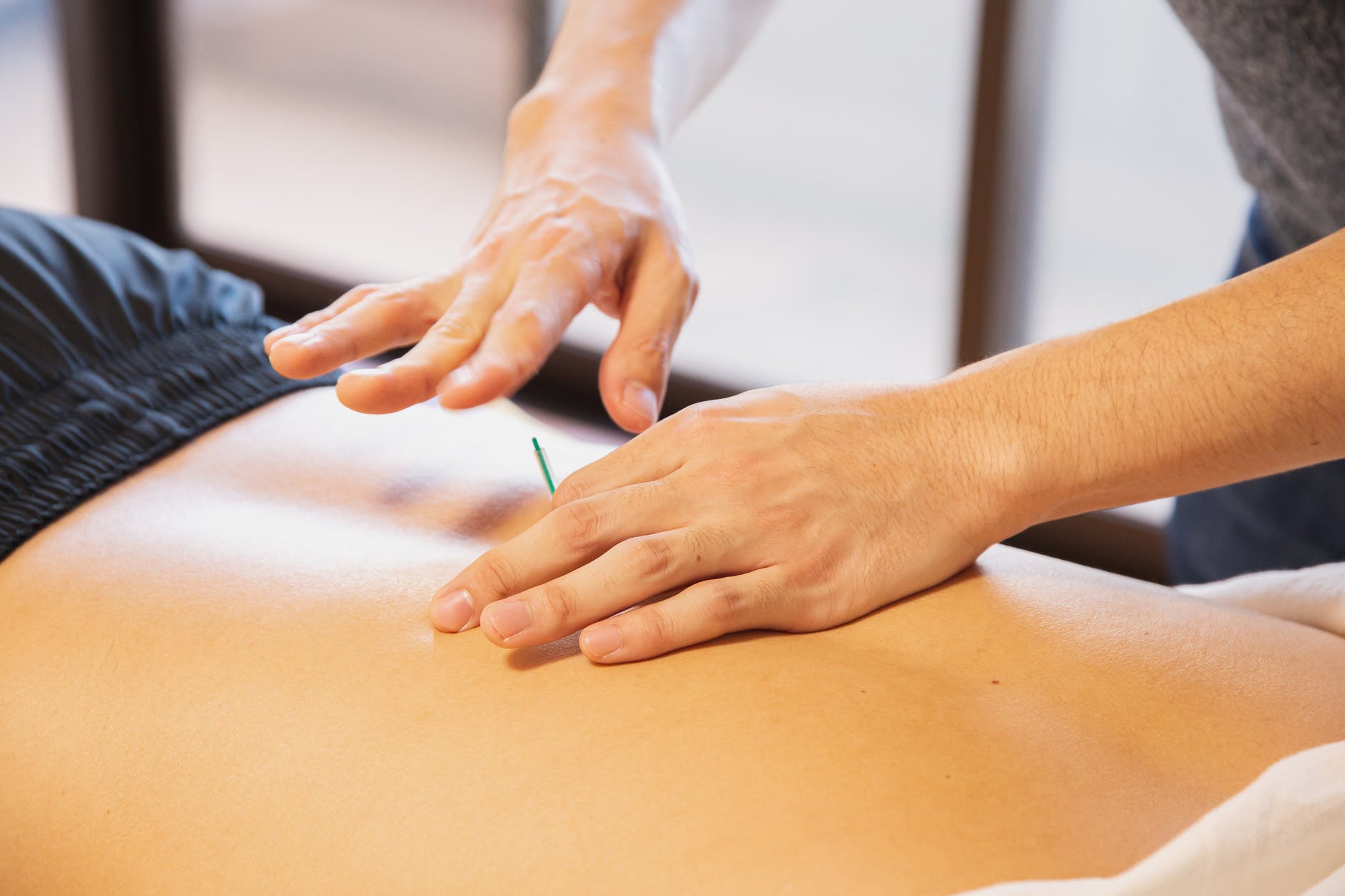
Get regular acupuncture, which can help calm the nervous system, balance energy, and bring homeostasis.