Tag: #California

  • Why are Fish Eggs so Amazing?

    Why are Fish Eggs so Amazing?

    Perhaps you’ve tried a classic sushi boat with salmon fish eggs in your favorite Japanese restaurant. And you found it oh so yummy but didn’t know too much about those reddish cylindrical things on top.

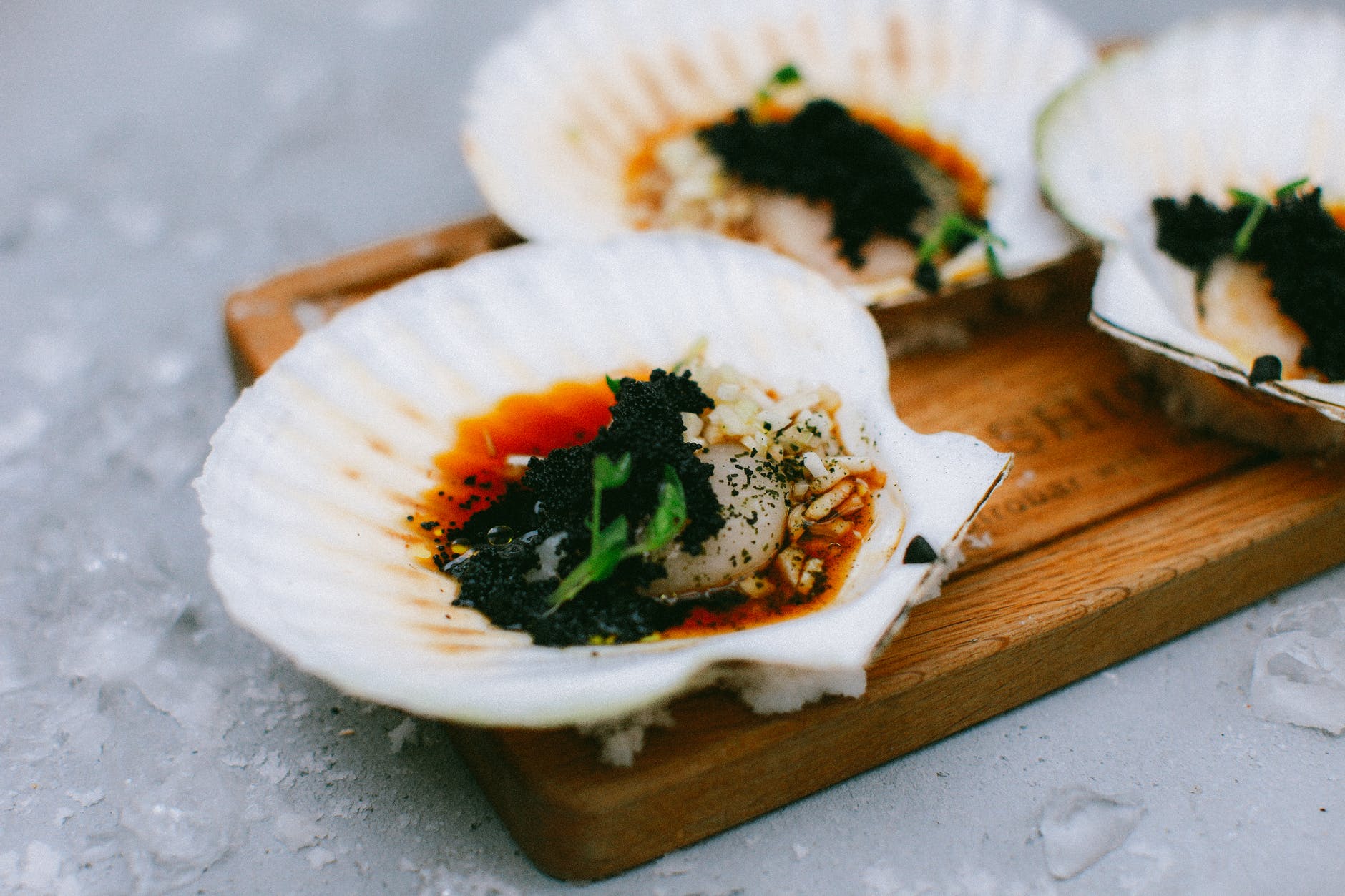
    Well, here’s the story. Fish eggs are called caviar or roe depending on what female fish they come from. Perhaps for their higher nutritional value, for their taste, or for cultural reasons, fish eggs from sturgeon (caviar) are valued at $100 an ounce compared with fish eggs from trout, salmon, whitefish, carp, or shellfish (roe), which are sold for approximately $10 an ounce.

    Regardless of your cash flow, roe are still great nutritional choices. Here’s why.

    Protein

    You need protein to build muscle strength, keep your body cells healthy, and deliver energy. One tablespoon of fish eggs provides between two and seven grams of protein. (To determine your necessary daily amount of protein, multiply your body weight times 0.36 grams).

    Fats

    Fish eggs contain good omega 3’s, which are heart healthy; they have more than anchovies and less than herring and sardines. 

    Carbs

    Fish eggs are low in carbohydrates. They have no significant fiber or sugar.

    The meaning and symbolism of the word - «Fish Eggs»

    Here is Where Fish Eggs Shine:

    Vitamins & Minerals

    They are a good source of vitamin B12, which helps maintain a healthy metabolism and heart. This vitamin is also important for the central nervous system and DNA synthesis.

    cooked food on white ceramic plate

    Fish eggs contain choline, which supports healthy fat and cholesterol transport in your body and supports cognitive function.

    They also contain magnesium and selenium. They both combine with proteins in your body to form antioxidants, which protect your cells from damage from free radicals and from infection.

    Magnesium is a co-factor in more than 300 enzyme systems that regulate diverse biochemical reactions in the body. Aside from protein synthesis, it regulates muscle and nerve function, blood glucose control, and blood pressure.

    Selenium is important for reproduction, thyroid gland function, and DNA production.

    In addition, fish eggs also contain other important nutrients, such as sodium, which your body requires to conduct nerve impulses, contract, and relax muscles, and maintain the proper balance of water and minerals.

    Phosphorous in fish eggs and creates strong bones and teeth. Vitamin D regulates the absorption of calcium and phosphorous and facilitates normal immune function.

    Fish eggs provide vitamin A, which you need for health vision, and immune and organ system health.

    Lastly, fish eggs are a good source of vitamin C, which protects your immune system, heart, and eyes.

    You can try fish eggs at home on slices of cucumber, on a blini (a small pancake), or on toast. It is recommended that you keep them in the coldest part of your fridge, and discard (if you have any left) after two to three days of opening the container. Also, you may want to use a “pearl” caviar spoon, or a plastic or wood spoon to scoop or eat your fish eggs, as they can pick up a metal taste.


  • Acupuncture in Belmont

    Acupuncture in Belmont

    What is Acupuncture?

    Acupuncture in Belmont – Your body is like land with a series of streams running through it. In Traditional Chinese Medicine theory (diagnosis, acupuncture, herbs, moxibustion, cupping) these streams are represented as channels of energy called meridians.

    You can’t see energy, but you certainly can feel it. When you’re feeling good, you say you have “high energy,” and when you’re under the weather, you say your energy is “low.”

    When a beaver builds a dam in a stream, the water flow is blocked or diverted. It’s the same with your channels of energy. Your energy can be blocked because your organs aren’t functioning at optimum levels.

    Acupuncture is a method of encouraging your body to heal itself by correcting the imbalances of energy (qi or chi) in your meridian system. Your acupuncturist facilities this healing by inserting needles in certain key locations along your meridians. 

    Acupuncture in Belmont

    Dr. Andrew Weil, an integrative medical doctor, says the benefits of acupuncture can extend to a wide variety of conditions, from emotional disorders (anxiety, depression) to digestive complaints (nausea, vomiting, irritable bowel syndrome). It’s also useful for pain syndromes due to an injury or associated with chronic degenerative diseases such as rheumatoid arthritis. 

    Acupuncture is also helpful in treating neurological problems like migraines or Parkinson’s disease, or as a rehabilitation strategy for individuals who suffered a stroke. Respiratory conditions, including sinusitis and asthma have been relieved with acupuncture, as have many gynecologic disorders and infertility. Acupuncture has also proved beneficial for reducing fatigue and addictions, and for promoting overall well-being.

    An acupuncturist, L.Ac., with a three-to-four-year schooling, is licensed upon completion of an exam administered by The Board of Medical Quality Assurance in California. An oriental medicine doctor, O.M.D., has obtained advanced training. 

    Elite Athletes Use Acupuncture

    The elite athletes in the National Basketball Association have been using acupuncture for decades to protect their bodies and maximize their effectiveness on the court. These athletes use acupuncture for relieving pain, loosening muscles, and reducing swelling. 

    In “USA Today Sports” (Dec. 30, 2017, Alex Kennedy) Shaquille O’Neal, famously of the Los Angeles Lakers, first tried acupuncture in 2002 when his big toe started acting up before the playoffs. With his healed toe from acupuncture, Shaq led his team that year to their third straight championship. Shaq said, “I’ve always been a connoisseur of ancient medicine.”

    Acupuncture for Digestive Healing – Acupuncture in Belmont

    Using acupuncture for digestive problems works by reducing inflammation of the stomach, along with its related organs, the small and large intestine, and the pancreas. Acupuncture also releases and stimulates enzyme and hormone production in these organs. 

    After a thorough medical history, your acupuncturist will explore all factors leading up to the onset of your issues, to discover root causes of your body’s disfunction.

    In addition to needling, your acupuncturist may prescribe Chinese herbs, supplements, and stress reduction techniques. Your acupuncturist may integrate food recommendations into your health program, which will be beneficial in the treatment of gastrointestinal problems.

    therapist pricking skin with needles during treatment procedure

    Your acupuncturist may use moxibustion – a technique of applying warm mugwort to acupuncture points – while you lie in a state of complete relaxation during your treatment. This herb is used as an anti-inflammatory agent and to correct imbalances.

    Cupping is another technique used in Tradition Chinese Medicine in which your acupuncturist puts special cups on your skin for a few minutes to create suction. This technique helps reduce pain and inflammation, while it increases blood flow and relaxation.

    Traditional Chinese Medicine can help resolve:

    • Ulcers
    • Constipation/Diarrhea
    • Indigestion
    • Food sensitivities
    • Inflammatory bowel conditions
    • Bloating/Distention/Burping
    • Lack of appetite/Excess hunger
    • General Gastritis

    You will be amazed at how well you body responds to proper nutrition with energy guidance. Try it out for yourself and get back to enjoying your meals!

    Acupuncture in Belmont and Atherton 2024
  • Where’s the Real Beef?

    Where’s the Real Beef?

    Why Eat Beef?

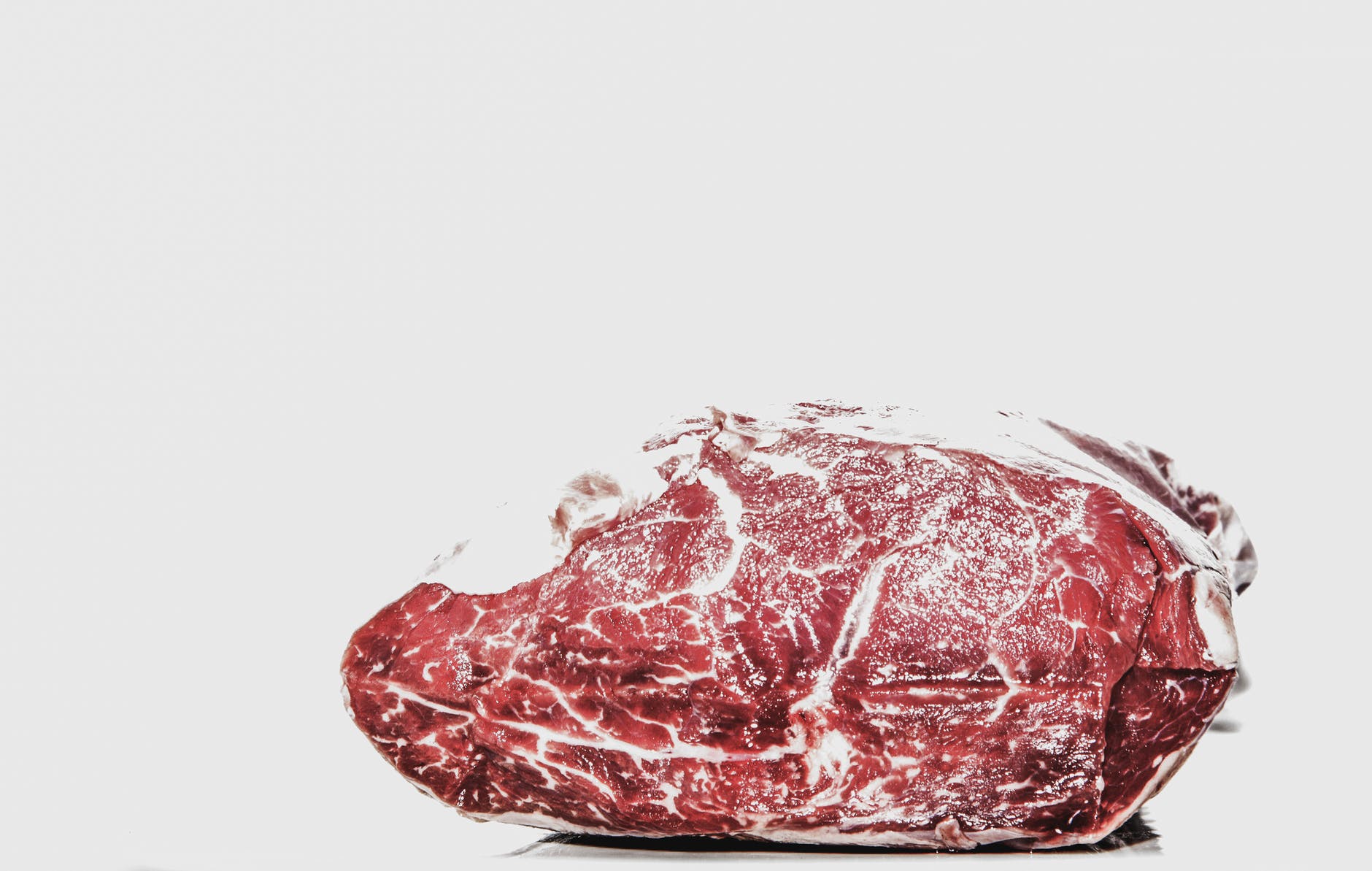
    Beef provides you with protein, iron, zinc, B Vitamins – especially Vitamin B12 – iodine, essential omega-3 fatty acids, phosphorus, carnitine, coenzyme-Q-10, and calcium. Red meat protects the heart and nervous system. 

    Plants don’t provide certain nutrients that animals do, so it’s harder for vegans and vegetarians to maintain sufficient protein intake. Their diet can also be low in fat with the risk of vitamin B12, iron, calcium, and zinc deficiencies. Vegans and vegetarians need a greater reliance on supplements to achieve essential nutritional requirements.  

    You may enjoy eating beef, not only because it tastes good, but because it plays a part in your cultural food experience and is therefore part of your identity: hot dogs at a baseball game, a Hot Pastrami sandwich, a beef Shawarma, a pepperoni pizza, a Philly Cheesesteak – you get the idea. 

    Grass-fed Beef is Much Healthier than Grain-fed

    herd of white and black cows on grass field
    Photo by Lukas Hartmann

    Grain-fed cattle start out eating grass but in a short while they are herded into huge feedlots where they are fed GMO corn and GMO soy until they are brought to market. According to the Weston A. Price Foundation, a non-profit dedicated to restoring nutrient-sense foods to the American diet, these cattle also eat bakery waste, rejects from candy factories, and waste from government-subsidized and protected ethanol plants.

    In addition, grain-fed cattle are given growth hormones, appetite-stimulating chemicals, and sub-therapeutic antibiotics. These materials go into your body with your grain-fed steak.

    In contrast, grass-fed cattle are raised outside on pastureland, eating nutrient-rich grasses, soaking up the sunshine, where they are enriching the soil with their manure.

    Some Environmentalists are Against Eating Beef Meat Because Cattle Emit Greenhouse Gases 

    Yes, cattle – through mainly belching, but also, flatulence – release methane that does pollute the environment. But what these environmentalists don’t know is that the methane from grass-fed cows doesn’t harm the environment because it goes into the ground through a process called carbon sequestration.

    In this process, grass-fed cattle are rotated across pasture lands. This encourages new grass growth, as the cows’ trampling works the manure and other organic matter into the soil, creating a rich humus. The plant roots also help maintain soil health by retaining water and microbes. 

    Healthy soil sequesters or traps carbon dioxide in the soil, keeping it from rising into the atmosphere.

    As cattleman Ridge Shinn, from his farm in Hardwick, Mass. said in TIME magazine (Lisa Abend, Jan. 25, 2010), “Conventional cattle raising is like mining. It’s unsustainable because you’re just taking without putting anything back. But when you rotate cattle on grass (Over the course of a year, his 100 cattle will rotate across 175 acres four or five time) you change the equation. You put back more than you take out.” By preventing overgrazing you are maintaining the integrity of the grasslands so it can continue to provide nourishment and not be destroyed by the cattle.

    What is the True Cost of Grain-Fed Beef Versus Grass-Fed?

    Grain-fed meat is cheaper because corporations processing cattle benefit from economy of scale. Take labor, for example. On a grass-based farm, a herd of 700 cows requires the care of three cowboys. On a corporate feedlot, three employees can handle 50,000 head of cattle.

    But the hidden costs of cheap food from massive producers includes the huge annual erosion and loss of topsoil from the production of grain; the pollution of the air, water, and soil; and the loss of farm families, farm communities, and small towns throughout the country.

    To budget for clean beef, it is best to consume a wide variety of meats – lamb, chicken, pork, wild fish, bison, etc. Organ meats are inexpensive and even more nutrient rich than muscle meats. Eating ground meats is another way to fit eating clean meat into your daily diet. Meaty bones are also good for making stock and broth. 

    Remember, ideal portions are less than one realizes; gauge your portion of meat from comparing it to the size of your palm.

    black and white dairy cow's head
    Photo by Jan Koetsier
  • The Real Cure for Heartburn and Acid Indigestion

    The Real Cure for Heartburn and Acid Indigestion

    You’ve just eaten lunch and rather than feel a satisfying fullness, you feel a burning pain in your lower chest—what we commonly call “heartburn.” No problem you think. The tv ads say when you “feel the burn,” just pop a Tums, or down some Alka Seltzer, acid-neutralizing aids.

    Those remedies work for a while, but soon you find they don’t help. So, you consult your doctor, who tells you to take an acid-suppressing drug like Prilosec. Your doctor tells you to take this drug because if you just suppress acid enough, you’ll beat back acid indigestion.

    Although you don’t feel the burn anymore, you might still be experiencing bloating, diarrhea, constipation, flatulence, or burping – common symptoms of dyspepsia, or upset stomach. But, there are drugstore remedies for these maladies also, and you partake.

    What’s Wrong with this Picture?

    In his book, “Why Stomach Acid is Good for You: Natural Relief from Heartburn, Indigestion, Reflux & GERD,” Johnathan V. Wright, M.D. explains that acid-neutralizing and acid-suppressing drugs are not a cure as conventional medicine claims, but rather a stop-gap measure that ultimately can do your body grave harm.

    To understand why this is true, you must focus on how your body works.

    Top Tips About Health: 7 Ways To Calm Your Upset Stomach

    Your Digestive System

    After you chew your food it makes its way down the esophagus, a tube passageway that deposits the food into your stomach. In your stomach the food is broken down, by both mechanical and chemical processes, so that nutrients can be extracted, absorbed into your bloodstream in the intestines, and distributed throughout your body. 

    If all systems are in good working order, your body uses all the nutrients from the food that you eat and you maintain good health. But, if the digestion cascade of events is compromised, the nutrients are not sent out to the right locations. It’s then that serious problems can arise, such as malnutrition, which can then lead to anemia, osteoporosis, cardiovascular disease, mental illness, insomnia, rheumatoid arthritis and more.

    What goes Awry?

    As counterintuitive as this may sound to you at first, you feel the burn because you have too little stomach acid, not too much! Yes, acid is causing the burn, but it’s because your stomach’s mechanisms aren’t functioning properly, not because you have too much acid in your stomach.

    Here’s how it works. There is a loss of acid-producing cells in the stomach lining. This can be linked to:

    • Age. Increasing age causes a fall-off in acid production, affecting more than 30% over 60, upsetting the acid/alkaline pH balance.
    • Missing nutrients that help create the hydrochloric acid
    • Irritating Foods
    • Other illnesses
    • Prescriptions drugs
    • Acid-suppressing drugs
    • Overeating
    • Stress

    So, what happens when there isn’t enough acid in the stomach? Eventually the function of the Lower Esophageal Sphincter (LES) is compromised. The LES is located at the entrance to your stomach at the end of the esophagus. 

    When it is functioning properly the LES closes as soon as the food is finished passing through the esophagus. If the LES doesn’t close all the way, acid from undigested food in your stomach will pass up into the lower region of the esophagus, irritating the delicate tissue lining, causing the burn you identify as acid indigestion.

    But why doesn’t the LES close properly? At the other end of your stomach sits another valve called The Pyloric Valve. This valve controls the flow of partially digested food as it moves from your stomach into your small intestine.

    If your food isn’t being digested properly because there isn’t enough acid in your stomach to do the job, the Pyloric Valve doesn’t open in a timely manner.  Your partially digested food sits in your stomach much too long, sloshing around, backing up and pushing against the LES, working away at it until it weakens, causing it to open at the wrong time.

    ☼

    The Cure for Acid Indigestion is to Replace the Lost Stomach Acid

    Antacids and acid-suppressing drugs are a temporary fix to a serious problem. Conventional medicine often just deals with symptoms. I deal with cures.

    By replacing the missing stomach acid with capsules containing Betaine Hydrochloric Acid, stomach acid, with every meal, you will regain normal stomach function, thereby eliminating acid indigestion a natural way. Betaine Hydrochloric Acid complements your body’s function thereby creating a healthy digestion cascade of events, repairing your stomach.

    The body is always trying to heal itself, if you work with it with the right vitamins, minerals, food, and other complementary treatments.

  • Healthy Sautéed Mushroom and Collard Greens

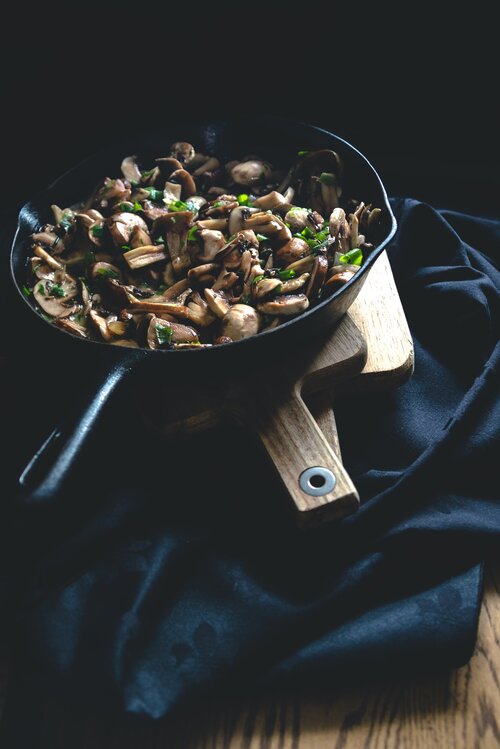
    Healthy Sautéed Mushroom and Collard Greens

    Servings and Timing

    • For 3 Persons
    • Preparation Time: 15m
    • Cooking Time: 15m

    Ingredients

    • 15 whole Shitake mushrooms, halved or quartered
    • 4 cup(s) collard greens (Swiss Chard and beet greens are great as well!)
    •  3 whole cloves garlic, minced
    • 0.5 cup(s) bone broth
    • 2 tablespoon(s) bacon fat or butter

    Healthy Sautéed Mushrooms and Collard Greens Directions

    1. Turn the stove-top on med-high heat. Add bone broth and butter while the pan is heating.  
    2. Once the butter is melted add the mushrooms and sauté them until tender (about 8 mins.). 
    3. Add salt, pepper, and minced garlic for the last 2-3 mins. while cooking the mushrooms.
    4. Cut the greens into small chunks and add to the sauté pan and stir until well-coated with the liquids.  Let cook until tender and well-wilted stirring frequently.
  • Prosciutto Wrapped Chicken Liver Skewers

    Prosciutto Wrapped Chicken Liver Skewers

    Servings and Timing

    • For 4 Dozen
    • Preparation time: 15m
    • Cooking time: 15m
    • Waiting time: 1hr

    Ingredients

    • 1 pound(s) chicken livers
    • 5 fresh twig(s) rosemary (5 to 6 inch long) woody rosemary branches
    • 2 cup(s) Milk, to cover
    • 2 pinch(es Sea salt and pepper (to taste)
    • 0.25 teaspoon(s) grated orange zest
    • 0.25 pound(s) sliced prosciutto (slices halved crosswise)
    • 2 tablespoon(s) cooking fat of choice (ghee, lard, or bacon fat recommended)
    • 1 tablespoon(s) minced shallots
    •  0.33 cup(s) white wine

    Prosciutto Wrapped Chicken Liver Skewers Directions

    1.Separate the chicken livers into individual lobes, discarding any that fall apart. Cover with milk and set aside for an hour (skip this step if sensitive to dairy).

    2.Strip all of the leaves from the rosemary branches except for an inch at the tip. Mince and reserve one-half teaspoon of the leaves.

    3.Rinse the livers and gently pat dry with a paper towel. Season with 1 teaspoon salt, freshly ground pepper and orange zest, and toss gently to mix well.

    4.Wrap each liver in a piece of prosciutto and thread it onto the rosemary branches. You should get about 4 livers to a branch.

    5.Melt the cooking fat in a large skillet over medium-high heat. When the butter is hot, add the chicken liver skewers and cook until the prosciutto crisps, 1 1/2 to 2 minutes per side.

    6.Remove the skewers to a warm tray, add the shallots and cook until softened, about 2 minutes.

    Add the white wine and the reserved minced rosemary, and cook, scraping up any brown bits stuck to the bottom of the pan, until the wine reduces to a syrup, about 3 minutes.7.Pour the sauce over the skewers and serve hot.

  • Basic Sauerkraut

    Basic Sauerkraut

    Servings and Timing

    • For 1 batch
    • Preparation time: 30m
    • Waiting time: 1 week- (if impatient), 1 month best

    Ingredients

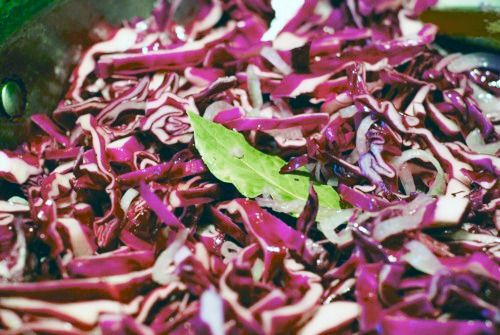
    • 1 large green or purple cabbage
    • 1 tablespoon Real salt or Celtic Salt
    • Filtered water as needed optional
    • 1 tablespoon caraway seeds optional (or, handful dill, or other herbs)

    Basic Sauerkraut Directions

    1. Rinse cabbage to just remove noticeable dirt. Slice into thin shreds or small pieces, to your preference, with a knife by hand or with a food processor. You may add caraway seeds.
    2. Mix cut cabbage thoroughly with the salt in a large bowl (metal is best) to blend. You may cover with a towel and let mixture sit for about 15 minutes to allow salt to begin the process. Use hands or a wooden pounder to massage crush the leaves until the juices begin to flow
    3. Pack the wilted cabbage tightly into your wide mouth jar, or into crock. Press cabbage down with hands or wooden pounder so liquid rises at least 1 inch above. Make sure there is at least 2 inches of space below lid. 
    4. You can add a little filtered water if not enough liquid has been produced.
    5. Screw lid on but not too tight, as gases will be produced and may need to be ‘burped’ daily. Or use an airlock, as used in beer making with special glass container.  , 
      www.makesauerkraut.com/fermentation-lids/. 
    6. Place on a plate, in case there is spillage, and place in dark corner or cupboard for at least one week. When you are satisfied with the taste you may place in the refrigerator. Enjoy alone or as a condiment to your entrees.
    7. There are many creative ways that you can enhance simple sauerkraut with additions of 1/4 or less (of the cabbage) of any veggie shredded or chopped; fennel, purple onion, carrot, raddish, etc. Be creative and experiment.
  • Turkey Apple Breakfast Patties

    Turkey Apple Breakfast Patties

    Servings and Timing

    • For 8
    • Preparation time: 20m
    • Cooking time: 15m

    Ingredients

    • 1 pound(s) ground turkey breast
    • 0.25 cup(s) finely chopped granny smith apple
    • 2 tablespoon(s) finely minced red onion
    • 2 tablespoon(s) finely minced sage (or ground fennel seed, or both)
    • 0.5 teaspoon(s) finely minced thyme
    • 3 tablespoon(s) olive oil
    • 0.5 teaspoon(s) freshly ground pepper
    • 0.5 teaspoon(s) salt

    Turkey Apple Breakfast Patties Directions

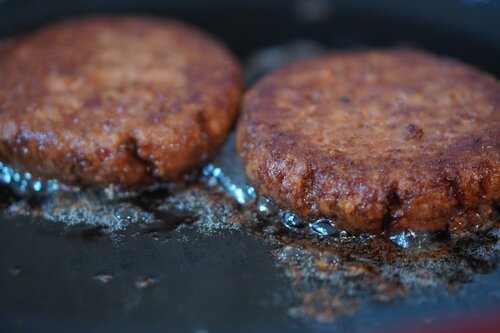
    1. In a large bowl, gently mix together the ground turkey, apple, onion, sage, thyme, 1 tbsp. of the olive oil, the salt, and pepper. Form the mixture into eight 4-inch patties, each about ½ inch thick.
    2. Heat remaining 2 tbsp. olive oil in a nonstick skillet over medium heat. Cook the patties for 3 to 4 minutes on each side, until firm to the touch.
    3. For pizza topping: don’t form patties, but brown the turkey in a skillet with 2 tbsp. of olive oil, breaking up all the larger pieces. Cook several minutes until cooked through. Transfer to a bowl to cool. Refrigerate until using.
  • Raw Almond Milk

    Raw Almond Milk

    Servings and Timing

    • For approximately 2 cups
    • Preparation time: 20m
    • Waiting time: 2d

    Ingredients

    • 2.5 cup(s) raw organic almonds
    • 3 cup(s) filtered water
    • 3  medjool dates (pitted)
    • Cheese cloth

    Raw Almond Milk Directions

    1. Soak 2.5 cups of raw organic almonds for 24-48 hours
    2. Rinse twice daily with filtered water
    3. Rinse and drain one final time
    4. Put almonds in Vitamix or other high powered blender
    5. Add 3 cups of filtered water 
    6. Blend at high speed until thoroughly blended
    7. Pour through cheese cloth to remove pulp (carefully squeeze out all liquid)
    8. Rinse out blender, put almond milk back in 
    9. Add 2-3 dates 
    10. Blend at high speed until thoroughly blended 
    11. Pour into glass jar and refrigerate 
    12. Fresh for 3-5 days
  • Pumpkin Pancakes

    Pumpkin Pancakes

    Servings and Timing

    For 4 dozen

    • Preparation time: 10 min 
    • Cooking time: 15 min

    Ingredients

    • 4  large eggs
    • 4  large egg whites
    • 1 cup(s) cooked or canned pumpkin
    • 0.5 cup(s) almond flour
    • 1 teaspoon(s) baking powder, alum free
    • 0.25 cup(s) coconut milk
    • 1 teaspoon(s) vanilla extract
    • 0.5 teaspoon(s) ground nutmeg
    • 0.5 cup(s) pecans, crushed, optional
    • 1 tablespoon(s) ghee or coconut oil (more if needed)

    Pumpkin Pancakes Directions

    1. Mix all ingredients, except pecans, in a large bowl.

    2. Heat a griddle or large skillet to medium heat and goat griddle/pan with butter or other fat source when hot.

    3. From here, traditional pancake rules apply with a slight modification. These will not bubble like traditional pancakes. The batter is a bit thicker.

    On medium heat the first side takes about 2-3 minutes to brown, then another 1-2 minutes on the other side.