What is Acupuncture?
Your body is like land with a series of streams running through it. In Traditional Chinese Medicine theory (diagnosis, acupuncture, herbs, moxibustion, cupping) these streams are represented as channels of energy called meridians.
You can’t see energy (maybe under LSD), but you certainly can feel it. When you’re feeling good, you say you have “high energy,” and when you’re under the weather, you say your energy is “low.”
When a beaver builds a dam in a stream, the water flow is blocked or diverted. It’s the same with your channels of energy. Your energy can be blocked because your organs aren’t functioning at optimum levels.
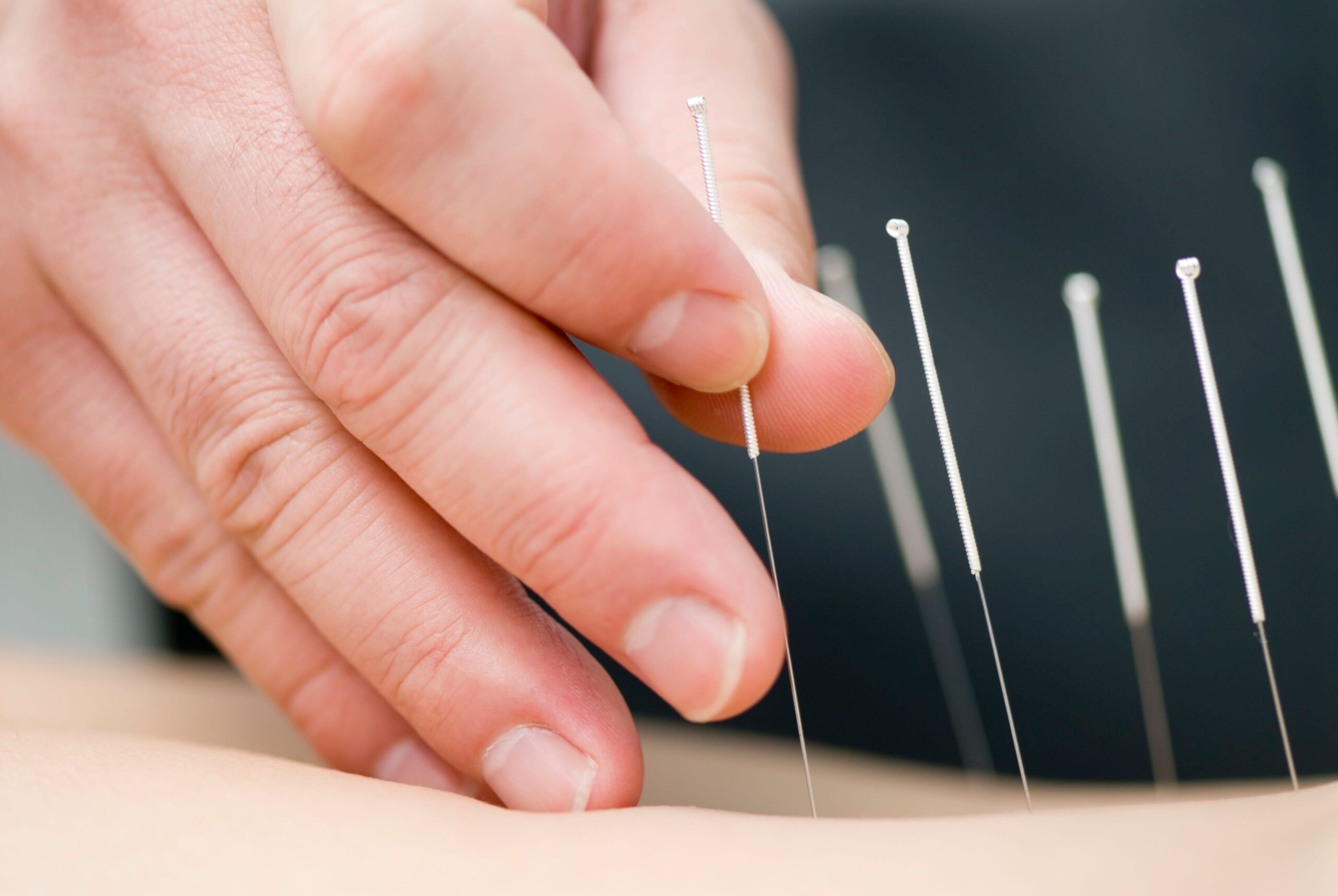
Acupuncture is a method of encouraging your body to heal itself by correcting the imbalances of energy (qi or chi) in your meridian system. Your acupuncturist facilitates this healing by inserting needles in certain key locations along your meridians.
Dr. Andrew Weil, an integrative medical doctor, says the benefits of acupuncture can extend to a wide variety of conditions, from emotional disorders (anxiety, depression) to digestive complaints (nausea, vomiting, irritable bowel syndrome). It’s also useful for pain syndromes due to an injury or associated with chronic degenerative diseases such as rheumatoid arthritis.
Acupuncture is also helpful in treating neurological problems like migraines or Parkinson’s disease or as a rehabilitation strategy for individuals who suffered a stroke. Respiratory conditions, including sinusitis and asthma, have been relieved with acupuncture, as have many gynecologic disorders and infertility. Acupuncture has also proved beneficial for reducing fatigue and addictions, and for promoting overall well-being.
An acupuncturist, L.Ac., with a three-to-four-year schooling, is licensed upon completion of an exam administered by The Board of Medical Quality Assurance in California. An oriental medicine doctor, O.M.D., has obtained advanced training.
Elite Athletes Use Acupuncture
The elite athletes in the National Basketball Association have been using acupuncture for decades to protect their bodies and maximize their effectiveness on the court. These athletes use acupuncture for relieving pain, loosening muscles, and reducing swelling.
In “USA Today Sports” (Dec. 30, 2017, Alex Kennedy) Shaquille O’Neal, famously of the Los Angeles Lakers, first tried acupuncture in 2002 when his big toe started acting up before the playoffs. With his healed toe from acupuncture, Shaq led his team that year to their third straight championship. Shaq said, “I’ve always been a connoisseur of ancient medicine.”
Acupuncture for Digestive Healing
Using acupuncture for digestive problems works by reducing inflammation of the stomach, along with its related organs, the small and large intestine, and the pancreas. Acupuncture also releases and stimulates enzyme and hormone production in these organs.
After a thorough medical history, your acupuncturist will explore all factors leading up to the onset of your issues, to discover the root causes of your body’s dysfunction.
In addition to needling, your acupuncturist may prescribe Chinese herbs, supplements, and stress reduction techniques. Your acupuncturist may integrate food recommendations into your health program, which will be beneficial in the treatment of gastrointestinal problems.
Your acupuncturist may use moxibustion – a technique of applying warm mugwort to acupuncture points – while you lie in a state of complete relaxation during your treatment. This herb is used as an anti-inflammatory agent and to correct imbalances.
Cupping is another technique used in traditional Chinese Medicine in which your acupuncturist puts special cups on your skin for a few minutes to create suction. This technique helps reduce pain and inflammation, while it increases blood flow and relaxation.
Traditional Chinese Medicine can help resolve:
- Ulcers
- Constipation/Diarrhea
- Indigestion
- Food sensitivities
- Inflammatory bowel conditions
- Bloating/Distention/Burping
- Lack of appetite/Excess hunger
- General Gastritis
You will be amazed at how well your body responds to proper nutrition with energy guidance. Try it out for yourself and get back to enjoying your meals!
Shelley H. Lane, OMD, L.Ac, NTP.