Category: Tips and Blogs

  • Winter Care: Balance Your Body, Nourish Your Soul

    Winter Care: Balance Your Body, Nourish Your Soul

  • Acupuncture for Digestive Health

    Acupuncture for Digestive Health

    What is Acupuncture?

    Your body is like land with a series of streams running through it. In Traditional Chinese Medicine theory (diagnosis, acupuncture, herbs, moxibustion, cupping) these streams are represented as channels of energy called meridians.

    You can’t see energy (maybe under LSD), but you certainly can feel it. When you’re feeling good, you say you have “high energy,” and when you’re under the weather, you say your energy is “low.”

    When a beaver builds a dam in a stream, the water flow is blocked or diverted. It’s the same with your channels of energy. Your energy can be blocked because your organs aren’t functioning at optimum levels.

    Acupuncture is a method of encouraging your body to heal itself by correcting the imbalances of energy (qi or chi) in your meridian system. Your acupuncturist facilitates this healing by inserting needles in certain key locations along your meridians.

    Dr. Andrew Weil, an integrative medical doctor, says the benefits of acupuncture can extend to a wide variety of conditions, from emotional disorders (anxiety, depression) to digestive complaints (nausea, vomiting, irritable bowel syndrome). It’s also useful for pain syndromes due to an injury or associated with chronic degenerative diseases such as rheumatoid arthritis.

    Acupuncture is also helpful in treating neurological problems like migraines or Parkinson’s disease or as a rehabilitation strategy for individuals who suffered a stroke. Respiratory conditions, including sinusitis and asthma, have been relieved with acupuncture, as have many gynecologic disorders and infertility. Acupuncture has also proved beneficial for reducing fatigue and addictions, and for promoting overall well-being.

    An acupuncturist, L.Ac., with a three-to-four-year schooling, is licensed upon completion of an exam administered by The Board of Medical Quality Assurance in California. An oriental medicine doctor, O.M.D., has obtained advanced training.

    Elite Athletes Use Acupuncture

    The elite athletes in the National Basketball Association have been using acupuncture for decades to protect their bodies and maximize their effectiveness on the court. These athletes use acupuncture for relieving pain, loosening muscles, and reducing swelling.

    In “USA Today Sports” (Dec. 30, 2017, Alex Kennedy) Shaquille O’Neal, famously of the Los Angeles Lakers, first tried acupuncture in 2002 when his big toe started acting up before the playoffs. With his healed toe from acupuncture, Shaq led his team that year to their third straight championship. Shaq said, “I’ve always been a connoisseur of ancient medicine.”

    Acupuncture for Digestive Healing

    Using acupuncture for digestive problems works by reducing inflammation of the stomach, along with its related organs, the small and large intestine, and the pancreas. Acupuncture also releases and stimulates enzyme and hormone production in these organs.

    After a thorough medical history, your acupuncturist will explore all factors leading up to the onset of your issues, to discover the root causes of your body’s dysfunction.

    In addition to needling, your acupuncturist may prescribe Chinese herbs, supplements, and stress reduction techniques. Your acupuncturist may integrate food recommendations into your health program, which will be beneficial in the treatment of gastrointestinal problems.

    Your acupuncturist may use moxibustion – a technique of applying warm mugwort to acupuncture points – while you lie in a state of complete relaxation during your treatment. This herb is used as an anti-inflammatory agent and to correct imbalances.

    Cupping is another technique used in traditional Chinese Medicine in which your acupuncturist puts special cups on your skin for a few minutes to create suction. This technique helps reduce pain and inflammation, while it increases blood flow and relaxation.

    Traditional Chinese Medicine can help resolve:

    • Ulcers
    • Constipation/Diarrhea
    • Indigestion
    • Food sensitivities
    • Inflammatory bowel conditions
    • Bloating/Distention/Burping
    • Lack of appetite/Excess hunger
    • General Gastritis

    You will be amazed at how well your body responds to proper nutrition with energy guidance. Try it out for yourself and get back to enjoying your meals!

    Shelley H. Lane, OMD, L.Ac, NTP.

    www.purefoodsdoctor.com

    shelleylaneomd@gmail.com

  • Why Real Food?

    Why Real Food?

    Real Food is simply food in its original form. That means that nothing has been added to it or subtracted from it. It comes in the form that nature created it.

    The evolution of our food has disconnected the populous from its source.  Many people in today’s world no not from where their food comes.

    The organic food movement began as a result of the use of synthetic nitrogen fertilizers and pesticides in the early days of industrial agriculture. http://theorganicsinstitute.com/organic/history-of-the-organic-movement/. Later on,  there were people such as Rudolf Steiner who developed biodynamic agriculture, an organic farming method http://www.rudolfsteinerweb.com, Alice Waters, was a pioneer of the organic food movement in the US and the originator of the infamous Chez Panisse Restaurant in Berkeley. Weston A. Price, a dentist in the 1930’s, traveled the world and discovered that indigenous people who consumed only pure nutrient dense traditional foods, were far healthier than the western population www.wapf.com, The slow food movement was also a group evolved in reaction to our changing food economy.  http://www.slowfoodusa.org.

    These people were lovers of food and knew the difference between real food and man-made synthetic substances. Not only is the taste superior, there are actual biochemical and nutritionally beneficial reasons for the choice to eat real food. Our bodies know the difference and cannot really absorb synthetic vitamins (not recognizable)

    Each and every one of our bodily functions are dependent on particular nutrients. In order to sustain good health, the essential nutrients from pure foods are necessary

    As the native people of Dr Price’s investigation displayed, a diet rich in what was in the surrounding environment, unspoiled and in its pure form, provided them with all that they needed to be vibrant and healthy. In fact, Dr, Price, was particularly interested in their teeth, and surmised that the problems with the teeth of populations that consumed a “western diet”; deformed dental arches, dental caries, crowded and crooked teeth, were a result of nutritional deficiencies. He also discovered that with the straight and strong teeth came healthy bodies, strong immune systems and healthy minds.  

    One must realize the connection between organic agriculture, which contributes to growing healthy and sustainable food, and our health. It is a circle. The microorganisms and trace minerals are key to the health of the soil and then in turn the nutrient value of the food. The use of only 2 ingredients in a synthetic fertilizer, reduces most of the essential nutrients that our bodies require. The addition of pesticides and herbicides contributes to the toxic load that our bodies have to deal with. 

    If we examine the reduction of traditional “homemade” foods in our culture, we see a direct relationship between that and the declining health of the western world. The modern diet in mostly comprised of processed grains made into different products. These products have been stripped of their essential nutrients, Examination of the ingredients listed you will see soy, wheat, sugar, corn and chemicals with names you could not pronounce.  It is always best to be able to identify what you are eating.

    We have been misled to believe that foods in their natural state are unhealthy and need to be reduced in fats, cholesterol, etc. Meanwhile,. healthy fats contain fat–soluble vitamins which are essential to our body function and necessary for optimal health.

    So let’s keep our food they way Mother Nature intended and enjoy the natural flavors the way they were meant to be. No need to reinvent the wheel!

  • Use Healthy Cooking Oils. Avoid Unhealthy Ones

    Use Healthy Cooking Oils. Avoid Unhealthy Ones

    The History of Cooking Oils

    Up until the 1950s, Americans used saturated or monosaturated fats to cook with –
    butter, lard, tallow, and coconut oil. Coronary heart disease was relatively rare.

    But in the late 50s, Ancel Keys came up with the Lipid (Fat) Hypothesis. Keys said that
    he proved a direct relationship between the amount of saturated fat and cholesterol in
    the diet and the amount of coronary heart disease. (It was discovered much later that
    Keys cherry-picked his data, causing his whole study to be flawed.)

    Because of the publicity he got, his idea stuck and opened the door for the industry to
    make vegetable oils with a proliferation of polyunsaturated fats. It also led to the low-fat
    and non-fat diet craze as people stopped eating butter and ate margarine instead.

    What happened since the 50s? The incidence of heart disease has skyrocketed to
    where today it is the number one killer of women and men. What changed? The
    American diet.

    Since the 1950s, dietary cholesterol increased by only 1%. However, the percentage of dietary vegetable oils in the form of margarine, shortening, and refined oils increased by about 400%. The consumption of sugar (to compensate for the lack of taste of low-fat) and processed foods increased by about 60%.

    Why are Polyunsaturated Fats Dangerous?
    Your body makes only saturated fat and monounsaturated fat. You must get
    polyunsaturated fat, an “essential fat,” from food such as walnuts. sunflower seeds, flax
    seeds or flax oil, and fish, such as salmon, mackerel, herring, albacore tuna, and trout.

    Polyunsaturated fats are only dangerous when they are processed from seeds in big
    industrial fat factories.

    Unlike coconut or olive oil, which can be extracted through a slow-moving stone press,
    seed oils like canola, soybean, and corn oil require a harsh extraction process.

    The large factories subject the seeds to high heat exposing them to damaging light and
    oxygen. Then, to extract the last 10% or so of oil, the processor treats the seeds with
    toxic solvents – usually hexane.

    This high-heat processing causes the fragile and unstable omega-3 linolenic acid in
    polyunsaturated fats to break apart creating dangerous free radicals. The process also
    destroys the antioxidants, such as fat-soluble vitamin E, which protects the body from
    the ravages of free radicals.

    If that isn’t horrifying enough, BHT and BHA, both suspected of causing cancer and
    brain damage, are often added to these oils to replace the vitamin E and other natural
    preservatives destroyed by heat.


    The Health Hazards of Cooking with Unhealthy Oils
     Vegetable oils are high in Omega-6 fatty acids, especially linoleic acid, which is a
    precursor to pro-inflammatory eicosanoids. These molecules can cause chronic
    inflammation and contribute to autoimmune diseases.
     Diets high in linoleic acid cause oxidative stress, mitochondrial dysfunction, and
    genetic damage. These factors are instrumental in promoting cancer.
     The Minnesota Coronary Experiment found that participants who increased their
    intake of corn oil had an 86% higher incidence of heart attacks.

    Unhealthy Cooking Oils


     Sunflower Oil
     Soy Oil
     Cottonseed oil
     Safflower oil
     Corn oil
     Rice bran oil
     Grapeseed oil
     Canola oil

    Healthy Fats and Healthy Cooking Oils

    After decades of being duped into eating unhealthy processed polyunsaturated fats,
    The American public got a wake-up call. In 2014, “Time” magazine ran a cover story, “Eat
    Butter: Scientists Labeled Fat the Enemy. Why They Were Wrong. “

    Sadly, we haven’t heeded the call because the idea of fat as public enemy number one
    is still deeply embedded in our culture. This belief persists even though eating a diet of
    refined carbohydrates and low or no-fat products has produced a population that is
    more than one-third overweight.

    In addition, type 2 diabetes has increased by 166% from 1980 through 2012.


    Here are just a few of The Healthy Cultures that Eat Saturated Fat
     India – Northern Indians consume 17 times more animal fat than Southern
    Indians have a 7% lower incidence of coronary heart disease.
     Eskimos – They eat liberal amounts of animal fat from fish and marine animals
    are free of disease and are exceptionally hardy.
     China – In a region in which the populace consumes large amounts of whole milk
    they have half the rate of heart disease than in regions eating small amounts of
    animal products.
     Okinawans – The average life span for women is 84, higher than in Japan. They
    eat generous amounts of pork and seafood and do all their cooking using lard.


    Unprocessed Cholesterol in Saturated Fats is Vital for your Health:
     Cholesterol is vital for the manufacture of balanced hormones that protect you
    from everyday stress. These hormones are protective against heart disease and
    cancer.
     Cholesterol is needed to make all the sex hormones including testosterone,
    estrogen, progesterone, and DHEA.
     The body needs cholesterol to properly use vitamin D, which is critical to all body
    systems including the bones, nerves, proper growth, mineral metabolism, muscle
    tone, insulin production, fertility, and strong immunity.
     Cholesterol acts as a powerful antioxidant in the body and protects it against free
    radical damage to the tissues.
     Cholesterol is needed by the liver so it can make bile salts, which are critical to
    the digestive process and absorption of dietary fats.

     The brain needs cholesterol to function properly. Cholesterol is used by serotonin
    receptors, serotonin being the body’s natural “feel good” chemical. Low
    cholesterol levels have been associated with aggressive and violent tendencies,
    depression, and suicide.
     Cholesterol is necessary for the proper functioning of the intestines and
    for maintaining the integrity of the intestinal wall, as well as all cell walls. Low
    cholesterol diets can lead to “leaky gut” syndrome and other digestive problems.


    Mother’s milk, the most perfect food on the planet, provides a higher proportion of
    cholesterol than almost any other food. It also contains over 50% of its calories as fat,
    much of it saturated fat.

    If your serum cholesterol levels are high, your body is sending cholesterol, acting as an
    antioxidant, to repair structurally weak blood vessels damaged by eating excess
    polyunsaturated fats.

    Healthy Cooking Oils
     Olive oil (at low heat only)
     Butter
     Ghee
     Tallow
     Lard
     Chicken/Duck Fat
     Red Palm Oil
     Coconut oil

    This discussion is another example necessary to maintain a healthy vibrant body. Eating
    healthy fats is akin to a slow-burning log burning for a long time versus kindling, which
    burns quickly. You will feel more satiated after each meal and for a longer period.
    Enjoy Your Fats!

    Shelley H. Lane, OMD, L.Ac, NTP.

    www.purefoodsdoctor.com

    shelleylaneomd@gmail.com

  • Enjoy Your Lipids (Fats) – You Need Them

    Enjoy Your Lipids (Fats) – You Need Them

    Did you know that your body needs fats to function properly?

    Did you know that many modern diseases could be a result of a lack of good-quality fats?

    Did you know that it makes a difference which fats you consume and how you cook with them?

    Triglycerides, which lipids are made up of, are made in the liver and stored when they have not been used for energy.

    If the triglyceride is liquid at room temperature it is called an oil, if it is solid, it is called a fat.

    Excess carbohydrates that are not needed to make energy (ATP) become stored fat in the adipose tissue. Excess protein that is not used for tissue building and repair, is dealt with differently.

    Most of the fat is broken down in the small intestine by enzymes called lipase after the bile acids have emulsified them. Various forms of fats travel through the intestinal walls and into the lymph system and are re-made into triglycerides.

    The long-chain fatty acids must be transported to the liver through the lymph via chylomicrons but the short and medium-chain fatty acids can go directly into the portal blood and to the liver for energy production. Once the long-chain fatty acids arrive at the liver they can be broken down again into ATP. This process is called beta-oxidation. If this energy is not needed at the time, it is stored as triglycerides in adipose tissue.

    Unlike carbohydrate digestion, fats allow for a slow release of energy, which lasts for a longer period. This also allows for the body to absorb more of the nutrients that come with fats (fat-soluble vitamins). Usually, when consuming healthy fats, one tends to become satiated and does not tend to overeat. In other words, it’s easier to consume excess carbohydrates than fats, and they are more likely to contribute to your adipose tissue.

    The concern about Saturated Fats clogging things up(like arteries) is patently unsubstantiated. Firstly, no edible fats are 100% anything. They are all a mixture of saturated, monosaturated, and polysaturated fats. For example, olive oil is 15% saturated, 73% monosaturated, and 10% polyunsaturated. Lard is 44% saturated, 45%monosaturated, and 11% polyunsaturated. They are named by their predominant fat.

    Dr. Mary Enig, a lipid biochemistry expert, who spent her life studying the subject, put it well…. “The idea that saturated fats cause heart disease is completely wrong, but the statement has been ‘published’ so many times over the last three or more decades that it is very difficult to convince people otherwise unless they are willing to take the time to read and learn what all the economic and political facts were that produced the anti-saturated-fat agenda”.

    Saturated fats have been demonized by the industrialized food industry (perhaps for monetary reasons) when the opposite is true. We need good fats to be healthy.  Heart disease is a result of synthetic, poor-quality fats and a lack of good fats, which contribute to inflammation. Cholesterol alone is not the enemy.  It is the combination of high blood triglycerides and high levels of inflammatory markers (c-reactive protein-which is not commonly checked) that create a dangerous situation.  The cholesterol is merely the agent trying to patch up the damage done by inflammation.

    Besides the benefits listed below, saturated fats are heat stable and not easily oxidized (not likely to react chemically with oxygen and become rancid.)  Whereas, transfats, which are polyunsaturated fats that have been heated and chemically altered, are rancid and cause many problems. (like inflammation). The most abundant, and commonly used polyunsaturated in the processed food world are mostly omega-6s. Oils such as soybean, canola, corn, cottonseed, sunflower, and safflower are cheap to produce and widely used (and genetically modified).  They lower the HDL cholesterol (the so-called good) and raise the dangerous LDL cholesterol (LP(a). Besides disrupting cellular function on many levels, transfats have been tied to heart disease, diabetes, cancer, low birth weight, obesity, and immune dysfunction.

    In the discussion of inflammation though, the quality of the oil can make or break the situation. You need all of the omegas but it is the quality of them that is the key to the inflammatory control function of prostaglandins. Since saturated fats are more stable, the concern is more with the fragile polyunsaturated. I cannot stress enough the importance of organically grown, properly processed oils. Don’t heat the vegetable oils, except for avocado, coconut, palm, and olive (at low heat).

    When you feed cell membranes low-quality materials, there are consequences.

    Inflammation that is produced by poor fats cannot be resolved without good fats.

    If you are following the growing current research on the importance of good quality foods on our health, you might have heard that butter is now acceptable in the mainstream world.  Traditional societies have used fats since the beginning of time and did not suffer from diseases such as obesity and diabetes. The latest research points to the modern synthetic diet as a major causative factor in modern diseases. Amazingly enough, the rise of these polyunsaturated oils coincides with the rise of epidemic cardiovascular disease.  MI’s (myocardial Infarctions), were rare at the beginning of the 1900’s.

    When the food processing industry flooded the media with their self-funded “lipid hypothesis” studies, animal fats became a bad word in this country. The French did not seem to adhere to these rules and continued with their high fat crèmes, pates, and other delicious foods. In the Gascony Region, where the French are consuming large amounts of duck and goose liver, the rate of coronary heart disease is remarkably low at 80 per 100,000.* There are many examples of this around the world.

    No one stopped to study the research more carefully(took direction from the food industry) and wondered why this sudden switch in the American diet had sustained us for so long.

    The bottom line is, besides inflammatory issues– No fats, No fat-soluble vitamins, and a lot of other systems not working.

    These vitamins such as A, D, E, and K, are so invaluable that we actually cannot survive without them. They are major components of the foods that once were commonly consumed but have been avoided in the last 60 or more years.

    NO eggs, No butter, No lard, No tallow, No bacon, No whole milk?

    What did we eat?

    We ate a lot of fake stuff. You could not call it food, because it had no nutritional value, not very good taste, and not many ingredients that were not chemicals (but people got addicted to salt and sugar, so it tasted good to them). These laboratory-created substances still line the shelves of most supermarkets.

    Have you ever heard of the example of the margarine and the butter that is left outside for several days? The wild animals don’t go near the margarine, but the butter is completely devoured. Perhaps the animals are smarter than we are, or maybe their taste buds have not been sabotaged.

    Fatty Acids (Lipids) Do a Lot of Good for our Bodies.

    1. Every cell in the body is made up of an outer lipid layer; which is made of fatty acids. The structure of the membranes is of key importance to its function.

    2. Cholesterol, made of fatty acids, is a main component of the cell membrane. The flexibility and endurance of these membranes depend upon a healthy and stable fatty acid supply. If the source is of poor quality, such as in transfats, the membranes are compromised. That means it is hard for nutrients to get absorbed and hard for toxic materials to leave…

    3. The manufacture of healthy cholesterol and healthy bile supports good liver function.

    4. Cholesterol is the major building block of all steroid hormones; which are the sex hormones.

    5. The body needs cholesterol to produce Vitamin D on the skin surface in response to UVB radiation from the sun.

    6. The brain is 60% fat

    7. You need healthy fat to absorb fat-soluble vitamins.

    8. You do not get fat from eating fat the opposite is true.

    9. Adequate use of proteins depends on fats

    10. Management of the inflammatory processes

    11. Protective lining for all the organs of the body

    12. Eating fat with your food makes it taste so much better.

    13. Eating fat with a meal helps it to last longer in your system, hence you stay satisfied longer and your blood sugar stays balanced. Think, of a slow-burning log rather than a Kindle.

    Omega 3 (polyunsaturates) sources: Fish oil, Pumpkin, flax seed oil, walnut, hemp

    Omega 6 (polyunsaturated) sources: sunflower oil, sesame oil, safflower oil, peanut oil, black current seed, evening primrose, and borage.

    Omega 9 (polyunsaturates) sources: Extra virgin oil, hazelnut oil, almond oil, avocado oil

    Saturated sources: animal fats, raw dairy, butter, coconut oil, eggs, palm oil.

    The Fat-Soluble Vitamins Produced by Lipids

    1. The functions of vitamin D are numerous and they are obtained best through animal fats.

    2. Vitamin D is a steroid hormone that controls the expression of two hundred genes and the proteins those genes regulate.

    3. It is crucial for mineral metabolism; working with Vit A and Vit K to absorb calcium, magnesium, and phosphorus, and deliver them to the right place in the body.

    4. Vitamin D promotes calcium absorption from the intestines and assists the parathyroid hormone to maintain proper blood calcium levels.

    5. Vitamin D even contributes to neurotransmitter biosynthesis, as in serotonin.

    6. Vitamin D plays an important role in immunity, cell growth, and healing, and therefore its deficiency is now being tied to autoimmune disease.

    Fat Soluble Vitamin D sources: liver and other organ meats, pastured eggs, raw cheese, butter, marine oils, and seafood (especially shrimp and crab).

    Fat Soluble Vitamin A sources: cod liver oil, liver, and other organ meats, pastured eggs, raw cheese, butter

    1. Converted from dietary retinol to retinal.

    2. Promotes vision, and a deficiency can lead to blindness,

    3. Skin health – maintenance of the structure and function of the epithelial tissues that line the inside and outside of the body. Think – almost every bodily organ including respiratory.

    4. Retinol boosts immunity through tissue maintenance and the production of antibodies and white blood cells.

    5. Bones and teeth are dependent on vitamin A for the remodeling process. Vitamin A works in conjunction with vitamin D and vitamin K to repair and retain bone material.

    6. Crucial for nearly all parts of the developing fetus.

    7. In the reproductive system, it is essential for the production of hormones and sperm production, and it even assists in a healthy gestation process.

    8. Vitamin A promotes cell differentiation, which inhibits tumor development and can therefore protect against cancer.

    9. Beta-carotene is not a good source of vitamin A; not much of it can get converted to retinol. It has other beneficial uses though.

    Fat Soluble Vitamin E sources: unrefined vegetable oils, liver and other organ meats, pastured eggs, raw cheese, grains, nuts, seeds, legumes and dark green leafy vegetables

    1. The main role of the immune system is its antioxidant activity.

    2. It is a lipid-soluble antioxidant and protects against free radical damage to long-chain polyunsaturated fatty acids in the membranes of cells. (think, denatured vegetable oils)

    3. The more denatured polyunsaturated fats you eat, the more E you need.

    4. Vitamin E plays a role in the release of hormones from the pituitary gland.

    Vitamin K2 – Needs Lipids and Fat-Soluble Vitamins to be Activated

    1. Many newly discovered forms of vitamin K are still being researched. Phylloquinone (K1) is the most well-known for its role in blood clotting. Menaquinine (K2) has just recently been given its attention.

    2. K2 was discovered by Dr. Weston A. Price in the early 1900s (named activator X), but it was not analyzed seriously by the medical community.

    3. It is now known that this vitamin contains crucial activating roles in bone and dental health- calcium metabolism.

    4. Proper calcium metabolism, which affects numerous systems in the body, is K2-dependent. The proteins that are responsible for the deposition of calcium and phosphorus into the bones and teeth are dependent on K2 to be activated. The proteins that are responsible for moving calcium out of soft tissue are also dependent on K2 to be activated. (think -the heart vessels).

    5. Proper facial development in utero is dependent on K2.

    6. If the K2-dependent proteins are not activated they can initiate diseases related to calcium metabolism.

    7. Linked to Alzheimer’s Disease, wrinkles, decreased kidney filtration, varicose veins, and hemorrhoids. (Calcium deposits in the wrong places).

    Sources: grass-fed butter and ghee, raw cheese, raw fermented vegetables such as sauerkraut, Liver, natto, goose liver pate, pastured eggs, goose, grass-fed beef, and wild game.

    How, you may ask, did we miss these so very important nutrients? The answer usually comes back to the same thing.

    Our traditional food sources that our bodies were evolutionarily designed to handle have been altered. We have not been eating the foods that Mother Nature provided us in our surroundings. We have messed with nature!  In fear of fat – we removed the skin on the chicken (the best part) and settled for that dry boneless/skinless variety. We ate those cholesterol-free egg whites (eck), fat-free milk (might as well drink water), margarine (I never did), fat-free sour crème (what’s the point?), coffee creamer (ruins the coffee), low-fat cheese (no brie?) and the list goes on.

    This approach to food took all the joy out of eating and created unnecessary illness. This is why nutrition educators have such an important role in today’s healthcare. We feel that if people re-learned the basics of healthy eating we could return to a culture of healthy strong-minded individuals.

    General Guidelines for Eating Healthy Fats

    1. Use saturated fats for high heat – Butter/ghee, tallow, lard, chicken, duck, red palm oil, and coconut oil.

    2. Use polyunsaturated (never heat) – for salads, dressings, dips, walnut, almond, flax seed, pumpkin, evening primrose, and black current.

    3. Use olive, avocado, sunflower sesame for low heat only (sautéing, stir fry)

    4. Never use unstable, processed oils – canola, soybean, corn, cottonseed, or any partially hydrogenated fats.

    5. Always use organic oils, properly processed (unheated), fats from pastured organically raised animals.

    So, the message is to enjoy your food !!

    *’ Vitamin K2 and the Calcium Paradox’, Kate Rheame-Bleue, B.Sc, ND

    *‘Nourishing Traditions, Sally Fallon

    *‘Put Your Heart in Your Mouth’,  Dr. Natasha Campbell-McBride

  • The Radish

    The Radish

    The Radish

    In my childhood, I remember seeing radishes when we ate in restaurants. They were solely used for decoration on iceberg lettuce, adding color to the green salad, pushed aside like a broken toy.

    But since becoming a nutritional therapist and acupuncturist, I honed in on the nutritional value of food, and have developed a special taste for Raphanus sativa, radish, an edible root vegetable with a taste ranging from mild and sweet to  pungent, spicy and peppery. The word radish comes from the Latin, “radix,” for root.  In Asian markets radishes are also known as “daikon.”

    Now, I eat a few raw radishes as snacks, or enjoy them thinly sliced with cheese on crackers. 

    A cousin to cabbage, radishes are from the Brassicaceae family. They come in a variety of sizes, from half the size of a golf ball to up to 100 pounds. Shapes are round, tapering, and cylindrical. Colors range from the red, round ones with white interiors we’re most familiar with that proliferate in spring, to others, dark grey/black, purple, two-tone green, yellow, pink, and white.

    Sliced radish in a glass

    We can trace the radish back to 2,700 B.C. to Egyptian historical records, where before the discovery of olive oil, Egyptians used radish oil in their diet. Greeks so highly regarded this root they paid homage to it with golden replicas. The Romans preserved the radish by using a paste made of honey, vinegar and salt. Eventually its usage spread throughout Europe, and by 1629 radishes were grown in Massachusetts.

    Currently, radishes make up roughly two percent of the world’s vegetable production; about seven million tons are produced each year. Americans consume 400 million pounds.

    A radish carving competition has been held in Oaxaca, Mexico every year since 1897. In Japan, daikon is one of the plants that make up the Japanese Festival of Seven Herbs on the seventh day after the new year.

    Nutritional Benefits of a Radish

    • Source of vitamin C. This vitamin helps fight diseases by rescuing healthy cells from an onslaught of free radicals, which contribute to the causation of chronic health problems such as cardiovascular and inflammatory disease, cataracts, and cancer.
    • Provides Fiber.  Fiber keeps your system flushed and functioning with regularity and aids in maintaining a healthy weight. Radish is a low-carbohydrate, non-starchy vegetable.
    • A Natural Diuretic.  Radishes purify the kidney and urinary system and relieve inflammation.
    • Contains Detoxifying Agents. Phyto-chemical indoles and compound sulforaphane may potentially fight cancer.
    • Provides Minerals and Vitamins. Minerals include potassium, calcium, sodium, iron, magnesium, phosphorus, and zinc. The vitamins are B vitamins (thiamin, niacin, riboflavin, folate, and vitamin B6), vitamin A, and vitamin K.
    • Mostly Composed of Water. They are a great natural agent to keep your body hydrated. 
    Sliced radish with leaves in a chopping board.

    Types of Radishes

    • Black Spanish – Very round with coal-black skins and pure white flesh.
    • Cherry Belle – One-half the size of golf balls. Round, red with white flesh.
    • China Rose  – One of the oldest types, very hardy. Roots up to 5 inches in length. Rose color. Easy to grow, does beat in mild climates.
    • Chinese Green Luobo – Also called Qinluobo. Heirloom variety. Lime-green skin, lime-green flesh.
    • Chinese Red Meat  – Whitish-green skin, red flesh. Gets up to 4 inches in diameter. Crispy, sweet taste.
    • Crimson Giant – Globe-shaped, average diameter of 1.5 inches, can average over 6 inches in height. Bright red. Mild, crispy taste. Mature in roughly 30 days.
    • Daikon Long White – Can get up to 18 inches in length, 3 inches in diameter. Although usually cooked, Daikon is also excellent eaten raw and in salads.
    • De 18 Jours – Round to cylindrical. Red with white tips. Juicy taste with crisp texture. Easy to grow in most locations. Mature in roughly 18 days.
    • Early Scarlet Gold – Round-shape. Red skin, white flesh. Tender and juicy flavor. Heirloom variety. 
    • Easter Egg – A Variety of colors including pink, red, white, and purple. Looks and tastes best when cut very thin.
    • Fire and Ice – Oblong-shaped. Bright red top half and white bottom half. Sweet, mild with delicate flavor and texture.
    • French Breakfast – Oblong-shaped. Red with white tip. From mild to pungent flavor. Extra-crunchy texture. 
    • French Dressing – Long and wide, roughly 2 inches in length and ¾ inch wide. Red with white tip, pure white flesh. Zesty, peppery taste. Harvested in roughly 24 days.
    • German Giant – Cylindrical, somewhat oblong. Bright-red skin, snow-white flesh. Can get up to 14 inches in length. Slightly pungent flavor. Looks similar to carrot.
    • Giant of Sicily  – Can get up to 2 inches in diameter. Bright-red color. Heirloom variety from Italy. Easy to grow, matures early.
    • Green Meat – Also called Misato Green. Green both outside and inside. Mild flesh but skin has uniquely spicy taste.
    • Horseradish – Although not generally known, horseradish is a type of radish. Pungent but without the bitter aftertaste of horseradish bought in a jar. Harvested in the fall, can be stored all winter long. It can spice up stews and meat dishes.
    • Malaga – Very round roots. Deep purple color, white flesh. Firm, crisp texture. Flavorful. Easy to grow. Mature in roughly 35 days.
    • Perfecto – Bright-red skin, white flesh. Crisp, range from sweet, and mild to sharp, peppery taste. Matures in roughly 30 days.
    • Philadelphia White Box – Heirloom variety. Dates back to late 1800s. Beige skin, white flesh. Reaches the size of golf balls. Mild taste, crisp texture. Matures in roughly 30 days.
    • Pink Beauty – Fairly rare. Rose-pink skin. Crispy texture, sweet taste. Matures in less than 30 days.
    • Purple Plum – Reaches 1.5 inches in diameter. Deep-purple skin, white flesh. Matures in roughly 28 days.
    • Red Emperor Hybrid – Bright-red skin, bright-white flesh. Crispy texture, mild, slightly peppery taste. Matures in roughly 30 days.
    • Sakurajima Mammoth – One of the biggest varieties. Could get up to 100 pounds. Sweet, mild taste.
    • Saxa 2 – European variety. Smooth, round shape. Bright red. Crispy texture. Matures in just 18 days.
    • Sichuan Red Beauty – Long, slender. Red inside and out. Perfect for salads and pickling. Sweet taste. Easy to grow especially in cool climates.
    • Singara Rat’s Tail – Instead of edible root, this radish has bean-like seed pods, which are edible. Delicacy in places like India. Can get up to 14 inches in length. Easy to grow.
    • Sparkler – Round. Red with white tip. White flesh.
    • Summer Cross Hybrid – Looks like long carrot. Gets up to 12 inches in length. White outside and inside. Asian variety. Crispy texture, mild taste. Matures in roughly 45 days.
    • Watermelon – Heirloom variety. White skin, reddish-purple flesh. Slightly peppery taste. 
    • Grows to size of small watermelon, roughly the size of a baseball.
    • White Beauty – Small. White outside and inside. Juicy texture, sweet flavor.
    • White Globe Hailstone – White outside and inside. Both mild and spicy.
    • White Icicle – Bright white. Gets up to 8 inches in length. Very pungent flavor.
    • Zlata – Gold color. Silky texture, a bit spicy. Easy to grow. Matures in roughly 30 days.

    How to Enjoy A Radish

    • Besides slicing radishes into your favorite salad you can nutritionally enhance your greens by using their leaves. 
    • Thin radish slices can add zest to most any type of sandwich. Use radish sometimes instead of crackers for your spreads.
    • Saute them with garlic, herbs, with or without, cheese.
    • Grated they can be part of a salad with carrot, beet, or alone, with olive oil and balsamic, or added as a stuffing in tacos.
    • Grill them using olive oil, salts and herbs and serve as a side dish with beef/chicken/pork or fish steak.
  • Essential Minerals

    Essential Minerals

    Acupuncturists, naturopaths, and functional doctors focus on the prevention of disease: How to stay healthy by focusing on nutrition, physical activity, mental and emotional well-being, and spiritual growth. 

    In this article, the focus is on the essential minerals of nutrition. In the context of nutrition, a mineral is a chemical element required as an essential nutrient by organisms to perform functions necessary for life. 

    Your body uses minerals for many different jobs, including keeping your bones, muscles, heart, and brain working properly. They are also necessary for making enzymes and hormones. 

    The four major structural elements that make up 96% of the weight of the human body are oxygen, hydrogen, carbon, and nitrogen. The remaining 4% are composed of major minerals or macro minerals and micro minerals or trace elements. 

    You get your necessary major minerals and micro minerals from eating plants and animals and from drinking water. That’s why it is crucial to eat organic, both plants and animals, and drink filtered water. 

    If you are eating plants from pesticide sprayed, nutrient-depleted soil, and eating animals that are laden with hormones, antibiotics, and other harmful fillers, you are weakening your body, making it more susceptible to dis/ease.

    It’s true, organic fruits, vegetables, and meats are more expensive, but think of the value added to your life –  the elimination of suffering and future doctor bills – and try to economize elsewhere.

    You may also like

    https://purefoodsdoctor.com/2022/09/02/stress-one-of-the-main-causes-of-disease/

    Macro Minerals or Major Minerals

    Macro minerals are Calcium, Phosphorous, Potassium, Magnesium, Sulfur, Sodium, and Chloride.

    Calcium. Almost all calcium is stored in bones and teeth to help make and keep them strong. Your body needs calcium to help muscles and blood vessels contract and expand, and to send messages through the nervous system. Calcium is also used to help release hormones and enzymes that affect almost every function in the human body.

    Some foods high in calcium: kelp, cheddar cheese, collards, kale, turnip greens, almonds, sesame seeds, yogurt, apricots, Brewers yeast, parsley, dandelion greens, and Brazil nuts.

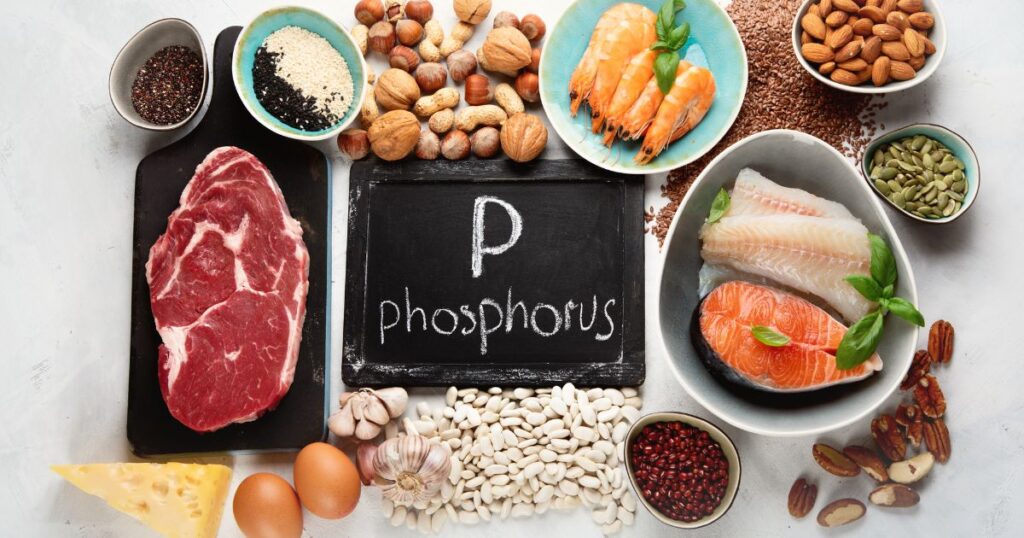
    Phosphorous. It helps keep your bones healthy. It also helps keep blood vessels and muscles working. Phosphorous is found naturally in foods rich in protein, such as meat, poultry, fish, nuts, beans, and dairy products. 

    Essential Minerals

    Potassium. It is a mineral that your cells, nerves, and muscles need to function properly. It helps your body regulate your blood pressure, heart rhythm, and the water content in cells. It also helps with digestion. 

    Some foods high in potassium: avocados, apricots, salmon, chicken, asparagus, carrots, lima beans, potatoes, tomatoes, bananas, and peaches. 

    Magnesium. It helps your body regulate muscle and nerve function, blood sugar levels, and blood pressure. Magnesium also helps your body make protein, bone, and DNA.

    Some foods high in magnesium: almonds, cashews, brown rice, kelp, Brewers yeast, Brazil nuts, and molasses.

    Sulfur. After calcium and phosphorus, sulfur is the most abundant mineral element found in your body. Your body needs sulfur to build and fix your DNA and protect your cells from damage that can lead to serious diseases such as cancer. Sulfur also assists your body to metabolize food and contributes to the health of your skin, tendons, and ligaments.

    Sulfur is derived almost exclusively from proteins. The biggest categories include meat and poultry, especially beef, ham, chicken, pork, duck, turkey, and organ meats like heart and liver. It is also found in fish and seafood, most abundantly in shrimp, scallops, mussels, and prawns. It is also found in garlic.

    Sodium. Sodium helps with the function of nerves and muscles, and it also helps to keep the right balance of fluids in your body. 

    Chloride. Chloride carries an electric charge and therefore is also classified as an electrolyte, along with sodium and potassium.

    Salt is the main dietary source for both sodium and chloride. However, table salt, or refined salt, lacks trace minerals and contains added chemical ingredients. Unprocessed salts, like Celtic Salt, Himalayan Salt, Baja Gold, and others have not been altered and have a balanced array of minerals. The fear of “too much salt” comes from sodium-rich processed foods and refined salt. Whole salt products are safe and needed by the body.

    Micro Minerals or Trace Elements

    Trace minerals are so named because your body needs only a tiny amount of each one. That doesn’t mean that they don’t matter. Some important micro minerals are: chromium, copper, boron, iodine, iron, manganese, molybdenum, selenium, and zinc.

    Chromium – Broccoli, liver, and brewer’s yeast. Potatoes, whole grains, seafood, and meats also contain chromium.

    Copper – Oysters and other shellfish, whole grains, beans, nuts, potatoes, and organ meats (kidneys, liver) are good sources of copper. Dark leafy greens, and dried fruits such as prunes, cocoa, black pepper, and yeast are also sources of copper in the diet.

    Boron – Coffee, milk, apples, dried and cooked beans, and potatoes.

    Iodine – Seaweed (nori, kelp, kombu, wakame), fish, shellfish (cod, tuna, oysters, shrimp, dairy (milk, cheese, yogurt), eggs, beef liver, chicken.

    Iron – Nuts, dried fruit,  whole grain pasta and bread, legumes (mixed beans, lentils, chickpeas), dark leafy vegetables, oats, tofu, beef, molasses, potatoes,

    Manganese – Shellfish (mussels, oysters, clams), nuts (especially hazelnuts and pecans), brown rice, oatmeal, legumes (soybeans, kidney beans, chickpeas, lentils, peanuts), black tea, black pepper, spinach.

    Molybdenum – Legumes (black-eyed peas, lima beans), whole grains, rice, nuts, potatoes, bananas, leafy vegetables, dairy (milk, yogurt, cheese), beef, chicken, and eggs.

    Selenium – Pork, beef, turkey, chicken, fish, shellfish, eggs, Brazil nuts, brussels sprouts. 

    Zinc – Oysters, pumpkin seeds, pecans, red meat, poultry, beans, crab, lobster, whole grains, breakfast cereals, and dairy products.

    The takeaway message is to eliminate processed foods and focus on eating a variety of fresh, whole foods that nature provides. If you are surely deficient in certain minerals, supplementation may be necessary, but it’s not optimal. A good practitioner can guide you in creating a healthful plan of eating whole foods that is manageable.

  • We Have the Power of the Purse

    We Have the Power of the Purse

    Hey folks, this is America – you have the power of the purse.

    When cruising down the aisles of the grocery store lined with various items, remember that those items stay on those shelves only because of supply and demand. Unless it’s a new item, the products are there because you want them.

    If no one is buying a product, manufacturers aren’t going to waste their money to produce it. In other words, you control what they make!  

    Manufacturers have done a good job of leading you in the direction of purchasing what is cost effective for them. But if you educate yourself, you can buy only from those manufacturers selling pure products. Most of the foods produced have little nutritional value and are extremely addictive. 

    Wouldn’t it be nice if produce was 100% organic, GMO free, animals were raised on pasture, and dairy products were unadulterated? Perhaps we are a way off from those conditions, but we can begin to move in that direction by buying only what is pure.

    You have already accomplished a lot!

    A woman in the street market buying food.

    Before 2008, Some U.S. dairy farms were injecting the genetically engineered hormone rBGH, also called rBST, into their cows to boost milk production.

    The use of rBST in dairy cows has been shown to increase the concentrations of IGF-1, a protein naturally found in milk. Though research is mixed on the extent to which dairy consumption is linked to increased cancer risk, higher blood levels of IGF-1 have been linked to increased risk for pre-menopausal breast cancer.

    In 2008, U.S. citizens insisted on the labeling of milk as “rBGH-free” or “rBST-free.” That battle against Monsanto was won. Now you have choice!  So be sure to purchase products with a label that indicates, “No artificial growth hormones used.” You will see that label on all dairy products that are RH factor free.

    On another front, on January 1, 2022, the bioengineered (BE) food labeling law came into full effect. This policy makes the United States – the largest producer of Genetically Modified Organisms (GMOs) in the world – the 65th country with a mandatory GMO labeling policy. 

    However, the federal law is limited and confusing, leaving room for deception. For example, big agriculture can still spray their crops with glyphosate – one of the most widely used herbicides in the U.S. and a cancer-causing agent – after harvest and still call their crops GMO-free.

    Genetically Modified Organisms (GMOs) are living beings that have had their genetic code changed in some way in a lab. In the U.S., GMOs are used in the production of corn, soybeans, sugar beets, canola, cotton, alfalfa, potatoes, papaya, summer squash, and a few apple variations. 

    Most of the GMO crops grown today were developed to help farmers prevent crop loss by making plants resistant to weeds, damaging insects, and to certain viruses.

    It sounds good on paper, but is genetic engineering safe for humans and the environment? According to our government agencies, they are. But according to many scientific studies, and actual events, they are not. 

    Dr. Vandana Shiva, organic agriculture and environmental activist and author, named “Environment Hero” by “Time” magazine, reported on what happened when the Bt toxin was put into cotton in India to create herbicide-resistance crops.

    The Bt toxin was supposed to control the bollworm, and Monsanto said no spray would ever be needed again. What happened was the bollworm became so resistant, and damaged the Bt cotton crop so badly, that farmers had to spray stronger pesticides, causing 130 farmers to die from pesticide poisoning.

    According to The Center for Food Safety, genetically engineered food can cause

    allergic reactions, antibiotic resistance, immune suppression, loss of nutrition, and cancer.

    Gene editing is being used in animals, and the consequences can be detrimental to humans. 

    Rather than eat GMO meat, at your farmers’ market, find organic meat from local ranchers who raise animals on pasture. The pasture-raised meats are from free roaming grass-eating herds, and the real pasture raised chickens are outside in the grass poking around (they return to their hen houses at night).  Buying organic meat, you don’t have to subject yourself to supermarket meats that are mostly from CAFO’s (confined animal feedlot operations), filled with hormones and antibiotics.

    Even though a lot of the local ranches have been replaced with big agriculture properties, they are making a comeback. Ranches will continue to grow in numbers if they are supported by their communities. Sadly, organic food is more costly, but if unhealthy foods are rejected, organic will become more mainstream and more affordable. 

    There is a developing movement in healthy food production, and many young people are finding satisfaction living close to the land and growing their own food.

    So, folks, please speak up!  Ask your grocery stores to carry local organic produce, which supports local farmers. Reject “fake foods” grown in a lab.  Support your local farmers by going to your local farmers markets or join a CSA (community supported agriculture organization).

    A woman buying fruits in the grocery store.

  • Do You Have a Child on the Autism Spectrum? You Need to Take Care of Yourself First!

    Do You Have a Child on the Autism Spectrum? You Need to Take Care of Yourself First!

    Parenting children (or adults) with Autism can be extremely challenging. Your life has been overshadowed by another’s needs completely. You’ve put your own needs on the back burner, hoping to return to them ‘someday.’ But, take heart, you are not alone in this lonely, overwhelming world. There is a growing number of families dealing with this very issue.

    Imagine you are on a plane, and the crew relays the message that if you are traveling with a child, first put your own mask on, and then you will be able to take care of your child. Transfer that advice now to your everyday life.

    You need proper sleep, nourishment, exercise, relaxation, private time, and inspiration.

    How Can I Help?

    As an acupuncturist and nutritional therapist, I approach healing from many perspectives. 

    The perspectives closest to home is that I have raised a boy on the autism spectrum, and through the programs I recommend here, I have helped him become an independent, highly functioning member of society. 

    Perhaps through parenting a child or adult on the spectrum, you are suffering from digestive dysfunction due to the great amount of stress you are under. This is a great place to start your healing because most individuals on the spectrum have digestive issues. If there is to be a dietary change for your child, it is a lot easier if at least one family member is on the same diet. 

    What is missing in many behavioral approaches to the autistic child is the need to address physical symptoms from a nutritional standpoint. Many of the child’s behavioral issues such as stimming, hyperactivity, aggression, head banging, irritability, anxiety, sociability, and eye contact can be improved with specific nutritional support and individual dietary changes.

    In addition, with the same programs, many of the physical symptoms such as asthma, digestive disorders, constipation, diarrhea, poor appetite, cravings, hives, red cheeks, tics, eczema, psoriasis, and allergies can be improved.

    Improving digestion helps to reveal any underlying issues which will be addressed with specific labs and supplementation. 

    How Nutritional Therapy for Autism got Started

    A Russian neurologist, Dr. Natasha Campbell-McBride, established the connection between the functions of the digestive system and the brain when she developed the GAPS program (Gut and Psychology Syndrome).  She started a clinic in Cambridge, England, in 1998, which specialized in nutrition for children and adults with behavioral and learning disabilities, and for adults with digestive and immune system disorders. She has treated hundreds of people successfully and continues to train medical professionals in her system.

    woman holding iphone while eating

    The focus of her program is to improve the health of the gut lining through a very specific diet and through boosting the gut flora, also known as the gut microbiome.

    The microbiome consists of trillions of microorganisms (also called microbiota or microbes) of thousands of different species. These include not only bacteria but fungi, parasites, and viruses.

    In a healthy person, these “bugs” coexist peacefully, with the largest numbers found in the small and large intestines but also throughout the body. The microbiome is even labeled a supporting organ because it plays so many key roles in promoting the smooth daily operations of the human body.

    There is a growing body of research connecting good health to how much healthy bacteria is in the gut. To keep your microbiome functioning in a healthy manner, it is imperative to consume enough beneficial bacteria, found in fermented foods and supplements called probiotics, to replace damaged flora and increase microbial diversity. 

    The modern diet, consisting of irradiated and ultra-pasteurized food, and the over-use of antibiotics and other medications, have all contributed to the destruction of our microbiome. The trillions of bacteria in our gut act as our “army” defending us against invading bad bacteria, keeping that bacteria in check to prevent damage to our bodies. We need to continue to nourish ourselves to promote a wide and diverse range of health-supporting microbes, rather than try to kill off the bad bacteria. Allow the body to do its job in the way nature intended.

    My work incorporates the GAPS concepts, https://www.gapsdiet.com

    and other trainings from the Bio-Individual Institute, https://bioindividualnutrition.com and the Integrative Medicine Autism Mastery program. https://integrativemedicineacademy.com/course/autism-mastery-course

    When the foods you are consuming are healthful, specific to your needs, and not disrupting your health, you are that much closer to your optimal self.

    My Nutrition Program

    • Extensive medical history; symptoms, illnesses, traumas, etc.
    • Review of current diet, cravings, food sources, cooking methods, etc.
    • Dietary recommendations. If symptoms improve, we stop here.
    • If symptoms continue, we explore various lab work, which allows us to dig deeper to find the root cause, i.e., mold exposure, candida, allergies, drug reactions, toxic exposures, and others.
    • We work on your sleep, exercise, rest and relaxation, and other helpful modalities.

    Acupuncture

    • Supports your body for stress reduction and to maintain wellness.
    • Works on balancing your energy since we are energetic being and brings homeostasis; it’s like tuning a car. 
    • Releases feel good hormones in your body, bringing a sense of relaxation and peace.
    • Moves energy, moving stuck qi, which causes pain and disquiet. Acupuncture nourishes your depleted qi, which strengthens you.

    Shelley H. Lane, OMD, L.Ac, NTP.

    www.purefoodsdoctor.com

    shelleylaneomd@gmail.com

  • Vitamin C

    Vitamin C

    Scurvy was a scourge for sailors during the mid-15th to mid-18th centuries when ships were dominant in global trade and warfare. No one knew that the lack of vitamin C for long periods of time would cause disease, decay and ultimately death.

    Fortunately, in 1753, James Lind, a Scottish surgeon in the Royal Navy, discovered that sailors’ scurvy could be prevented by eating citrus fruits. But it still took another 42 years for health reformers to persuade the Royal Navy to routinely give lemon juice to its sailors.

    Today, scurvy may no longer be a scourge, but low-level vitamin C deficiency is common. Because of the prevalence of chronic disease, knowledge of the body’s need for vitamin C is more important than ever.

    As the Scottish surgeon discovered, vitamin C is not made by the human body, but it is crucial to maintain optimal health, to prevent disease, and to play a big part in curing disease. 

    Vitamin C:

    Boosts the Immune System

    Vitamin C contributes to your immune defense system by supporting multiple cellular functions of your body’s adaptive immune systems. 

    Supports the Brain

    • protects against neural damage
    • promotes the healthy development of neurons and supports the formation of myelin (a soft, white material in the membrane of certain cells)
    • supports optimal neurotransmitter production
    • leads to expression of BDNF – brain-derived-neurotropic-factor (a protein)
    • may even help avoid Alzheimer’s Disease according to recent studies

    technology computer head health

    Fights Oxidative Damage in the Body

    Consuming vitamin C can increase your blood antioxidant levels by up to 30%.

    Antioxidants protect cells from free radicals, which fights inflammation.  Research has shown that chronic inflammation is associated with heart disease, diabetes, cancer, arthritis, and bowel diseases like Crohn’s disease and ulcerative colitis.

    Studies show that vitamin C is especially effective at reducing damage in the lungs. That’s why some doctors were using it in early treatment of Covid-2.  

    It is sometimes used in the form of a high dose IV to aid in recovery from surgery and illnesses like cancer.

    Boosts Collagen Production and Improves Skin

    Vitamin C helps improve the connective tissues in the entire body, including skin and bones. Studies show it may slow the aging process by protecting and improving the body’s collagen. Topical treatments are clinically shown to reduce the appearance of wrinkles, lines, and sunspots.

    Supports the Adrenals

    Chronic stress puts a strain on the adrenal glands, reducing levels of cortisol. Vitamin C replaces lost cortisol. 

    Aids in Healing Wounds

    The major function of vitamin C in wound healing is assisting in the formation of collagen, the most important protein of connective tissue.


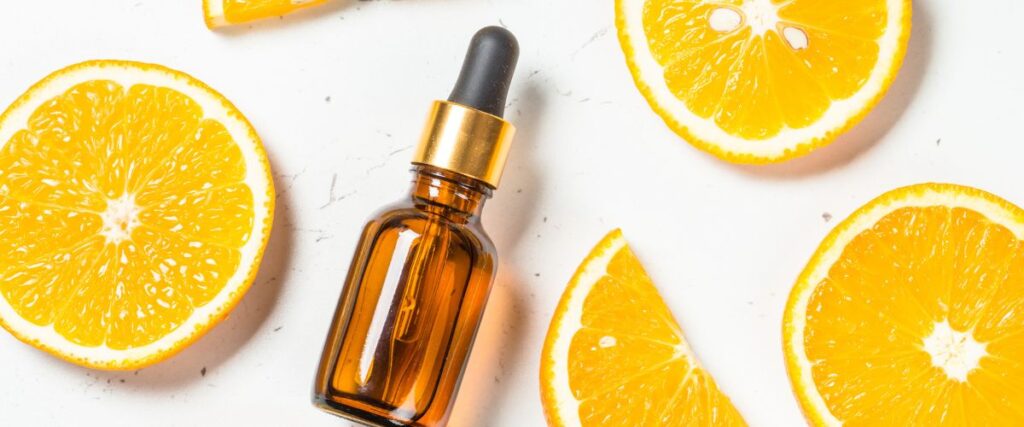
    A bottle with a dropper surrounded by slices of oranges

    Types of Vitamin C:

    Food Sources

    Vitamin C is found in many foods, and when possible, this is the best way to consume it. Eating raw vegetables and fruits will retain all its nutrients, but if you can’t digest raw vegetables, lightly steaming, sauteing, or fermenting them will preserve vitamin C’s properties. In fact, fermentation releases vitamin C, beneficial bacteria, and many other nutrients.

    Citrus fruits are high in vitamin C. One medium orange provides 70 mg of Vitamin C, while one grapefruit provides about 56 mg. Citrus fruit juices contain even higher amounts of vitamin C, with a 225 mg glass of fresh-squeezed organic orange juice providing around 125 mg of vitamin C. Be aware, though, of the high sugar content of juices, which is buffeted by eating the whole fruit. Starting your day with lemon juice squeezed into a glass of purified water is also ideal. 

    Other fruits high in vitamin C are kiwifruit, strawberries, papayas, guavas, and acerola cherries. 

    Vegetables high in vitamin C are bell peppers, broccoli, cauliflower, tomatoes, kale, and snow peas.  

    Food-based Supplements

    Linus Carl Pauling - First Day Covers from the Collection of Edward C.  Halperin, M.D., M.A. - Library Research Guides at New York Medical College

    Even with the best of diets, getting enough vitamin C from food can sometimes be difficult if not impossible. According to the Mayo Clinic, since vitamin C is water-soluble, doses up to 2,000 mg a day are considered safe, diarrhea being the most common side effect. Since we are all different, the amount each of us needs will vary. Always use bowel tolerance an indicator. 

    Dr. Linus Pauling, two-time Nobel Prize winner, published Vitamin C and the Common Cold (1970) in which he recommends taking mega-doses of vitamin C to help fight the common cold and other diseases. 

    It is rumored Pauling took between 12,000 and 18,000 mg of vitamin C daily and he lived to 93.

    How much vitamin C do You Need?

    The answer depends on who you ask. Modern research is divided, and every health expert seems to have a different opinion. 

    If you are eating enough food with vitamin C, that may be sufficient for you. With any health issue, you may want to supplement with whole-food sources.

    The Linus Pauling Institute recommends 400 mg of vitamin C daily. 

    Dr. Shelley H. Lane, OMD, L.Ac. NTP