Category: Tips and Blogs

  • Stress: One of the Main Causes of Disease

    Stress: One of the Main Causes of Disease

    We talk about it all the time, but do we really know what it is and what is does to our body, when it’s acute and when it turns chronic? 

    Our stress response was designed for emergencies. When an early human perceived a threat – a saber-toothed tiger or an incoming hostile – a stress responses was activated so the human had a chance to survive. The stress response prepares the body for “fight or flight,” and this is what happens physiologically:

    A male employee stressing over overwhelming tasks.
    • Your heart rate and blood pressure soar to increase the flow of blood to the brain to improve decision making.
    • Your blood sugar rises to furnish more fuel for energy as the result of the breakdown of glycogen, fat, and protein stores.
    • Your blood is shunted away from the gut, where it is not immediately needed for purposes of digestion, to the large muscles of the arms and legs to provide more strength in combat, or greater speed in getting away from a scene of potential peril.
    • Clotting occurs more quickly to prevent blood loss from lacerations or internal hemorrhage.

    The early human ran away or fought. The danger was (hopefully) averted, and the body returned to a state of homeostasis, to normal functioning. The body was stressed but it then had a chance to recover from the release of neurotransmitters from the sympathetic and central nervous systems, as well as hormones from the adrenal cortex and medulla, pituitary, and other endocrine glands. 

    The problem today is whereas we experience the occasional acute threat – avoiding a swerving car or crossing the street to get away from a sketchy looking character – most of what stresses us out is invisible, psychologically, or emotionally-based, and oftentimes ongoing: inflation, disagreements with co-workers, or family members, political divisiveness, fear of Sars-CoV-2, raising children, etc.

    Unfortunately, for us, our body still reacts with the same archaic “fight or flight” response to chronic stress, as with acute stress, which is damaging and can be deadly. 

    Chronic stress is associated with a drop in almost all measures of immune functions and leads to an increased risk of chronic infections, autoimmune challenges, and cancers. It can influence many illnesses and conditions such as: Diabetes Mellitus, cardiovascular disease, high blood pressure, elevated blood fats, GI illness, infertility, menstrual irregularities, osteoporosis, detoxification problems, multiple chemical sensitivities, brain damage and psychiatric illnesses, i.e., Alzheimer’s, depression, and chronic fatigue syndrome.

    How Can You Tell if Your Body is Experiencing Chronic Stress?

    The word stress comes from the Latin words “strictus” (which means “tight” or “narrow”) and “stringere” (which means “to tighten”). 

    This definition is very interesting because people who spoke Latin in the Roman Empire seemed to have a sense of the mind/body connection. When one experiences chronic stress, the body tightens. 

    On some level we also understand the mind/body connection because we use idioms like: “My neck feels like it’s in a noose;” “I feel a knot in my stomach when I argue;” “I feel like I’m carrying the weight of the world on my shoulders;” “I feel like my head is in a vise,” and so on. 

    Remember: the body is your first line of defense against chronic stress. It never lies. If you continue to feel physical pain (if nothing organic is wrong) your stress is chronic, and you need to do something about it. 

    Good News

    The good news is that you can ameliorate the negative impact of chronic stress on the immune system by adopting some of these strategies. Since modern day stress is ubiquitous, it is imperative that you counter it with regular stress reduction strategies. 

    • Go to sleep at a regular time (best by 10 pm) and get about 8 hours. This is restorative for the adrenals. Your body has a chance to detoxify during sleep time. 
    • A short nap during the day can help you to recharge.
    • Engage in a meditation practice of your choice; even 10 minutes a day helps. You can develop this skill with mindfulness meditation classes. There are other types of meditation – find one that works for you. There are also apps and tapes you can use for breathing exercises, guided imagery and directed meditation. A spiritual practice is not essential but can be helpful.
    • Walk in nature. Multi-disciplinary research reveals that electrically conductive contact of the human body with the surface of the Earth (grounding or earthing) produces positive effects on your physiology and health. These effects are felt most intensely at the beach, walking in the sand, with the added benefit of negative ions. Be in natural light as much as possible.
    • Get regular exercise doing something you enjoy, be it solo or in a group. Exercise should increase your heartrate, but not be too strenuous as it can deplete your adrenals. Some sweating is good. Walking is an excellent option.
    • Socialize and let nurturing and affections into your life. We are social creatures and need social contact.
    • Laugh.
    • Engage in activities that make you smile.
    • Drink calming teas (without caffeine) throughout the day and evening, such as chamomile, lemon balm, kava, and passionflower. 
    • Deep tissue massage with an overture of Swedish will release your tight muscles and lighten your mood and get your Qi flowing.

    Get regular acupuncture, which can help calm the nervous system, balance energy, and bring homeostasis.

  • What Are Offals? And Why They Are Often Overlooked.

    What Are Offals? And Why They Are Often Overlooked.

    Offal (pronounced “awFul”) are organ meats, and to some they are considered awful.

    But to others who have eaten organ meats as part of their cultural food traditions, or when they traveled internationally, or because they were just downright adventurous have found organ meats to be nutritious and tasty.

    In fact, organ meats – liver, kidney, tongue, sweetbreads (thymus, pancreas), tripe (intestine), gizzards, spleen, giblets, brains, feet, heart, marrow – are more nutrient dense than muscle meats and not nearly as expensive.

    Offals, also called variety meats, cut from beef, lamb, veal, chicken, lamb, duck, goose, turkey, mutton, and pork, are either consumed directly as food or used in the production of other foods.

    Beef Offals (Organ Meats) - JH Grass Fed

    History of Offals

    Early humans prized organ meats over other animal parts. They would reach straight for the heart, liver, and kidneys of an animal, often throwing away the muscle meats (like steak) to the dogs.

    Perhaps these early humans followed the behaviors of predatory animals who ate their prey’s heart and liver first. 

    Recently, off the coast of South Africa, two Orcas have been hunting Great White sharks, feasting on their livers and sometimes hearts.

    From late 14th century English, offal is said to mean “off-fall,” or what is left after butchering. Before refrigeration was common, these organs would have been eaten first.

    Through the mid-20th century old cookbooks were loaded with recipes for all kinds of organ meats. 

    Hunter/Gatherers | Ancient History Quiz - Quizizz

    Nutrient Density of Offals

    The key is to find offal from grass-fed, pasture raised animals, organic, free from antibiotics, hormones, and other harmful products used in the raising of grain-fed, feedlot animals.

    Offal’s nutrition density is due to the plentiful amounts of the fat-soluble vitamins A, D and K2. These three vitamins work together to protect soft tissues from calcification and nourish bones and teeth like no other food can. These vitamins prevent and even repair tooth decay. That’s why organ meats are so important for growing children.

    This trio of vitamins also serve as a catalyst for mineral absorption, but they are often absent from the modern diet. For example, many people dependent on a plant-based diet, can’t convert the plant source of vitamin A in carrots, carotene, to retinol to be useful in the body. Others, afraid to eat fats, and other vitamin A rich foods, are depleted of this crucial vitamin. 

    COQ10 is abundant in heart, liver, and kidney, an essential nutrient for the heart. Also abundant in offal are:

    • Tryptophan is an amino acid needed for normal growth in infants and for the production and maintenance of the body’s proteins, muscles, enzymes, and neurotransmitters. It is an essential amino acid. This means your body cannot produce it, so you must get it from your diet.
    • Collagen is a protein responsible for healthy joints and skin elasticity, or stretchiness. It’s in your bones, muscles, and blood, comprising three quarters of your skin and a third of the protein in your body. As you age, your existing collagen breaks down, and it gets harder for your body to produce more.
    • Elastin is a protein that exists as fibers in the extracellular spaces of many connective tissues. Its main function is to allow tissues in your body to stretch out and shrink back. Your arteries are tube-shaped blood vessels that carry blood from your heart through your body. Elastin gives your arteries stretchy characteristics that make it easier for your heart to pump blood.
    • Glycine is an amino acid, one of 20 used to make proteins in the human body. The body produces it naturally, and it is also found in high-protein foods such as meat. 

    For Healing

    Traditional cultures prized these organs especially for the sick and pregnant women. The peoples in ancient China, Greece, as well as in several Native American and African tribes, believed that eating a specific organ from an animal could heal that same organ in the person consuming it.

    In the early twentieth century, some doctors in the U.S., advised patients with heart problems to eat beef heart to strengthen their own heart. 

    During that time, people in the U.S. and Europe were commonly eating liver once a week. The ancients believed that eating liver would purify and cleanse the body. Modern science confirmed that the liver’s function is to cleanse and detoxify the body.

    Today, holistic practitioners carry on the tradition of eating organs by prescribing glandulars – organ extracts. Standard Process is an example of a well-respected supplement company that produces these organ-based supplements called protomorphogens. 

    Liver

    Since liver is considered top of the list for nutrition, we’ll focus on it here. But that doesn’t mean the numerous other offal aren’t also excellent choices. 

    adobong atay at balumbalunan

    Of all the livers, beef liver is the best source of vitamins and minerals. Pork and chicken livers are good sources, too. 

    Here are liver’s nutrients:

    • Preformed vitamin A – or retinol – for eye and immune health. Four ounces of beef liver contains 19,000IU of vitamin A (about 400% of the RDA for vitamin A).
    • Zinc for immune health and hormone production.
    • Choline for cognitive health and cellular membrane support
    • Vitamin B12 for cellular energy production and methylation (A chemical reaction in which a small molecule called a methyl group is added to other molecules. Methylation of proteins or nucleic acids may affect how they act in the body.)
    • Folate for energy production, methylation, and DNA repair
    • Iron for red blood cell production
    • Copper for increasing iron absorption in the gut. Copper deficiency can cause anemia, and beef liver is a rare dietary source of copper.

    If you can consume a decent hunk of beef liver (4-6 ounces) once a week, you’re set for the week. If you can’t consume this much beef liver at one sitting, break the six ounces down into a couple or three servings a week.

    The key to preparation is herb and spices to tame the gamey, pungent, and earthy properties of offal. 

    Here’s one way to prepare liver:

    1. First soak in milk or lemon juice (with water) to remove bitterness (20  min).
    2. Cut liver (or ask your butcher) into thin strips and season with spices such as turmeric, rosemary, oregano, thyme, salt, pepper, etc.
    3. In a pan, heat butter or other healthy cooking oil to medium heat.
    4. Cook liver and both sides 1-2 minutes until pink in the middle.

    Another way to prepare is to ask your butcher to grind up your liver with grass-fed ground beef and use in your favorite recipes. (In this way, you can also add other offal such as heart and kidney.) Experiment with rates. You might start with 30% offal, and 70% ground beef.

    Buy sausages made with organ meats: https://grasslandbeef.com/organs-organ-sausages

    • Braunschweiger. Traditional German sausage made from beef trim and beef liver.
    • Headcheese. A combination of beef trim, heart, tongue plus a combination of bright spices.
    • Liverwurst.  A mix of trim, liver, heart, and kidney.

    Make a pate using chicken livers, such as the one described in this video: 

    https://www.thehealthyhomeeconomist.com/video-chicken-liver-pate/

    And, then there’s the Jewish delicacy, chopped liver. Try making this classic.

    https://www.seriouseats.com/chopped-liver

    Other Ways to Incorporate Organ Meats in Your Diet

    Seasoning.  EatPluck.com makes a grass-fed, no hormones or gmos, seasoning, which includes onion, beef organ meat blend (liver, kidney, spleen, heart, pancreas) Redmond Real Salt, smoked paprika, lemon peel, garlic, parsley, mustard seed, thyme.

    Supplements. A good source to learn about supplements 

    https://radiantlifecatalog.com/search.php?search_query=liver&section=product
    More Recipes – https://offallygoodcooking.com/

  • What to Look for in Food Labels

    What to Look for in Food Labels

    Perhaps the Romans were having trouble trusting their purveyors of food products since they coined the term, “Caveat Emptor,” let the buyer beware. Did they have food labels to help them figure out what was what? We might not know what the Romans did but, today, we do know that labeling of food products has become the norm.

    But labels can be confusing. You can be frustrated when you’ve opened the fridge at your favorite grocery, stymied by the assortment of egg cartons with the words “natural,” “antibiotic-free”, and “free range” written on them. What do these terms mean? 

    Whereas labels have been created by the government and third-party certifiers to inform consumers what they are buying, some terms are misleading, persuading consumers to purchase something that is not in alignment with their interests. 

    That’s why the onus is on us, the consumers, to educate ourselves, to understand what the labels mean, so we can make informed choices.

    Fair-Trade

    The Fairtrade Mark is the only label that indicates a product is certified by Flocert, an independent arm of Fairtrade International, which sets rigorous social, economic, and environmental standards for ethical labeling. For farmers it means safer working conditions and fairer pay. 

    man hand fruit cocoa

    Fortified

    A food that has extra nutrients added to it that are normally not there, such as vitamin A and D, which are added to commercially produced milk and orange juice, and iodine added to salt.

    However, it’s best for the absorption of vitamins and minerals to eat food that contains these nutrients, since the body prefers food in its natural state.

    Gluten-Free

    The FDA’s rule specifies that any foods that carry the label “gluten-free” must contain less than 20 parts per million (ppm) of gluten. This level is the lowest that can be reliably detected in foods using scientifically validated analysis methods. 

    Healthy

    The FDA says that foods labeled “healthy” must be low in saturated fats and contain limited amounts of cholesterol and sodium. Certain foods must also contain at least 10 percent of vitamins A and C, iron, calcium, protein, and fiber.

    The problem here is that what the government, or influential non-profits, consider “healthy” is sometimes proven not to be true, and what they decide is unhealthy is sometimes proven untrue. One salient example of the latter is the egg. 

    It is now widely recognized that eggs are a highly nutritious food based on their high-quality protein and compliment of vitamins and minerals. They are one of the most widely available economical sources of animal protein, vital to growing children, pregnant women, and the elderly. 

    In 1968, the American Heart Association (AHA) recommended that all individuals consume less than 300 mg of dietary cholesterol per day and no more than three whole eggs per week. It took the next 47 years for the egg industry to create research studies that proved the false correlation between dietary cholesterol, eggs, and heart disease. 

    Ironically, eggs are a major course of choline, which is associated with decreased plasma levels of homocysteine and inflammatory factors, whose presence in the body is related to increased cardiovascular risk. 

    From 1968 through the ensuing five decades, when people were afraid to eat eggs for breakfast, and switched to carbohydrate rich cereals, the nation’s obesity problem manifested and worsened. 

    Reading Food Labels | ADA

    Natural

    The Food and Drug Administration (FDA) has not developed a legal definition of “natural.” So, its use is meaningless, therefore misleading.

    When applied to meat and poultry products, the United States Department of Agriculture (USDA) states that “natural” means that these products can only undergo minimal processing without the use of artificial colors, flavors, preservatives, or other artificial ingredients. 

    However, these animals are not humanely raised, organic, or free of hormones and antibiotics.

    Non-Irradiated

    The food in question has not been exposed to radiation. Some food undergoes radiation to kill disease-causing bacteria and reduce the incidence of food borne illness. But no thorough testing has been done to understand the impact radiated food has on humans. 

    Organic

    The term “organic” and the use of the USDA organic seal, are regulated through the National Organic Program (NOP), a USDA-approved independent agency. The NOP regulates farmers, ranchers, and food processors who are certified organic in the United States.

    To be considered organic, the use of synthetic fertilizers, synthetic pesticides, sewage sludge, irradiation, and genetically engineered crops are prohibited. Also prohibited are the use of hormones and antibiotics in animals.

    Small farms with annual revenues under $5,000 in organic products are exempt from the organic certification process, but they must comply with the applicable organic production, handling, and labeling requirements. These farms may label their items as organic but cannot use the USDA certified organic seal.

    100% Organic:

    To quality for the USDA organic seal, as well the 100% organic claim on

    the front panel of the packaging, products must be 100% organic. Organic ingredients must be identified in the label information panel.

    Organic:

    Products with this label must contain 95% organic ingredients and are certified to use the USDA organic seal as well as the organic claim on the front panel of the packaging. Organic ingredients must be identified in the label information panel.

    Made with Organic:

    Products with this label must contain at least 70% organic ingredients. The front panel of the packaging may state “made with organic ingredients” but cannot use the USDA organic seal or represent the finished product as organic. Organic ingredients must be identified in the label information panel.

    Specific Ingredient Listing:

    Products with this label contain less than 70% organic ingredients and cannot use the USDA seal or the word “organic” on the front panel of the packaging. Organic ingredients and the total percentage of organic ingredients may be listed in the ingredients section of the information panel.

    Animal Products – Meat, Dairy & Eggs

    Antibiotic-Free

    Animals are never given antibiotics in their feed, water, or by injection during their lifetime.

    Cage-Free (eggs)

    The USDA stipulates that cage-free means that eggs come from hens that aren’t caged. They can roam freely in a building, room, or enclosed area with unlimited access to food and fresh water during their production cycle. But they do not have access to the outdoors.

    herd of hen

    Free-Range (meat and eggs)

    For producers to use the term “free range” or “free roaming,” they must demonstrate to the USDA that the cattle and hens are allowed all the accommodations of cage-free animals, in addition to the outside. However, the type of outdoor access, size of the outdoor space, and length of time outside are not legally defined, so conditions may vary greatly between facilities.

    GMO-Free, Non-GMO, No GMOs

    GMOs, or genetically modified organisms, are plants and animals genetically engineered with DNA from bacteria, viruses, or other plants and animals. Products labeled “GMO-free” means they are produced without being genetically engineered. This is deceptive since grains are often sprayed with the herbicide glyphosate, deemed probably carcinogenic, after harvest and can still use the label GMO-free. One-hundred percent organic is always best. 

    Grain-Fed

    Animals are raised in enclosures and fed a diet of corn and soy-based grains. They are also given drugs, hormones, and antibiotics.

    Grass-Fed

    The American Grassfed Association (AGA) worked with the USDA until 2006 when the AGA developed more stringent standards. Products granted the AGA approved label must come from animals fed a diet of 100% forage, raised on a pasture, and never treated with hormones or antibiotics. 

    Be cognizant of labels such as “grass finished,” connoting partially grass-fed animals. 

    No Added Hormones/No Hormones Administered/Raised Without Added Hormones

    The term “No Hormones Administered” may be issued by the Food Safety and Inspection Service (FSIS) of the USDA if the food producer provides sufficient documentation showing that no synthetic or steroid hormones have been given to their animals to increase growth, feed efficiency, or reproduction. USDA FSIS states that no hormones can be used in the production of goat. 

    Push-back from the public a few years back against adding recombinant bovine growth hormone to cattle feed forced the FSIS to create the “No Hormones Administered” decision. 

    Pasture-Raised

    Pasture-raised indicates that the animal was raised on a pasture where it was able to eat nutritious grasses and other plants, rather than being fattened on grain and hormones in a feedlot or barn. The term pasture-raised indicates more definitively than grass-fed that the animal was raised outdoors on a pasture.

    RBGH-Free, RBST-Free

    The FDA determines if dairy products from cows are not treated with the hormone recombinant bovine somatotropin (rBST), also called recombinant bovine growth hormone (rBGH), used for increasing milk production.

    Ultra-Pasteurized Milk/Raw Milk

    Today, an increasing amount of milk found in grocery stores, including most organic milk, is ultra-pasteurized (labeled as UHT, for ultra-high temperature), which gives the milk an extended shelf life (ESL).

    According to some microbiologists, conventionally produced, pasteurized milk from grain-fed cows is hard to digest. Especially dangerous is the high heat used in ultra-pasteurized products because the proteins are damaged.

    Pasteurized milk is now recognized as a top food allergen. In contrast, numerous scientific studies have shown that raw milk is correlated with decreased rates of asthma, allergies, eczema, otitis (inflammation of the ear), fever, and respiratory infections.

    Raw milk, straight from the cow, is not pasteurized or homogenized. The Raw Milk Institute says that raw milk is a complete, natural food containing more amino acids, antimicrobials, vitamins, minerals, and fatty acids than pasteurized milk. Like breastmilk, raw milk is a living whole food, also providing enzymes and probiotics.

    Doctors and healthcare professionals routinely warn patients that raw milk is unsafe to consume, but the Raw Milk Institute says there is ample evidence that this conclusion is not applicable to carefully produced raw milk. You want raw milk from grass-fed, pasture-raised cows, the milk 100% certified organic. Know your farmer. Ask questions about practices and testing. 

  • Why are Fish Eggs so Amazing?

    Why are Fish Eggs so Amazing?

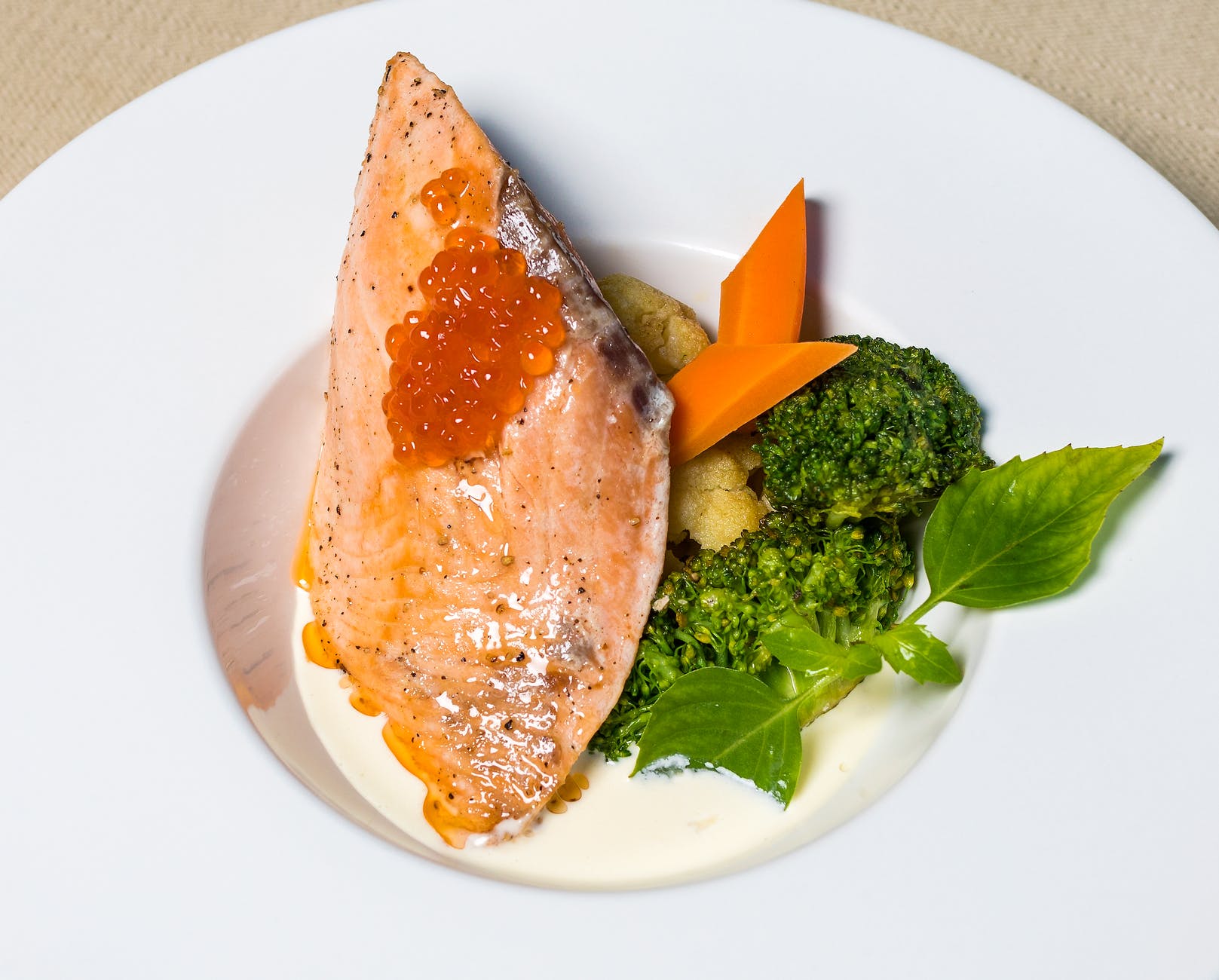
    Perhaps you’ve tried a classic sushi boat with salmon fish eggs in your favorite Japanese restaurant. And you found it oh so yummy but didn’t know too much about those reddish cylindrical things on top.

    Well, here’s the story. Fish eggs are called caviar or roe depending on what female fish they come from. Perhaps for their higher nutritional value, for their taste, or for cultural reasons, fish eggs from sturgeon (caviar) are valued at $100 an ounce compared with fish eggs from trout, salmon, whitefish, carp, or shellfish (roe), which are sold for approximately $10 an ounce.

    Regardless of your cash flow, roe are still great nutritional choices. Here’s why.

    Protein

    You need protein to build muscle strength, keep your body cells healthy, and deliver energy. One tablespoon of fish eggs provides between two and seven grams of protein. (To determine your necessary daily amount of protein, multiply your body weight times 0.36 grams).

    Fats

    Fish eggs contain good omega 3’s, which are heart healthy; they have more than anchovies and less than herring and sardines. 

    Carbs

    Fish eggs are low in carbohydrates. They have no significant fiber or sugar.

    The meaning and symbolism of the word - «Fish Eggs»

    Here is Where Fish Eggs Shine:

    Vitamins & Minerals

    They are a good source of vitamin B12, which helps maintain a healthy metabolism and heart. This vitamin is also important for the central nervous system and DNA synthesis.

    cooked food on white ceramic plate

    Fish eggs contain choline, which supports healthy fat and cholesterol transport in your body and supports cognitive function.

    They also contain magnesium and selenium. They both combine with proteins in your body to form antioxidants, which protect your cells from damage from free radicals and from infection.

    Magnesium is a co-factor in more than 300 enzyme systems that regulate diverse biochemical reactions in the body. Aside from protein synthesis, it regulates muscle and nerve function, blood glucose control, and blood pressure.

    Selenium is important for reproduction, thyroid gland function, and DNA production.

    In addition, fish eggs also contain other important nutrients, such as sodium, which your body requires to conduct nerve impulses, contract, and relax muscles, and maintain the proper balance of water and minerals.

    Phosphorous in fish eggs and creates strong bones and teeth. Vitamin D regulates the absorption of calcium and phosphorous and facilitates normal immune function.

    Fish eggs provide vitamin A, which you need for health vision, and immune and organ system health.

    Lastly, fish eggs are a good source of vitamin C, which protects your immune system, heart, and eyes.

    You can try fish eggs at home on slices of cucumber, on a blini (a small pancake), or on toast. It is recommended that you keep them in the coldest part of your fridge, and discard (if you have any left) after two to three days of opening the container. Also, you may want to use a “pearl” caviar spoon, or a plastic or wood spoon to scoop or eat your fish eggs, as they can pick up a metal taste.

  • Acupuncture in Belmont

    Acupuncture in Belmont

    What is Acupuncture?

    Acupuncture in Belmont – Your body is like land with a series of streams running through it. In Traditional Chinese Medicine theory (diagnosis, acupuncture, herbs, moxibustion, cupping) these streams are represented as channels of energy called meridians.

    You can’t see energy, but you certainly can feel it. When you’re feeling good, you say you have “high energy,” and when you’re under the weather, you say your energy is “low.”

    When a beaver builds a dam in a stream, the water flow is blocked or diverted. It’s the same with your channels of energy. Your energy can be blocked because your organs aren’t functioning at optimum levels.

    Acupuncture is a method of encouraging your body to heal itself by correcting the imbalances of energy (qi or chi) in your meridian system. Your acupuncturist facilities this healing by inserting needles in certain key locations along your meridians. 

    Acupuncture in Belmont

    Dr. Andrew Weil, an integrative medical doctor, says the benefits of acupuncture can extend to a wide variety of conditions, from emotional disorders (anxiety, depression) to digestive complaints (nausea, vomiting, irritable bowel syndrome). It’s also useful for pain syndromes due to an injury or associated with chronic degenerative diseases such as rheumatoid arthritis. 

    Acupuncture is also helpful in treating neurological problems like migraines or Parkinson’s disease, or as a rehabilitation strategy for individuals who suffered a stroke. Respiratory conditions, including sinusitis and asthma have been relieved with acupuncture, as have many gynecologic disorders and infertility. Acupuncture has also proved beneficial for reducing fatigue and addictions, and for promoting overall well-being.

    An acupuncturist, L.Ac., with a three-to-four-year schooling, is licensed upon completion of an exam administered by The Board of Medical Quality Assurance in California. An oriental medicine doctor, O.M.D., has obtained advanced training. 

    Elite Athletes Use Acupuncture

    The elite athletes in the National Basketball Association have been using acupuncture for decades to protect their bodies and maximize their effectiveness on the court. These athletes use acupuncture for relieving pain, loosening muscles, and reducing swelling. 

    In “USA Today Sports” (Dec. 30, 2017, Alex Kennedy) Shaquille O’Neal, famously of the Los Angeles Lakers, first tried acupuncture in 2002 when his big toe started acting up before the playoffs. With his healed toe from acupuncture, Shaq led his team that year to their third straight championship. Shaq said, “I’ve always been a connoisseur of ancient medicine.”

    Acupuncture for Digestive Healing – Acupuncture in Belmont

    Using acupuncture for digestive problems works by reducing inflammation of the stomach, along with its related organs, the small and large intestine, and the pancreas. Acupuncture also releases and stimulates enzyme and hormone production in these organs. 

    After a thorough medical history, your acupuncturist will explore all factors leading up to the onset of your issues, to discover root causes of your body’s disfunction.

    In addition to needling, your acupuncturist may prescribe Chinese herbs, supplements, and stress reduction techniques. Your acupuncturist may integrate food recommendations into your health program, which will be beneficial in the treatment of gastrointestinal problems.

    therapist pricking skin with needles during treatment procedure

    Your acupuncturist may use moxibustion – a technique of applying warm mugwort to acupuncture points – while you lie in a state of complete relaxation during your treatment. This herb is used as an anti-inflammatory agent and to correct imbalances.

    Cupping is another technique used in Tradition Chinese Medicine in which your acupuncturist puts special cups on your skin for a few minutes to create suction. This technique helps reduce pain and inflammation, while it increases blood flow and relaxation.

    Traditional Chinese Medicine can help resolve:

    • Ulcers
    • Constipation/Diarrhea
    • Indigestion
    • Food sensitivities
    • Inflammatory bowel conditions
    • Bloating/Distention/Burping
    • Lack of appetite/Excess hunger
    • General Gastritis

    You will be amazed at how well you body responds to proper nutrition with energy guidance. Try it out for yourself and get back to enjoying your meals!

    Acupuncture in Belmont and Atherton 2024
  • Where’s the Real Beef?

    Where’s the Real Beef?

    Why Eat Beef?

    Beef provides you with protein, iron, zinc, B Vitamins – especially Vitamin B12 – iodine, essential omega-3 fatty acids, phosphorus, carnitine, coenzyme-Q-10, and calcium. Red meat protects the heart and nervous system. 

    Plants don’t provide certain nutrients that animals do, so it’s harder for vegans and vegetarians to maintain sufficient protein intake. Their diet can also be low in fat with the risk of vitamin B12, iron, calcium, and zinc deficiencies. Vegans and vegetarians need a greater reliance on supplements to achieve essential nutritional requirements.  

    You may enjoy eating beef, not only because it tastes good, but because it plays a part in your cultural food experience and is therefore part of your identity: hot dogs at a baseball game, a Hot Pastrami sandwich, a beef Shawarma, a pepperoni pizza, a Philly Cheesesteak – you get the idea. 

    Grass-fed Beef is Much Healthier than Grain-fed

    herd of white and black cows on grass field
    Photo by Lukas Hartmann

    Grain-fed cattle start out eating grass but in a short while they are herded into huge feedlots where they are fed GMO corn and GMO soy until they are brought to market. According to the Weston A. Price Foundation, a non-profit dedicated to restoring nutrient-sense foods to the American diet, these cattle also eat bakery waste, rejects from candy factories, and waste from government-subsidized and protected ethanol plants.

    In addition, grain-fed cattle are given growth hormones, appetite-stimulating chemicals, and sub-therapeutic antibiotics. These materials go into your body with your grain-fed steak.

    In contrast, grass-fed cattle are raised outside on pastureland, eating nutrient-rich grasses, soaking up the sunshine, where they are enriching the soil with their manure.

    Some Environmentalists are Against Eating Beef Meat Because Cattle Emit Greenhouse Gases 

    Yes, cattle – through mainly belching, but also, flatulence – release methane that does pollute the environment. But what these environmentalists don’t know is that the methane from grass-fed cows doesn’t harm the environment because it goes into the ground through a process called carbon sequestration.

    In this process, grass-fed cattle are rotated across pasture lands. This encourages new grass growth, as the cows’ trampling works the manure and other organic matter into the soil, creating a rich humus. The plant roots also help maintain soil health by retaining water and microbes. 

    Healthy soil sequesters or traps carbon dioxide in the soil, keeping it from rising into the atmosphere.

    As cattleman Ridge Shinn, from his farm in Hardwick, Mass. said in TIME magazine (Lisa Abend, Jan. 25, 2010), “Conventional cattle raising is like mining. It’s unsustainable because you’re just taking without putting anything back. But when you rotate cattle on grass (Over the course of a year, his 100 cattle will rotate across 175 acres four or five time) you change the equation. You put back more than you take out.” By preventing overgrazing you are maintaining the integrity of the grasslands so it can continue to provide nourishment and not be destroyed by the cattle.

    What is the True Cost of Grain-Fed Beef Versus Grass-Fed?

    Grain-fed meat is cheaper because corporations processing cattle benefit from economy of scale. Take labor, for example. On a grass-based farm, a herd of 700 cows requires the care of three cowboys. On a corporate feedlot, three employees can handle 50,000 head of cattle.

    But the hidden costs of cheap food from massive producers includes the huge annual erosion and loss of topsoil from the production of grain; the pollution of the air, water, and soil; and the loss of farm families, farm communities, and small towns throughout the country.

    To budget for clean beef, it is best to consume a wide variety of meats – lamb, chicken, pork, wild fish, bison, etc. Organ meats are inexpensive and even more nutrient rich than muscle meats. Eating ground meats is another way to fit eating clean meat into your daily diet. Meaty bones are also good for making stock and broth. 

    Remember, ideal portions are less than one realizes; gauge your portion of meat from comparing it to the size of your palm.

    black and white dairy cow's head
    Photo by Jan Koetsier
  • The Real Cure for Heartburn and Acid Indigestion

    The Real Cure for Heartburn and Acid Indigestion

    You’ve just eaten lunch and rather than feel a satisfying fullness, you feel a burning pain in your lower chest—what we commonly call “heartburn.” No problem you think. The tv ads say when you “feel the burn,” just pop a Tums, or down some Alka Seltzer, acid-neutralizing aids.

    Those remedies work for a while, but soon you find they don’t help. So, you consult your doctor, who tells you to take an acid-suppressing drug like Prilosec. Your doctor tells you to take this drug because if you just suppress acid enough, you’ll beat back acid indigestion.

    Although you don’t feel the burn anymore, you might still be experiencing bloating, diarrhea, constipation, flatulence, or burping – common symptoms of dyspepsia, or upset stomach. But, there are drugstore remedies for these maladies also, and you partake.

    What’s Wrong with this Picture?

    In his book, “Why Stomach Acid is Good for You: Natural Relief from Heartburn, Indigestion, Reflux & GERD,” Johnathan V. Wright, M.D. explains that acid-neutralizing and acid-suppressing drugs are not a cure as conventional medicine claims, but rather a stop-gap measure that ultimately can do your body grave harm.

    To understand why this is true, you must focus on how your body works.

    Top Tips About Health: 7 Ways To Calm Your Upset Stomach

    Your Digestive System

    After you chew your food it makes its way down the esophagus, a tube passageway that deposits the food into your stomach. In your stomach the food is broken down, by both mechanical and chemical processes, so that nutrients can be extracted, absorbed into your bloodstream in the intestines, and distributed throughout your body. 

    If all systems are in good working order, your body uses all the nutrients from the food that you eat and you maintain good health. But, if the digestion cascade of events is compromised, the nutrients are not sent out to the right locations. It’s then that serious problems can arise, such as malnutrition, which can then lead to anemia, osteoporosis, cardiovascular disease, mental illness, insomnia, rheumatoid arthritis and more.

    What goes Awry?

    As counterintuitive as this may sound to you at first, you feel the burn because you have too little stomach acid, not too much! Yes, acid is causing the burn, but it’s because your stomach’s mechanisms aren’t functioning properly, not because you have too much acid in your stomach.

    Here’s how it works. There is a loss of acid-producing cells in the stomach lining. This can be linked to:

    • Age. Increasing age causes a fall-off in acid production, affecting more than 30% over 60, upsetting the acid/alkaline pH balance.
    • Missing nutrients that help create the hydrochloric acid
    • Irritating Foods
    • Other illnesses
    • Prescriptions drugs
    • Acid-suppressing drugs
    • Overeating
    • Stress

    So, what happens when there isn’t enough acid in the stomach? Eventually the function of the Lower Esophageal Sphincter (LES) is compromised. The LES is located at the entrance to your stomach at the end of the esophagus. 

    When it is functioning properly the LES closes as soon as the food is finished passing through the esophagus. If the LES doesn’t close all the way, acid from undigested food in your stomach will pass up into the lower region of the esophagus, irritating the delicate tissue lining, causing the burn you identify as acid indigestion.

    But why doesn’t the LES close properly? At the other end of your stomach sits another valve called The Pyloric Valve. This valve controls the flow of partially digested food as it moves from your stomach into your small intestine.

    If your food isn’t being digested properly because there isn’t enough acid in your stomach to do the job, the Pyloric Valve doesn’t open in a timely manner.  Your partially digested food sits in your stomach much too long, sloshing around, backing up and pushing against the LES, working away at it until it weakens, causing it to open at the wrong time.

    ☼

    The Cure for Acid Indigestion is to Replace the Lost Stomach Acid

    Antacids and acid-suppressing drugs are a temporary fix to a serious problem. Conventional medicine often just deals with symptoms. I deal with cures.

    By replacing the missing stomach acid with capsules containing Betaine Hydrochloric Acid, stomach acid, with every meal, you will regain normal stomach function, thereby eliminating acid indigestion a natural way. Betaine Hydrochloric Acid complements your body’s function thereby creating a healthy digestion cascade of events, repairing your stomach.

    The body is always trying to heal itself, if you work with it with the right vitamins, minerals, food, and other complementary treatments.

  • Proper Food Preparation

    Proper Food Preparation

    Grains – Traditionally, all grains, nuts and seeds were soaked in salt water or whey to release the naturally occurring phytic acids. These chemicals are anti-nutrients and make these foods hard to digest. This can even be taken a step further, to improve digestibility, and fermented. To Soak: just cover grains with pure filtered water, add some sea salt, cover and set aside for overnight or longer. When ready to cook, pour off water and rinse. Then proceed with normal cooking procedure.

    Seeds and Nuts – Seeds need to be dried out after they have been soaked. This can be done with either a dehydrator (optimal) or on the lowest setting in your oven. The dehydrated method will keep the product raw and maintain healthy enzymes. If you don’t have a dehydrator, don’t sweat it, the oven works just fine. You can even add different flavors, such as sea salt, ginger powder, or your own creation, before drying. Cool and store in glass jars in the fridge.

    Oils– when cooking with oils it is best to stay away from the vegetable oils, except olive oil, as they degrade when heated. The saturated oils are more stable when heated and have been used since the beginning of time. Animal fats maintain their integrity even at high heats. Duck fat, beef fat (tallow), kidney fat, bacon fat, butter, ghee, are good choices. The tropical oils such as coconut oil and palm oil are also good choices. Save the vegetable oils to be added after cooking or to your salads.

    Something else to keep in mind when purchasing your oils is the source. As toxins and chemicals are trapped in fat, make sure that the oils are organic and produced without solvents. Also, make sure that they are refrigerated and stored in dark glass containers. Vegetable oils are extremely fragile and can become rancid very easily.

    Traditional Approach to Food Choices

    When people used to eat the animal from snout to tail, they were benefiting from all the nutrients in every part of the animal and had no need for supplements. Experiment with the “offal” foods (organ meats) and you will get this added nutritional benefit to your health and pocketbook. Organ meats are usually much less expensive than the flesh meat of the animal. If still feeling squeamish about these foods, try recipes that “sneak” it in with other meats.

  • What Should We Be Feeding Our Children?

    What Should We Be Feeding Our Children?

    We are the richest nation in the world and have all the resources necessary to provide our children everything they need to grow into healthy adults.

    If this is so, why are so many American children sick?

    What has gone wrong?

    The American children of the modern age have been raised on processed foods made predominantly from soy, wheat, and corn. Soy and corn are generally genetically modified organisms (GMO’s), unless they are organic, and they contain very little nutrients. Wheat, although a modified version of the original form that our ancestors ate, is not always genetically modified. The fact that is has been grown with chemical fertilizers and pesticides, has been refined and is contained in so many products, is what creates a problem.

    These three altered carbohydrates, soy, wheat and corn, are converted into sugar by the body. Traditionally, soy was not consumed in the multitudes of ways that it is today. It was not a GMO, and it was only consumed in the fermented form; such as tamari, miso, tempeh. The form that it is seen in today’s market is considered an anti-nutrient food, which actually robs us of nutrients. When Mom shops at the supermarket, her choices are mostly products made out of these ingredients. Unless one knows what to look for, the health food store can be a more pricey extension of what the supermarket carries.

    So what ARE the nutrients required for developing bodies? Yes carbohydrates, but in a form that the body knows what to do with. Vegetables are a carbohydrate that contains vitamins and minerals and a lot of fiber to slow down the process as it moves through digestion. This prevents a roller coaster event in the blood stream. The fiber also plays many roles downstream in the process, such as assisting the detoxification process, helping to create essential vitamins in the large intestine and maintaining the integrity of the large intestine. Less fruits and even less fruit juices should be consumed, as they are high in sugars. Some fruits (the lower glycemic ones) can be squeezed with fresh squeezed vegetable juices to make it more appealing; such as apples, pears, or berries.

    YES, the large intestine has many roles besides just elimination.

    Whole grains that are organically grown and not made into flour, if prepared properly, are a carbohydrate that also contains many useful nutrients and fiber. You see, in order for the body to deal with the sugars produced by carbohydrates, it must have the fiber to manage the speed at which it moves through. The refinement of the grains, besides stripping them of the needed fiber, also removes most of the beneficial nutrients. So, we are left with a refined sludge that creates many problems in the system and offers no benefit; except maybe a sugar rush!

    Hopefully, that is not what we want for our children. Stable minds grow out of an even blood sugar regulation. We need the right nutrients for that to occur! About 40% carbohydrates should be included in the meal.

    A little girl watering plants.

    Proteins, which are made from amino acids, are the building blocks of the body. There are over 50,000 different proteins used to form our organs, nerves, muscles and skin. Unfortunately, most children start their day on anything but that. Always include about 30 % protein with a meal or snack. Besides the benefits of protein, the child will feel more satisfied and not crave the sweets. Even an after school snack may include a healthy hot dog or sausage with some pickles or sauerkraut. This will help to provide energy for homework and other afternoon activities. The usual “witching hour” which often comes before the dinner hour can be avoided.

    Fats, which are essential for so many functions of the body including brain development, have been vilified by the Industrial food giants. They have, unfortunately, been replaced by synthetic and improperly produced oils that have run havoc on our health. Polyunsaturated oils should be organically grown and be very carefully prepared and stored or they become deleterious to our health. Avocados are an excellent source of healthy oil. We must not be afraid to consume plenty good quality choices of this very important nutrient (about 30%). Be liberal with the butter (raw if you can find it, Kerigold brand is also good), ghee, organic cold pressed olive oil, walnut oils, coconut oil). Properly prepared nuts (soaked and dehydrated or lightly roasted), are an excellent snack and addition to many foods. Use animal fats in cooking; such as (pasture raised) lard, bacon fat, duck fat, tallow – these supply us with our much needed fat soluble vitamins and they are very stable with high heat. Fats are a nutrient that provides long burning fuel and satiates us to feel satisfied after a meal. We need only look around at our youth who are raised on excessive refined carbohydrates and are suffering from diabetes, obesity, learning disabilities, depression, etc. to understand that one does not get “fat from eating fat”.

    Now we can talk about the quality of these nutrients that we will feed children.

    First of all, we must keep in mind that children are not just small adults. They are much more vulnerable to the toxic world; since they are not totally developed and their immune systems are still immature. Therefore, their nutrient needs are much greater. It is very important that they receive the utmost nutrient value from their food intake. Twinkles, pop tarts, doughnuts, breakfast cereals, lunchables, derritos, are not exactly nutrient rich food sources. In fact, they are mostly sugar, with some synthetic vitamins (that the body does not recognize and cannot use), and very poor quality oils.

    Our proteins sources have been adulterated, so we need to be diligent to find healthy sources. Since cows are ruminants, they need grass to eat in order for the end product to be of good quality and for us receive the essential omega 3’s. Hence, search out good quality meats that have been pastured raised. Organic is not the label you are looking for in this instance, because cows are not meant to be consuming grain. As far as poultry, who are grain consumers, organically fed, pasture raised is what to look for. It is also healthy to consume a variety of meats, such as pork, lamb and organ meats (also pasture raised). If your family is not used these different varieties of meats, they can be prepared in many tasty ways to please the palate. The health benefits are exceptional for these traditional foods that all of our ancestors ate frequently. There are many essential nutrients in these foods that cannot be obtained from any other source. Vitamins cannot replicate what a whole food makes available to us. For healthy seafood look for wild fish, to avoid the impurities and toxins in the farm raised product.

    Dairy, if tolerated, can be an excellent source of protein and other nutrients. Best to be consumed raw, if you can find a good source. If you do not have a local raw dairy available, there are many health food stores who carry more commercial brands from small dairy farms. If these are not available, be sure and feed your children organic whole yogurt. This product will contain valuable bacteria to help your child to digest the milk proteins and populate the intestines with beneficial bacteria. Fresh fruit can be added and perhaps even a little wild honey. Stay away from the pre-sweetened varieties as they contain far too much sugar and other questionable substances. Look for raw organic cheeses for easier digestion as well. Many children develop milk allergies due to the premature consumption of poor quality dairy products. Pasteurized dairy is generally from animals that are raised in confinement, with antibiotics, and are not as healthy as grass fed cows.

    It’s good to introduce a high protein meal for breakfast; include bacon, sausages, eggs, or protein shake with high quality raw eggs, raw kefir. Try to introduce vegetables at an early age, even for breakfast. Soups, typical of asian fare, and bone broths provide a excellent transition to food after the evening fast

    Packing school lunches can be challenging because your child is exposed to lots of un-foods/junk foods in the cafeteria. That is why it is essential to educate your child along the way and encourage them to participate in the food prep. Knowledge is everything. If children are a part of the process, you’d be amazed at how they take it on. Especially if you are creative with the food choices, you will be amazed at how the other children will begin to want what yours have. Making sure that your child has the approximate proportions of fats(30%)/ carbs(40%)/protein(30&) will insure that they have enough energy to make it through their day effectively. Dinner leftovers are a great option. When building sandwiches and such, keep in mind the whole food options described above. Just replace your usual choices with good quality sources.

    If you remember the REAL FOOD principle, your childs’ palate will develop to appreciate delicious foods and reject the fake stuff. There are many excellent cookbooks available to assist you on this journey; such as The Nourishing Traditions Book of Baby and Childcare, by Sally Fallon, The Nourished Kitchen by Jennifer McGruther to name a few. Also, consider working with a nutritional therapist, who has the tools to guide you through the process.

  • Bone Broth: A Traditional Superfood

    Bone Broth: A Traditional Superfood

    Drinking bone broth for its therapeutic effects can be traced back to 60 AD where an army surgeon under Nero wrote about it in his book “De Materia Medica.”

    In mid-eighteenth century France, travelers stopping at inns would be treated to bowls of bone broth – then called restoratifs: hence, the origin of the word restaurant – a place to restore one’s health and wellness.

    From a variety of cultures, and through our grandparents’ generation – until the industrialization after World War II in the United States – bone broth was a staple of a nutritious way of eating. Use bone broth as a digestive, a palate cleanser, and a drink as do the Cantonese; as “Jewish penicillin” with chicken, vegetables, and matzo balls; or as the basis for rich sauces, gravies and for braising meats as the French as famous for; bone broth is as simple to make as it is universal.

    What is Bone Broth?

    Bone broth is just what its moniker implies: it’s a broth derived from cooking the bones from chicken, meat or fish in water, over a low heat, for a minimum of twelve hours.

    What Makes Bone Broth so Beneficial?

    Bone is made mostly of collagen which is the most abundant protein in the body. Collagen is the most important protein in connective tissue, skin and bones. It is a great source of amino acids which are the fundamental building blocks of our tissues.

    There are eight essential amino acids which we need to get from food. All eight essential amino acids are found in animal-based foods – meat, dairy, eggs. (The eight essential amino acids can be obtained from a variety of plant-based foods, but careful planning is necessary to guarantee proper amounts.) The amino acids proline, glycine, glutamine and alanine are the key players in the rewards of a good bone broth. They each have beneficial contributions to your nutrient dense tonic.

    The intake of collagen ensures the cohesion, elasticity, and regeneration of skin, hair, tendons, ligaments, cartilage, bones, and joints. The body needs collagen to support mobility, strong bones, flexible and strong arteries, healthy skin, and good eyesight. The mucosal lining of the digestive tract is also built from these materials. Some of the supplements that you might purchase in the health food store are contained in the broth, such as glycosaminoglycans, and chrondroitin sulfate.

    In addition, one of the eight essential amino acids in collagen, Threonine, supports the cardiovascular, liver, central nervous system, and immune system functions. Threonine also builds up tooth enamel, speeds up wound healing, and with two other amino acids, it prevents the build-up of the accumulation of fat in the liver.

    Cooking collagen turns it into gelatin; this is the process by which you reap the benefits of the amino acids. Gelatin is an important key in helping to heal “leaky gut,” – intestinal permeability – and restore the normal mucosal layer in the digestive tract.

    Leaky gut is a condition that happens when the epithelial cells of the digestive tract lining are not able to do the job of keeping the undesirable substances from entering the bloodstream such as bacteria, viruses, toxins, undigested food. Anyone who has been under chronic stress, eats large quantities of junk food, takes certain medications regularly ( eg. NSAIDS, ibuprofen), or takes too many rounds of antibiotics could be susceptible to this condition that if not healed can lead to autoimmune disease.

    Bone broth:

    • Strengthens and improves joints

    • Improves digestion and heals the digestive tract

    • Strengthens bones

    • Helps to build muscle

    • Improves skin tone by increasing elasticity

    • Improves the condition of hair and nails

    • Improves the quality of sleep

    • Anti-inflammatory

    • Improves immunity

    Cooking Bone Broth

    Since many toxins can be stored in bones, it is important that you buy from a reputable, organic (if possible for poultry), pastured raised, anti-biotics free source.

    For chicken bone broth:

    • 1 whole chicken, or the frame of a roasted chicken, or backs, necks and feet

    • 2 sweet bay leaves

    • 1 tablespoon black peppercorns

    • Any vegetable scraps you have on hand

    • Cover with filtered water and simmer for twelve hours

    • Strain and discard solids, and now you have beautiful broth to drink straight or use to make soup with

    • To store in the freezer, cool, and pour into freezer safe containers

    • Remove fat that has risen to top and save to use for cooking

    • Cool down further in fridge before freezing. Do not forget to leave about 1 inch in top for expansion.

    For meat bone broth, use the same ingredients, and cooking method, and include knucklebones and feet to obtain a lot of gelatin, marrowbones for the good fats and flavor, and the shanks and parts with some meat which will impart the treasures of cartilage and meat. Roast the bones before cooking to improve the flavor of the broth.

    Additional Sources of Gelatin

    If you’re short on time, and aren’t ready to tackle homemade bone broth, you can purchase the pre-made variety from Wise Choice Market or from Thrive Market.

    More resources can be found on the Weston A. Price Foundation’s website, a nutrition education foundation group dedicated to promoting the benefits of traditional, preindustrial food and cooking.

    On Weston’s website, find local resources. Check out their app at findrealfoodapp.com.

    To supplement your fresh broth, healthy versions of the powdered gelatin, which has many uses such as jello, puddings, thickenings for soups, and gravies, can be purchased through Vital Proteins.

    For your supplies, use a good stainless steel stockpot or a safe (lead-free) crockpot; I recommend VitaClay Smart Organic Multi-Cooker.

    Nowadays, people are returning to the kitchen to prepare homemade, whole foods from scratch. What could be easier than making the superfood, bone broth? The Italians have an expression, tutto fa brodo – “Everything is broth!”