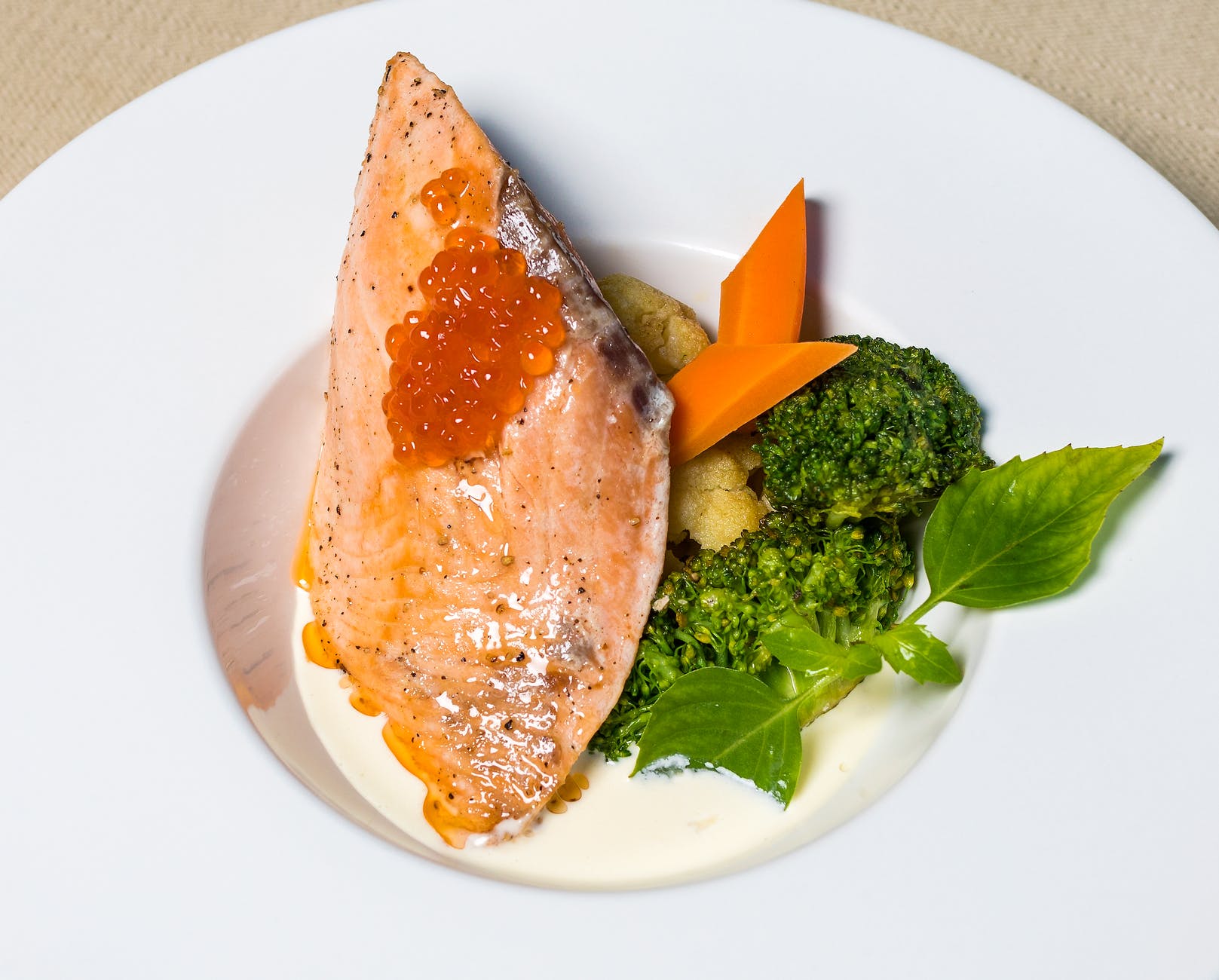
Bright, warming, and full of flavor, this Carrot Lemon Ginger Soup is the perfect blend of sweet, spicy, and citrusy. It’s a simple, wholesome recipe that’s as comforting as it is refreshing — ideal for any season.
Ingredients
2 Tbs grass-fed butter
6 cups chopped carrots
2 yellow onions chopped
2 lemon thyme sprigs (or regular thyme)
4 cups homemade broth
1.5 cups filtered water
2 tsp freshly grated ginger
fresh lemon juice to taste
yogurt or sour cream to garnish if lactose isn’t an issue salt
Carrot Lemon Ginger SoupDirections
Add butter to large pot. saute onions until soft
Add carrots for 5 mins
Add broth and water and bring to boil
Let simmer for 30mins
Add ginger and stir
Let cool and transfer to blender (or use immersion blender)
Add salt and lemon juice to taste
Garnish with yogurt or sour cream if desired
Variation: Use cilantro instead of lemon and ginger. Add a large handful to the soup before blending.
Real Food is simply food in its original form. That means that nothing has been added to it or subtracted from it. It comes in the form that nature created it.
The evolution of our food has disconnected the populous from its source. Many people in today’s world no not from where their food comes.
The organic food movement began as a result of the use of synthetic nitrogen fertilizers and pesticides in the early days of industrial agriculture. http://theorganicsinstitute.com/organic/history-of-the-organic-movement/. Later on, there were people such as Rudolf Steiner who developed biodynamic agriculture, an organic farming method http://www.rudolfsteinerweb.com, Alice Waters, was a pioneer of the organic food movement in the US and the originator of the infamous Chez Panisse Restaurant in Berkeley. Weston A. Price, a dentist in the 1930’s, traveled the world and discovered that indigenous people who consumed only pure nutrient dense traditional foods, were far healthier than the western population www.wapf.com, The slow food movement was also a group evolved in reaction to our changing food economy. http://www.slowfoodusa.org.
These people were lovers of food and knew the difference between real food and man-made synthetic substances. Not only is the taste superior, there are actual biochemical and nutritionally beneficial reasons for the choice to eat real food. Our bodies know the difference and cannot really absorb synthetic vitamins (not recognizable)
Each and every one of our bodily functions are dependent on particular nutrients. In order to sustain good health, the essential nutrients from pure foods are necessary
As the native people of Dr Price’s investigation displayed, a diet rich in what was in the surrounding environment, unspoiled and in its pure form, provided them with all that they needed to be vibrant and healthy. In fact, Dr, Price, was particularly interested in their teeth, and surmised that the problems with the teeth of populations that consumed a “western diet”; deformed dental arches, dental caries, crowded and crooked teeth, were a result of nutritional deficiencies. He also discovered that with the straight and strong teeth came healthy bodies, strong immune systems and healthy minds.
One must realize the connection between organic agriculture, which contributes to growing healthy and sustainable food, and our health. It is a circle. The microorganisms and trace minerals are key to the health of the soil and then in turn the nutrient value of the food. The use of only 2 ingredients in a synthetic fertilizer, reduces most of the essential nutrients that our bodies require. The addition of pesticides and herbicides contributes to the toxic load that our bodies have to deal with.
If we examine the reduction of traditional “homemade” foods in our culture, we see a direct relationship between that and the declining health of the western world. The modern diet in mostly comprised of processed grains made into different products. These products have been stripped of their essential nutrients, Examination of the ingredients listed you will see soy, wheat, sugar, corn and chemicals with names you could not pronounce. It is always best to be able to identify what you are eating.
We have been misled to believe that foods in their natural state are unhealthy and need to be reduced in fats, cholesterol, etc. Meanwhile,. healthy fats contain fat–soluble vitamins which are essential to our body function and necessary for optimal health.
So let’s keep our food they way Mother Nature intended and enjoy the natural flavors the way they were meant to be. No need to reinvent the wheel!
This is where a food processor with the grater attachment comes in handy for making a Detox Salad!
Grate all of the below:
1 apple (preferably green)
2 Carrots
2 Celery stalks
1 Medium Beet
zest of 1 lemon
juice of 1 lemon wedge
Mix together and enjoy your Detox Salad!
Apple – contains malic and tartaric acids which inhibit the growth of ferments and disease-producing bacteria in the digestive tract. Pectin removes bad cholesterol and toxic metals. Cleansing for the liver and beneficial for the gallbladder
Carrot –Improves liver function and stimulates the elimination of wastes. Also eliminates putrefactive bacteria in intestines that cause poor assimilation
Celery – Calms and aggravated liver, improves digestion, purifies the blood, and clears digestive fermentation. Combining celery and lemon has been used in the past as a remedy for colds and headaches
Beet – purifies the blood, aids the liver, moistens the intestines, and helps stop constipation
Lemon – Destroys putrefactive bacteria in both the intestines and mouth, aids in digestion, cleanses the blood
Perhaps you’ve tried a classic sushi boat with salmon fish eggs in your favorite Japanese restaurant. And you found it oh so yummy but didn’t know too much about those reddish cylindrical things on top.
Well, here’s the story. Fish eggs are called caviar or roe depending on what female fish they come from. Perhaps for their higher nutritional value, for their taste, or for cultural reasons, fish eggs from sturgeon (caviar) are valued at $100 an ounce compared with fish eggs from trout, salmon, whitefish, carp, or shellfish (roe), which are sold for approximately $10 an ounce.
Regardless of your cash flow, roe are still great nutritional choices. Here’s why.
Protein
You need protein to build muscle strength, keep your body cells healthy, and deliver energy. One tablespoon of fish eggs provides between two and seven grams of protein. (To determine your necessary daily amount of protein, multiply your body weight times 0.36 grams).
Fats
Fish eggs contain good omega 3’s, which are heart healthy; they have more than anchovies and less than herring and sardines.
Carbs
Fish eggs are low in carbohydrates. They have no significant fiber or sugar.
Here is Where Fish Eggs Shine:
Vitamins & Minerals
They are a good source of vitamin B12, which helps maintain a healthy metabolism and heart. This vitamin is also important for the central nervous system and DNA synthesis.
Fish eggs contain choline, which supports healthy fat and cholesterol transport in your body and supports cognitive function.
They also contain magnesium and selenium. They both combine with proteins in your body to form antioxidants, which protect your cells from damage from free radicals and from infection.
Magnesium is a co-factor in more than 300 enzyme systems that regulate diverse biochemical reactions in the body. Aside from protein synthesis, it regulates muscle and nerve function, blood glucose control, and blood pressure.
Selenium is important for reproduction, thyroid gland function, and DNA production.
In addition, fish eggs also contain other important nutrients, such as sodium, which your body requires to conduct nerve impulses, contract, and relax muscles, and maintain the proper balance of water and minerals.
Phosphorous in fish eggs and creates strong bones and teeth. Vitamin D regulates the absorption of calcium and phosphorous and facilitates normal immune function.
Fish eggs provide vitamin A, which you need for health vision, and immune and organ system health.
Lastly, fish eggs are a good source of vitamin C, which protects your immune system, heart, and eyes.
You can try fish eggs at home on slices of cucumber, on a blini (a small pancake), or on toast. It is recommended that you keep them in the coldest part of your fridge, and discard (if you have any left) after two to three days of opening the container. Also, you may want to use a “pearl” caviar spoon, or a plastic or wood spoon to scoop or eat your fish eggs, as they can pick up a metal taste.